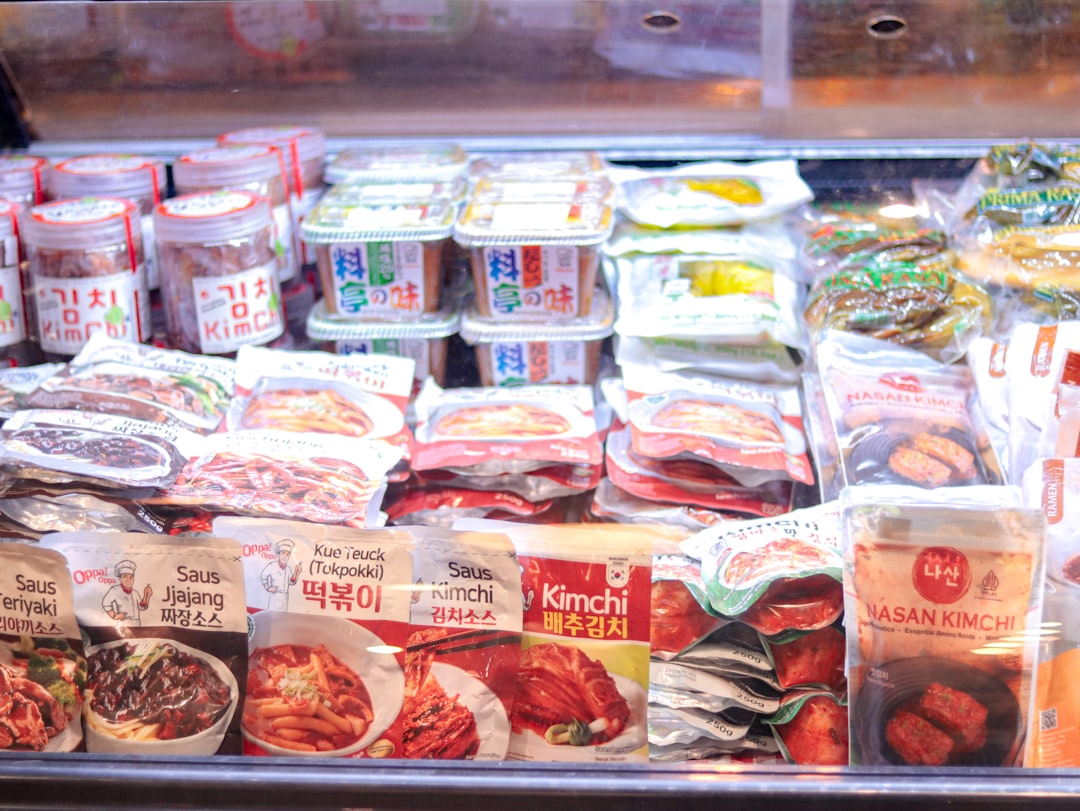
When pork, lamb, and beef prices swing from one week to the next, the smartest response is not to panic-buy the most expensive protein on the shelf. It is to build a flexible meal planning system around cheap proteins that stay useful even when the market gets choppy. This guide gives you a full week of budget menus, practical bulk buying rules, and freezer strategies so you can protect your grocery savings without sacrificing flavor, nutrition, or convenience. If you also like tracking deals before you shop, our guide to where retailers hide discounts when inventory rules change can help you spot markdowns others miss.
Recent meat-market headlines are a reminder of why this matters. Lean hog futures recently showed weaker trade, while the national base hog price moved lower, illustrating how quickly wholesale pressure can ripple into retail pricing. At the same time, news about swine fever risk in Spain has raised concern across global pork supply chains, reinforcing a simple truth: the best budget menus are the ones you can adapt fast. That is exactly where spotting product trends early and using trustworthy price information becomes part of everyday grocery planning.
Pro Tip: The most reliable way to beat meat-price volatility is to buy protein by unit price, not by package size or brand reputation. Then portion, freeze, and rotate it into meals with beans, eggs, dairy, fish, and poultry.
Below, you will find a definitive weekly plan built around affordable proteins, plus a shopping and storage system you can reuse every month. For shoppers comparing stores, product details, and pickup options, pair this plan with discount tracking tactics, coupon-driven product launches, and local availability checks before you commit to a cart.
1) Why meat prices fluctuate, and how shoppers should respond
Wholesale shocks show up at the shelf later, but they do show up
Meat pricing is affected by feed costs, disease risk, export demand, processing capacity, cold storage levels, and transportation expenses. That means the pork or beef you see at the store today may reflect market conditions from weeks earlier. If a futures contract softens this week, retail prices do not always fall immediately, and if supply worries rise, local stores may ration promotions or reduce package sizes before sticker prices change. Shoppers who wait for perfect predictability often end up paying more, especially on center-store cuts that are already premium priced.
This is why budget-smart meal planning should not depend on one favorite meat. A better strategy is to keep a flexible roster of cheap proteins and let price swings work in your favor instead of against you. In practice, that means learning to swap in chicken thighs, eggs, canned tuna, dried lentils, tofu, yogurt, cottage cheese, and beans when pork or beef becomes expensive. The logic is similar to what savvy shoppers use in other volatile categories, like the real cost of shipping surcharges or the importance of better data in decisions: the more information you have, the fewer expensive surprises you face.
Price volatility rewards flexible menus, not rigid recipes
If your weekly plan says “beef tacos” and beef is suddenly 25% more expensive, the plan breaks. If your weekly plan says “protein taco bowls” with a choice of beans, turkey, shredded chicken, or eggs, you still get dinner on the table without blowing the budget. That flexibility also helps you use what is on sale first, which reduces waste and improves your grocery savings over time. In many households, food waste is the hidden cost that quietly cancels out all the effort spent chasing coupons.
Think of meal planning like a control panel, not a script. The menu should tell you the structure of the meal, while the protein choice should be adjustable based on the week’s best value. This approach is especially useful if you shop multiple supermarkets, compare store brands, or combine curbside pickup with a second stop for a sale item. For more on smarter decision-making from pricing signals, see what retail investors and homeowners have in common and how hidden discounts move when inventory rules change.
Use a local-first mindset to check inventory before you leave home
Price is only part of the equation. The best deal is the one you can actually buy in your area today, in the pack size you need, at a pickup window that fits your schedule. Local-first grocery planning means checking product availability, comparing unit prices, and understanding whether a store’s promotion is tied to loyalty membership, digital coupons, or a minimum spend. It also means being realistic about perishability: if you do not have freezer space, the cheapest bulk tray is not always the cheapest choice in practice.
When you browse deals, remember that retailer inventory rules can change quickly. Promotions may be limited to certain neighborhoods, online carts can sell out before pickup time, and markdowns may be hidden in the app rather than on the shelf. That is why a good grocery savings strategy works best when it combines discount hunting with a simple, repeatable weekly plan.
2) The affordable protein playbook: what to buy when meat prices spike
Chicken remains the default bargain protein for many households
Chicken is one of the most versatile low-cost proteins because it is easy to portion, widely available, and adaptable to many cuisines. Bone-in thighs, drumsticks, and whole chickens often deliver better value than boneless breasts, especially when you factor in moisture, flavor, and leftover uses. Whole chicken can become roast dinner, chicken soup, enchilada filling, and sandwich meat from a single buy. If you want a recurring value option, follow the same logic as shoppers who seek dependable promotional products like new product coupons: the best savings usually come from items with strong baseline demand and frequent promotions.
Chicken also freezes well in raw or cooked form. Buy family packs when the unit price is low, then separate them into meal-size portions so you are not forced to thaw more than you need. You can season raw chicken in zip bags, label each bag by recipe type, and freeze flat for easy stacking. This gives you a ready-made library of proteins you can turn into tacos, stir-fries, casseroles, or soups without last-minute shopping.
Eggs, beans, lentils, tofu, and dairy are your volatility buffer
If meat prices jump, household menus should shift some of the protein load to eggs, dry beans, lentils, yogurt, cottage cheese, paneer, and tofu. These foods are usually cheaper per serving, store well, and pair with almost any starch or vegetable already in your pantry. They also improve meal diversity, which matters because a cheap plan that feels repetitive is harder to stick with. For shoppers interested in plant-forward budget tools, our article on plant-based eggs and blood sugar offers a useful lens on swapping proteins intelligently.
Dry beans and lentils are especially strong budget buys because they stretch far beyond the purchase price. A bag of lentils can become soup, curry, salad topping, taco filling, or pasta sauce booster, and they cook faster than many other dried legumes. Eggs are similarly flexible, giving you a fast breakfast, fried rice, shakshuka, frittata, or noodle bowl. The more you treat these as strategic proteins rather than backup foods, the less vulnerable your week becomes to volatile beef, pork, or lamb prices.
Fish, turkey, and mixed-protein meals can lower your average cost
Canned tuna, sardines, salmon, and frozen white fish can be smart buys when store pricing is competitive or there is a sale. Turkey can also outperform beef in value, especially for ground meat applications like chili, pasta sauce, lettuce wraps, and stuffed peppers. The goal is not to eliminate meat entirely; it is to lower your average protein cost across the week. By mixing cheaper animal proteins with legumes and grains, you can keep meals satisfying while reducing your dependence on premium cuts.
As with any comparison shopping, the unit price matters more than the package label. A larger turkey tray may look expensive at checkout, but it may still beat a smaller beef pack on cost per pound. That is the same kind of careful analysis used in other retail categories, from trend spotting to data-driven budgeting. It also helps to compare the cooking yield: some cuts shrink more than others, and a “cheap” cut can become costly once trimmed, cooked, and served.
3) A 7-day budget menu built around cheap proteins
How this weeklong plan is designed
The menu below is built for real-life home cooking: one or two prep sessions, overlapping ingredients, and enough variety to keep leftovers interesting. It assumes you are trying to keep protein costs low while still serving balanced meals with vegetables, grains, and sauces. You can scale it for one person, a couple, or a family by multiplying servings, but the real savings come from reusing ingredients across multiple meals. If you already follow a structured weekly framework, this fits naturally beside a sustainable weekly plan rather than a strict diet.
Seven days of low-cost, protein-focused meals
| Day | Breakfast | Lunch | Dinner | Primary protein |
|---|---|---|---|---|
| Monday | Scrambled eggs with toast and fruit | Lentil soup with bread | Chicken thigh rice bowls with vegetables | Eggs, lentils, chicken |
| Tuesday | Yogurt with oats and peanut butter | Leftover chicken rice bowl | Turkey chili with beans | Yogurt, turkey, beans |
| Wednesday | Vegetable omelet | Turkey chili leftovers | Tofu stir-fry with noodles | Eggs, turkey, tofu |
| Thursday | Overnight oats with seeds | Tuna salad sandwiches | Bean and cheese quesadillas with salsa | Tuna, beans, cheese |
| Friday | Cottage cheese and fruit | Leftover bean quesadilla or soup | Baked drumsticks with potatoes and carrots | Cottage cheese, chicken |
| Saturday | Egg muffins or breakfast burritos | Chicken salad wraps | Lentil curry with rice | Eggs, chicken, lentils |
| Sunday | Toast with peanut butter and banana | Mixed leftovers bowl | Sheet-pan tofu or fish with vegetables | Peanut butter, tofu, fish |
This plan keeps protein recurring without making dinner feel repetitive. Monday and Friday anchor the week with chicken, Tuesday and Wednesday shift some of the load to turkey, tofu, and beans, and Thursday and Sunday move into pantry and freezer proteins. The result is a lower average cost per meal, fewer emergency store runs, and less pressure to buy whatever pork or beef happens to be on display at full price.
Real-world meal-swapping examples
Suppose beef is on sale but still expensive enough to strain the budget. Instead of buying enough for a full week, use a small amount in one “flavor meal” like a stir-fry or pasta sauce, then build the rest of the week around chicken, eggs, and legumes. Or suppose pork is unusually pricey because supply conditions tighten. Swap breakfast sausage for egg muffins, pork chops for chicken thighs, and carnitas bowls for pulled chicken or black bean bowls. You still get familiar meal formats, but the cost structure changes in your favor.
This is where a flexible meal plan outperforms a rigid recipe list. You preserve the form of the meal—taco night, curry night, soup night—while changing the most expensive ingredient. That tactic mirrors how savvy shoppers navigate retailer pricing shifts, much like the consumer strategies covered in hidden discount behavior and coupon-led launches.
4) Bulk buying without waste: the rules that actually save money
Buy in bulk only when the unit price and storage plan both make sense
Bulk buying is a savings tool, not a personality trait. The first question is whether the unit price is meaningfully lower than smaller packages, and the second question is whether you can store and use the food before quality declines. If the answer to either is no, the “deal” is probably an illusion. This matters especially for proteins, which can become expensive mistakes when freezer space is limited or meal plans are inconsistent.
To make bulk buying work, use a simple rule: if a protein can be split into at least four meals or frozen in useful portions, it is a candidate. Whole chickens, family packs of thighs, bulk turkey, ground chicken, and big tubs of yogurt often fit this rule. Items with no clear portioning strategy, like oversized fresh seafood trays or specialty marinated meats, deserve extra caution. The same disciplined approach shows up in smart sourcing decisions across industries, including traceability and supply chain lessons.
How to freeze proteins for maximum savings
Freezing works best when you portion before the food goes into the freezer. Divide ground turkey into one-pound packs, separate chicken thighs by recipe, and flatten bags so they freeze quickly and stack neatly. Label each pack with the protein type, weight, date, and intended meal. If you cook in batches, freeze sauces and cooked meat separately so you can combine them later with fresh vegetables or grains.
Use the “first in, first out” method so older food is used first. Keep an inventory list on your fridge or in your phone, and cross items off as you cook them. A freezer that functions like a pantry can save real money, but only if you treat it as a rotating stockroom rather than a mystery bin. For more systematic home maintenance habits that prevent wasteful costs, see appliance maintenance tasks that prevent expensive repairs.
Best proteins to buy in bulk, and which to avoid
Best bulk candidates usually include chicken thighs, drumsticks, whole chickens, ground turkey, ground chicken, block tofu, shredded cheese, eggs when priced well, dried beans, lentils, and canned fish on promotion. These foods freeze or store well and can be broken into practical servings. Be more cautious with large trays of beef or pork if you do not already have a meal plan ready, because those proteins are more expensive per pound in many markets and are easier to waste when left in the fridge too long.
Also remember that bulk buying should fit your real consumption habits. A family of four may save a lot from a 10-pound chicken leg box, while a single shopper could lose money if half the pack gets freezer burn. If you want better long-term planning habits, the same logic used in capacity planning and structured audits applies at home: know your demand before you stock up.
5) Smart grocery list strategy: how to shop the plan efficiently
Build the cart around overlapping ingredients
The cheapest weekly menu is usually the one that reuses ingredients across breakfast, lunch, and dinner. Oats, rice, tortillas, onions, garlic, carrots, potatoes, yogurt, eggs, and cabbage can appear in multiple meals without feeling monotonous if you change the seasonings and textures. If you shop this way, you spend less on specialty ingredients and reduce half-used perishables at the end of the week. You also make it easier to compare baskets across supermarkets because the core list remains stable.
For example, one onion can flavor soup, chili, and rice bowls. A single bag of carrots can support snack trays, roasts, and curry. A dozen eggs can serve breakfast, fried rice, and dinner. This is exactly the kind of practical planning that turns a budget menu into a repeatable system instead of a one-off experiment.
Use store brands and loyalty pricing where the quality is acceptable
Store brands often offer the best value on staples such as canned beans, frozen vegetables, yogurt, pasta, rice, and shredded cheese. When the difference in quality is small, the savings can be meaningful over a full month. Loyalty pricing matters too, but only if the purchase aligns with your actual meal plan. A discounted protein is not a bargain if it forces you to build extra meals or buy ingredients you do not need.
If you are comparing store apps, look for personalized coupons, pickup-only discounts, and limited-time markdowns on near-expiry proteins that you can freeze immediately. For shoppers who want to understand how retailers deploy promotions, new product coupon strategies and inventory-driven discount behavior can help you shop more strategically.
Use a two-store strategy only when the savings are real
It can make sense to split your shopping between a supermarket and a warehouse club, or between one store with strong meat deals and another with better produce and pantry pricing. But the savings need to exceed the cost of extra driving, time, and impulse spending. A good rule is to reserve multi-store shopping for high-value proteins, large-format staples, and deep sales that can be frozen. Otherwise, convenience may be the better bargain.
Many shoppers underestimate the hidden cost of extra stops. The more stores you visit, the more likely you are to add unplanned items or miss the ideal pickup window. The most effective strategy is often a main store for routine purchases and a second store only when a specific protein sale justifies the detour.
6) Freezer meal systems that lock in savings
Batch cook once, eat twice or three times
Freezer meals are not only for busy weeks; they are one of the best ways to preserve savings when meat prices rise. Cook a large batch of chili, soup, shredded chicken, or turkey sauce, then freeze in meal-size containers. The savings come from buying ingredients when they are cheap and converting them into ready-to-heat meals before you are tempted by takeout. That also reduces the chance that raw meat will spoil before you have time to use it.
A good freezer-meal rotation might include turkey chili, chicken enchilada filling, lentil curry, soup with shredded chicken, and bean-and-cheese burritos. These meals reheat well and pair with rice, bread, tortillas, or salad depending on what is already in the house. If you want a broader systems approach to home efficiency, the mindset is similar to the one in preventive appliance care: a little organization up front prevents expensive waste later.
Freeze sauces, not just proteins
Sauce is what keeps freezer food from tasting like leftovers. Tomato-based sauces, curry bases, stir-fry sauces, enchilada sauce, and gravy all freeze well and make inexpensive proteins feel more complete. If you freeze shredded chicken without a sauce plan, it is easy to get bored and reach for a more expensive convenience meal. If you freeze chicken plus salsa verde, or turkey plus marinara, dinner becomes fast and satisfying.
This also creates meal flexibility. One protein can become multiple different meals depending on the sauce, spice blend, or starch you pair it with. That is ideal when prices are moving quickly because you can buy protein in volume without locking yourself into one flavor profile for the whole week.
Use the freezer as a hedge against market swings
Think of your freezer as a hedge account for groceries. When chicken, turkey, canned fish, or even a reasonable pork sale appears, you buy enough to support future meals, not just today’s dinner. That buffers your household against the next spike in meat prices and lets you shop from a position of strength instead of urgency. The technique is especially helpful when holiday demand, weather events, or disease risk makes supply feel unstable.
Of course, a freezer only helps if you know what is inside it. Keep a running inventory and match it against your meal plan before you shop. If you are trying to stretch the same dollars across a month, this one habit can save more than trying to chase the lowest sticker price on every trip.
7) Budget math: where the real savings usually come from
Cost per serving matters more than price per package
Shoppers often focus on the visible package price and ignore serving count, cooking loss, and the other ingredients needed to complete the meal. A cheaper tray of meat is not always cheaper once you account for shrinkage, trimming, and the cost of sides. By contrast, a lower-cost protein like beans or lentils may produce more complete servings with fewer expensive add-ons. The smartest budget menus are built on servings, not labels.
For example, a $12 family pack of chicken thighs may look pricier than a $9 pork pack, but if the chicken generates more usable portions, freezes better, and requires fewer waste-prone extra purchases, it may actually deliver the better value. The same principle applies to eggs, yogurt, tofu, and tuna: you want the best cost per meal, not simply the cheapest item on the shelf. This is why data-minded shoppers rely on methods similar to those discussed in better decision-making through data.
Average out your protein spend across the full week
Instead of asking, “What is the cheapest meat today?” ask, “What is my average protein cost for the week?” That question changes how you shop. If one dinner uses a more expensive item but the rest of the week leans on beans, eggs, tofu, and chicken, your average spend can stay low. This is the same reason a good weekly plan often beats random coupon hunting: it lets you allocate savings with intention.
A practical target for many households is to keep at least half of weekly protein servings coming from low-cost sources like eggs, legumes, dairy, canned fish, tofu, or chicken sale items. The exact number depends on family size, dietary preferences, and local prices, but the concept is powerful. Once you start measuring the whole week, you stop overpaying for every individual meal.
Don’t overlook non-meat protein snacks and breakfasts
Breakfast is one of the easiest places to lower protein costs because eggs, yogurt, cottage cheese, and peanut butter are often far cheaper than breakfast meats. Snacks can also be strategic: roasted chickpeas, yogurt bowls, cheese and crackers, or hard-boiled eggs can reduce the need for expensive convenience foods. Those smaller meals matter because they shape how much protein you need at lunch and dinner. When breakfast is protein-rich, you are less likely to overbuy costly dinner meat just to feel full later.
For households trying to stay on budget without feeling deprived, this is a major opportunity. A few smart breakfast routines can shave meaningful dollars from the week while improving consistency and reducing last-minute takeout.
8) Shopping execution: how to turn the plan into a reliable weekly routine
Start with the sale paper, then build the menu
The fastest way to save money is to build your menu around the proteins actually discounted in your area. Check weekly ads, digital flyers, pickup app specials, and loyalty coupons before you finalize the meal plan. If chicken thighs are cheap, center the week around them. If turkey is the best ground meat deal, pivot to chili, pasta sauce, and stuffed vegetables. If no meat category looks attractive, lean harder on beans, eggs, tofu, tuna, and dairy until pricing improves.
This is the opposite of shopping from habit. Instead of deciding the menu first and then paying whatever the store asks, you decide the budget framework first and let the market fill in the details. That habit creates resilience when meat prices are volatile and gives you better control over what enters your cart.
Use a meal-prep day to reduce weeknight decision fatigue
One of the hidden benefits of meal planning is that it reduces the number of decisions you make when you are tired. Spend an hour or two on a prep day washing produce, cooking grains, portioning proteins, and making one or two sauces. You do not need a full Sunday marathon; even modest prep makes weeknight cooking faster and cheaper. The less friction there is, the less likely you are to order expensive delivery or buy convenience meals that wreck the budget.
If you want to improve your grocery discipline even further, think in terms of workflows. Just as people use automation to reduce routine work, a repeatable kitchen workflow can make budget eating feel almost automatic.
Track what actually gets eaten, not what sounded good on paper
At the end of the week, note which proteins were used fully, which meals produced leftovers, and which items lingered. That feedback loop is what turns a good plan into a better one. Maybe your family eats chicken twice a week but ignores tuna salad unless it is turned into wraps. Maybe lentil curry disappears instantly while tofu stir-fry needs a stronger sauce. These insights help you spend more wisely next week.
If you shop with a partner or family, make the review simple: what was cheapest, what was liked, what was wasted, and what should be repeated. Over time, your grocery savings become more predictable because you are learning your household’s actual preferences instead of guessing.
9) Grocery savings habits that compound over time
Use leftovers strategically, not desperately
Leftovers should be part of the plan, not an afterthought. Cooked chicken can become tacos, soup, or a rice bowl. Chili can become nachos or stuffed baked potatoes. Lentils can be mixed into pasta sauce, and extra rice can become fried rice with eggs and vegetables. When leftovers have a planned second life, they stop feeling like “old food” and start functioning like a built-in budget tool.
This is also how you protect your time. A household that knows how to repurpose cooked proteins typically spends less on lunches and fewer emergency dinners. That gives the weekly plan staying power, which is essential when meat prices fluctuate or a store’s pickup windows are limited.
Keep a rolling list of lowest-cost proteins by store
Prices vary by neighborhood, banner, and season, so build your own local cheat sheet. Track which nearby supermarkets reliably discount chicken thighs, which one has the best eggs, which store’s tofu is cheapest, and where the best bulk bins are located. Over time, you will know where to go first when a certain protein category spikes. That local knowledge is often worth more than a generic coupon code.
This is similar to how experienced shoppers use market signals in other sectors: they watch patterns, not just headlines. If you want more perspective on trend monitoring and local retailer behavior, see spotting product trends early and where retailers hide discounts.
Remember that a great budget plan is repeatable
The best grocery budget is not a one-week miracle. It is a plan you can repeat when meat prices spike, when your freezer is half full, and when you have only 30 minutes to shop. If your system depends on perfect sale timing or a five-stop shopping route, it will eventually break. If it depends on flexible proteins, standardized meals, and freezer rotation, it can keep working even in a volatile market.
That repeatability is what makes meal planning so valuable. Once you know your core breakfasts, lunches, and dinners, you can adapt around price changes without rebuilding your routine from scratch. And that is how cheap proteins become a long-term grocery strategy instead of a temporary fix.
10) Final takeaway: your weekly plan should beat the market, not follow it
Volatile meat prices do not have to derail your grocery budget. By centering your week on cheap proteins like chicken thighs, eggs, beans, lentils, tofu, yogurt, tuna, and turkey, you can reduce dependence on pricey pork, lamb, and beef while still eating well. Add bulk buying only when it fits your storage plan, freeze in portions, and keep sauces and leftovers moving through the system. When you combine those habits with local deal tracking and store comparison, you create a durable budget menu that survives market swings.
Start small if you need to. Pick one chicken sale, one bean-based meal, and one freezer batch recipe this week. Then add an inventory list and a unit-price habit next week. Those small changes compound quickly, and they are the difference between reacting to price spikes and controlling your grocery spend. For more shopping strategy, explore our guide to hidden discounts, the basics of weekly meal planning, and practical ways to turn store promotions into real savings.
Bottom line: The cheapest protein is the one you can buy at the right time, portion correctly, and use in several meals without waste.
Frequently Asked Questions
What are the cheapest proteins to build a weekly meal plan around?
For most shoppers, the best budget proteins are eggs, dried beans, lentils, chicken thighs, drumsticks, whole chicken, tofu, yogurt, cottage cheese, canned tuna, and ground turkey when it is on sale. The best choice depends on your local prices, but these options tend to be flexible, filling, and easy to stretch across multiple meals. The real savings come from combining them with grains and vegetables rather than relying on expensive cuts every night.
How do I know if bulk buying meat is actually worth it?
Check the unit price first, then compare it with the amount you can realistically freeze and use before quality drops. Bulk meat is only worth it if you have the freezer space, a plan for portioning, and enough meals scheduled to use it. If any of those are missing, the lower sticker price may not translate into actual savings.
What are the best freezer meals for saving money?
Good freezer meals include chili, shredded chicken with sauce, turkey pasta sauce, lentil curry, soup, breakfast burritos, and bean-and-cheese wraps. These meals reheat well and can be paired with rice, bread, or tortillas to make them more filling. The best freezer meals use affordable proteins and ingredients you already buy regularly.
How can I keep meals interesting if I stop relying on beef and pork?
Use sauces, seasonings, and cooking methods to create variety instead of changing proteins every day. A chicken thigh can become stir-fry, tacos, soup, curry, or sheet-pan dinner depending on the flavor profile. When you rotate cuisines—Mexican, Mediterranean, Asian-inspired, or comfort-food classics—the same inexpensive protein can feel new across the week.
Should I shop at multiple stores to find the best protein deals?
Sometimes, but only if the savings are meaningful enough to justify the extra time and travel. A two-store strategy makes sense for large protein buys or especially strong promotions, but for ordinary weekly shopping, convenience often beats marginal savings. The best approach is usually one main store plus a second stop only when a specific sale justifies it.
What is the simplest way to start meal planning on a tight budget?
Start with three repeating dinners, two breakfast options, and one lunch that uses leftovers. Then build your shopping list around whichever affordable proteins are on sale that week. Keep the plan flexible enough to swap chicken, eggs, beans, tofu, or turkey without changing the structure of the meals.
Related Reading
- How Chomps Used Retail Media to Launch Chicken Sticks — And How You Can Leverage New Product Coupons - Learn how promotions can help you spot protein bargains faster.
- Where Retailers Hide Discounts When Inventory Rules Change: A Shopper’s Field Guide - Find hidden markdowns that make weekly meal planning cheaper.
- Keto Meal Planning 101: Build a Sustainable Weekly Plan for Real Life - A structured approach to building repeatable weekly menus.
- The Most Overlooked Appliance Maintenance Tasks That Prevent Expensive Repairs - Keep your freezer and kitchen equipment working efficiently.
- Spotting Product Trends Early: How Local Retailers Can Mine Global Forecasts for Niche Opportunities - See how price and inventory patterns can improve local shopping decisions.