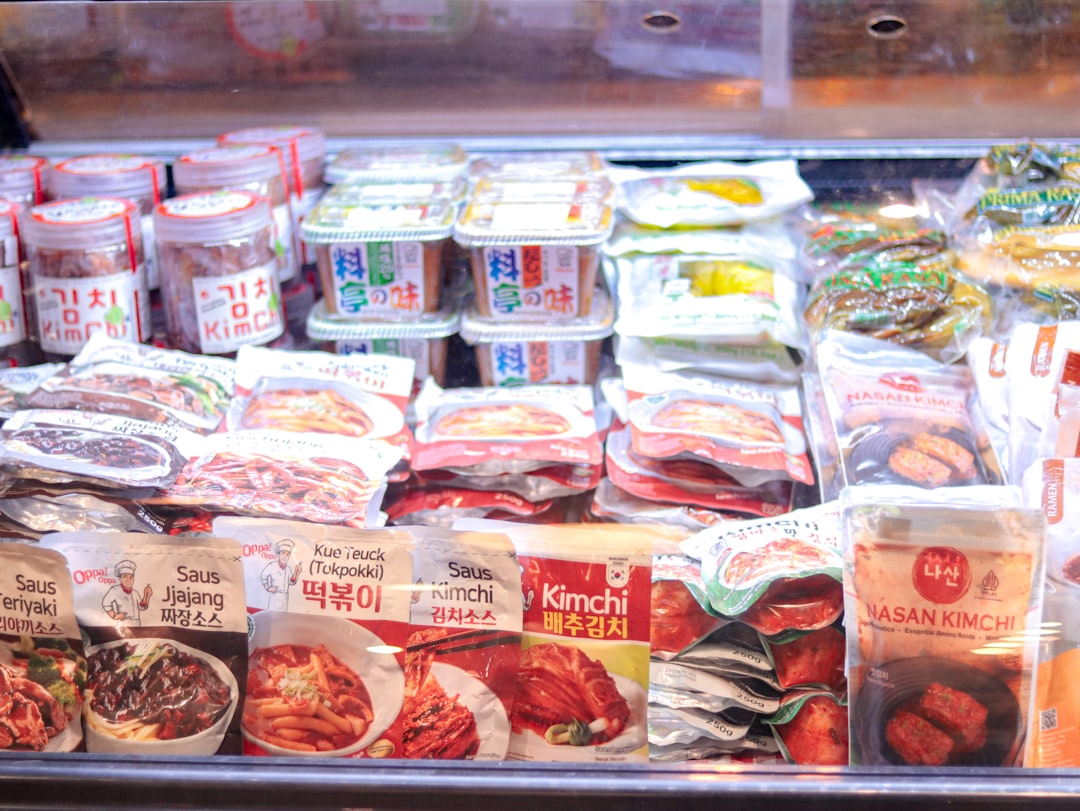
When tariffs shift, grocery prices rarely move in a straight line. Some imported foods get more expensive quickly, while local products may become stronger value choices because supply chains are shorter and less exposed to border costs. But “buy local” is not automatically cheaper, and “imported food” is not automatically a splurge. The smartest shoppers use better decisions through better data, compare unit prices, and buy based on seasonality, quality, and the real cost of replacement. This guide shows you how to make value-focused choices in a market where tariff impact, freight costs, and supermarket sourcing can change week by week.
For grocery shoppers, the question is practical: should you buy local or imported this week? The answer depends on category, season, store format, and how quickly a tariff change passes through the shelf price. In some categories, imported goods stay competitive because exporters absorb part of the cost or retailers use promotions to defend market share. In others, local growers, processors, or regional brands can offer better value choices because they avoid the longest and most volatile links in the supply chain. For a broader view of how retailers manage supply disruptions, see our guide on how procurement teams adjust purchasing and inventory plans.
Pro Tip: Do not compare “apples to apples” by sticker price alone. Compare unit price, edible yield, storage life, and how much waste each option creates at home.
1) What Changes First When Tariffs Move?
Retail shelves react unevenly, not instantly
Tariff changes do not hit every item at the same speed. Shelf-stable products with long import lead times may hold steady for several weeks because retailers already have inventory on hand. Fresh products can react faster if importers must replenish quickly or if customs costs rise during a tight season. In practice, you may see a promotional lag: one store still discounts imported items to clear old stock while another has already repriced the same category.
This is why price comparison matters so much during trade-rule changes. If you track only the headline price, you may miss the better deal hidden in a nearby store, a different package size, or a private-label substitute. A smart shopper behaves a lot like an analyst studying market noise: they separate short-term shelf movement from long-term value. For a mindset on searching for stronger sourcing options, take a look at lessons in sourcing quality locally.
Not every tariff increase reaches the consumer at the same rate
Some of the cost is absorbed upstream by importers, distributors, or retailers. Some is offset by currency shifts, supplier rebates, or temporary promotions. That means a tariff impact on paper may not equal a 10% jump in your basket. But when categories are highly concentrated—coffee, chocolate, cheese, olive oil, tropical fruit, or specialty pantry staples—cost pressure can become visible quickly because there are fewer local substitutes.
The BBC’s reporting on the high cost of orange juice reflects a broader grocery truth: a single staple can become a case study in climate pressure, crop shortages, logistics costs, and retail markups all at once. If you’re evaluating staples like juice, butter, coffee, and milk, the question is not simply “local or imported?” It’s “where is the chain most vulnerable, and what substitution gives me the best value?” For a deeper look at how a grocery item can tell the story of inflation, compare that with our data-driven approach to separating hype from real performance differences.
Imported does not always mean premium, and local does not always mean fresh
A common shopping myth is that imported foods are always higher quality. In reality, quality depends on harvest timing, cold-chain handling, packaging, and how long the item sits in transit. Likewise, local products can arrive through longer regional distribution networks than many consumers expect, especially when the item is processed in one state, warehoused in another, and shipped to a supermarket hundreds of miles away. The label tells you origin, but not the full journey.
That’s why shoppers need a value framework, not a slogan. If a local tomato is picked at peak ripeness, it can beat an imported tomato in both flavor and waste reduction. If the local option is out of season and grown in costly heated greenhouses, an imported alternative may actually be the better deal. Budget shopping works best when you think in terms of total usable value, not ideology.
2) How to Compare Local vs Imported Products the Right Way
Start with unit price, then adjust for yield
The first step in price comparison is unit price—price per ounce, pound, liter, or count. But unit price alone still misses yield. A bulk bag of potatoes may have a lower unit price than a smaller local bag, but if the bulk bag contains more bruised or sprouted pieces, the savings disappear. The same is true for imported fruit that looks cheap but has higher spoilage by day three.
Use a simple rule: calculate cost per usable serving. For example, if a local spinach bunch costs more than an imported clamshell but delivers fewer wilted leaves, the “expensive” option may be cheaper in practice. This is one reason supermarkets emphasize sourcing and freshness claims—because shoppers increasingly want trustworthy product information that supports a real value decision.
Look at storage life and frequency of use
High-turnover staples behave differently from specialty treats. If you use a product every week and it stores well, buying the better-priced imported option in a larger pack may save money. If you use the item occasionally, a local option may be better because you can buy smaller quantities and reduce waste. This logic matters most for cheese, nuts, sauces, dried fruit, frozen seafood, and bakery items.
For inventory-sensitive shoppers, think like a household procurement manager. You want enough supply to bridge a week of price spikes without overbuying perishables that spoil before use. That approach mirrors the planning methods described in always-on inventory and maintenance planning, where the goal is resilience without excess.
Use promotions strategically, not emotionally
When tariff changes make one category more expensive, stores often compensate with promotions elsewhere. That can create misleading basket behavior: you save $2 on a discounted imported pasta sauce but overpay on fresh produce because you ignored the produce aisle. The winning move is to build a meal plan around the week’s strongest offers, then choose local or imported ingredients based on the dish’s purpose. If you need a fast framework for promotional timing, the logic in deal season signals applies surprisingly well to grocery shopping.
| Category | Often Better Local | Often Better Imported | What to Check |
|---|---|---|---|
| Leafy greens | Peak season, same-day harvest | Off-season imports with strong cold chain | Wilt, bag moisture, date packed |
| Citrus and juice | Regional season supply | Large-volume imports when local crop is tight | Concentrate vs not-from-concentrate, sugar content |
| Coffee and tea | Rarely local unless roasted locally | Usually imported; compare roast date | Roast date, bean origin, freshness |
| Cheese and dairy | Fresh regional brands often win | Specialty imports for unique styles | Fat content, aging, shelf life |
| Tomatoes and berries | In-season local usually best value | Off-season imports can be cheaper | Flavor, firmness, spoilage risk |
| Pantry sauces and grains | Private-label local/regional | Imported specialty brands | Per-serving cost, ingredients, origin |
3) The Seasonality Factor: When Local Wins on Price and Taste
Seasonality is the strongest local advantage
Seasonal shopping is the easiest way to save money while buying local. When a fruit or vegetable is in peak harvest, supply is abundant and transportation distances are shorter, which usually improves both price and flavor. That’s why strawberries in season, summer tomatoes, local apples in autumn, and regional greens in cool months often outperform imported alternatives. The quality gap can be large enough that even a modest price premium is justified.
Seasonality also reduces waste. Fresh produce that spends fewer days in transit has more time left in your refrigerator, which means fewer slimy greens and less produce tossing at the end of the week. If your household wants a practical, budget-minded rhythm through the year, the same logic used in our seasonal layering guide applies: rotate what you use based on the season instead of trying to force one setup all year.
When off-season imports can still be the smarter buy
Out of season, local does not automatically mean value. A greenhouse-grown local berry or tomato may cost far more than an imported option flown or shipped in from a region currently in peak harvest. The key is to ask whether the local product is “forced” by production costs. If yes, imported food may deliver the better deal even after tariffs, especially if the item is used as an ingredient rather than eaten fresh.
This is where a shopper’s mindset matters. If you need tomatoes for a salsa or stew, flavor and cooking performance are more important than the romance of local sourcing. If you need tomatoes for a caprese salad, firmness and taste matter more than a one-dollar savings. The best budget shopping decision is the one that fits the dish, not the slogan on the package.
Build a seasonal shopping calendar
A seasonal calendar helps you shift buying habits before prices spike. In spring, focus on tender greens, herbs, and early vegetables. In summer, buy berries, stone fruit, tomatoes, cucumbers, and sweet corn where local harvest is strongest. In autumn, lean into apples, squash, root vegetables, and storage crops. In winter, use frozen produce, canned goods, and long-storing local staples to avoid paying peak off-season prices.
If your grocery app or local marketplace shows store-specific availability, use it to create weekly alternates. That approach aligns with market research best practices: gather a small sample, compare options, and buy based on a pattern, not a single data point. Over time, this will reveal which local products are consistently good value and which imported products outperform them on cost.
4) Where Imported Food Still Makes Financial Sense
Some categories are structurally global
Many grocery items cannot be meaningfully “local” in the consumer sense. Coffee, cocoa, bananas, many teas, tropical fruit, spices, and certain seafood items are globally sourced because climate and farming conditions determine where they grow best. For these categories, buying imported food is not a compromise; it’s the normal supply structure. The value question becomes whether the imported product is fair-priced, fresh, and well handled.
Imported categories can also offer price stability when local production is weather-sensitive. If a drought, freeze, or crop disease hits a domestic supply chain, imports can prevent shortages. That is one reason supermarket sourcing is a balancing act rather than a slogan. The smartest stores combine local and global suppliers to reduce risk and preserve choice.
Imported can be cheaper in bulk and in processed form
Imported processed goods sometimes cost less because large-scale manufacturing lowers per-unit costs. Pasta, canned tomatoes, biscuits, frozen shrimp, spices, and shelf-stable snacks may all be strong value choices when imported from efficient producers. Tariffs can narrow the gap, but they don’t always erase scale advantages. A flat tariff may still leave a high-volume imported brand cheaper than a local niche brand with lower throughput.
If you are comparing pantry staples, focus on serving cost. A slightly higher shelf price may still translate to better value if the imported pack is denser, more stable, or more flavorful per meal. That’s the same kind of analysis used in dynamic pricing frameworks: you do not win by chasing the cheapest sticker, but by understanding the margin between price and perceived value.
Imported quality can be superior when freshness depends on origin
Some foods are at their best only when grown, processed, or aged in a specific place. Olive oil from a known origin, cheese from a traditional region, and specialty grains can justify import pricing because the product itself is tied to geography and method. If a local substitute lacks the same flavor, texture, or performance, the cheaper price may be false economy.
For shoppers who care about consistency, imported brands can also be more predictable. A familiar pasta or rice variety may cook the same way every time, which reduces meal failure and food waste. That consistency matters for busy households, just like standardized systems matter in integrated operations for small teams: predictable inputs create better outcomes.
5) How Tariff Impact Shows Up in the Real Grocery Basket
Watch the categories that transmit cost fastest
Tariff impact usually appears first in categories with low substitution, fast turnover, or fragile logistics. Imported coffee, chocolate, fresh fruit, olive oil, butter, specialty cheeses, and certain seafood items are common pressure points. When those costs rise, shoppers often switch to private label, local alternatives, or a different form of the same food, such as frozen instead of fresh. This is why “buy local” campaigns gain traction during trade-rule changes: they offer a visible escape hatch when imported costs climb.
But that escape hatch can be limited if local supply is also constrained by weather, season, or labor costs. The orange juice example is useful because it shows how a staple can be squeezed by multiple forces at once: crop conditions, processing costs, packaging, fuel, and retailer pricing strategy. In other words, a tariff can be part of the story without being the whole story.
Expect substitution, not just inflation
When shoppers see prices rise, they do not only pay more; they change behavior. They buy smaller packs, switch brands, choose frozen over fresh, or move from branded imports to regional private label. Retailers know this and often adjust assortments to protect basket size. That means the “best deal” may be a substitute that was not your first choice a month ago.
If you want to keep control of your food budget, build a substitution map before prices rise. Decide which items you can trade down on and which you won’t compromise on. For example, you may accept local store-brand yogurt but insist on imported coffee for taste consistency. That kind of list prevents panic shopping and keeps your spending aligned with priorities.
Use a simple tariff-response checklist
When prices jump, ask four questions: Is the item seasonal or off-season? Is there a local substitute with comparable quality? Is the imported version part of a global category with no good local equivalent? And what is the per-serving value after waste and storage? These questions help you stay rational when shelves and headlines are noisy.
Think of it as the grocery equivalent of a stress test. If an item fails the test—too expensive, too perishable, or too replaceable—move on. If it passes, stock up modestly. That discipline is useful in everything from supermarket sourcing to household budgeting, especially when promotions and supply rules are changing at the same time.
6) Price Comparison Strategies That Actually Save Money
Compare nearby stores, not just categories
Local vs imported is only one layer. The same imported product can have different prices at a discount chain, a premium supermarket, and an online marketplace with pickup. That is why shoppers should compare by store type as well as origin. A local brand might be cheapest at a regional grocer, while an imported brand may be discounted at a warehouse club or online flash sale equivalent.
When you compare stores, include trip cost and convenience. A lower shelf price does not help if you burn time and fuel chasing it. The most practical deals are the ones you can reliably access with a delivery slot or a pickup window that fits your schedule. For an example of how timing and deal windows influence consumer behavior, see flash-deal timing strategies.
Track a small basket over four weeks
Choose 8 to 12 items you buy regularly—milk, eggs, produce, coffee, rice, pasta, yogurt, and one or two specialty products. Record whether each one is local, imported, or interchangeable, and log the unit price weekly. After four weeks, patterns emerge: some imported items will be volatile, while certain local products will hold steady or even decline when in season. That gives you a data-backed shopping system instead of a gut-feel approach.
You can do this in a notes app or a spreadsheet, and it does not need to be complicated. The point is to discover which categories deserve attention and which can be bought automatically when on sale. This is also where supermarket content hubs can help, especially if they aggregate weekly deals, product details, and nearby availability in one place.
Build a “good enough” pantry strategy
Some products should be bought when the price is right, not when you run out. Shelf-stable imports like canned beans, rice, pasta, sauces, and cooking oils can be purchased in moderate backup quantities if the price is attractive. Meanwhile, local perishables should be bought more frequently and in smaller amounts to prevent waste. The goal is not to hoard; it is to smooth out price spikes without filling your kitchen with product that expires before use.
That mindset is similar to tracking and managing returns like a pro: knowing what you have, what is usable, and what needs action keeps costs under control. In grocery terms, it means you’re not just buying food—you’re managing household inventory.
7) A Practical Value Checklist for Buy Local vs Imported
Use this checklist before you add the item to your cart
Before you decide, run the product through a quick value test. First, ask if the item is in season locally. Second, compare unit prices across local and imported options. Third, check edible yield, freshness, and shelf life. Fourth, assess whether the item is essential to the recipe or easy to substitute. Finally, consider whether a promotion, coupon, or store-brand version changes the equation.
If the answer favors local on freshness, waste, and price, buy local. If the imported option wins on cost per serving, consistency, or availability, buy imported. This is what budget shopping looks like in a tariff-sensitive market: flexible, not ideological. If you like structured comparisons, our price comparison guide uses a similar framework for another major household expense.
When to choose local
Choose local when the product is seasonal, highly perishable, close in price to imports, or likely to taste better fresh. Also choose local when you want to support regional farmers or when you’re buying items that travel poorly, such as delicate greens, berries, or bakery goods. Local can be especially smart for quick meals because freshness reduces prep time and waste.
In many households, local is the best value not because it is the cheapest, but because it delivers the most usable food for the money. That distinction is critical. A product that lasts longer, tastes better, and is used more fully can beat a lower sticker price every time.
When to choose imported
Choose imported when the category is inherently global, when the imported product is in peak season elsewhere, or when the local substitute is noticeably worse on quality or cost. Imported can also be the best choice for pantry staples that are identical in function and competitive in price. If you regularly cook international dishes, imported ingredients may be essential for the right flavor profile.
There is also a convenience argument. A consistently stocked imported product can save you from multiple store trips if local supply is erratic. That matters for busy shoppers, especially when pickup and delivery slots are limited. Convenience is part of value, not a bonus.
8) Decision Tree: A Shopper’s Quick Rulebook
Follow the fastest path to a smart choice
If it is in season locally, start there. If it is not in season locally, compare the imported version against frozen, canned, or private-label alternatives. If the item is a specialty global product, focus on freshness, brand reliability, and unit price rather than origin rhetoric. If the item is highly perishable and you will not use it quickly, choose the option with the lowest waste risk.
If a tariff makes a product jump sharply, do not immediately abandon it. Check whether the increase is temporary, promotional, or limited to one store. Then compare a nearby retailer, an online marketplace, or a pickup order before you assume the new price is permanent. Smart shoppers act like analysts—not because they enjoy spreadsheets, but because the savings are real.
What to do when both options are expensive
Sometimes both local and imported versions cost more than you want. In that case, the best move is to switch format: fresh to frozen, branded to store-brand, large pack to smaller pack, or whole ingredient to partially prepared ingredient. You can also use recipes that stretch the item across more servings, such as soups, stir-fries, grain bowls, and casseroles. The objective is not to win every aisle; it is to keep your basket affordable overall.
This is where recipes and deal browsing intersect. If your store is promoting certain seasonal ingredients, build meals around those ingredients rather than forcing a fixed shopping list. That is how households keep food costs under control without feeling deprived.
Make your own value scorecard
Give each option a score from 1 to 5 on price, freshness, shelf life, waste, and convenience. Then total the score and choose the higher-value option, not the lower sticker price. Over time, your scorecard will reflect your real habits, your family’s tastes, and your nearest stores’ actual sourcing patterns. A product that looks expensive in one week may become a bargain in another, especially when seasonal supply changes.
For shoppers who want a quick mental shortcut: buy local for freshness and seasonality, buy imported for global essentials and consistent pantry value, and always let unit price and waste tell the final story. That is the simplest way to stay budget-smart when trade rules change.
9) Frequently Asked Questions
Is local always cheaper than imported food?
No. Local can be cheaper when the product is in season and abundant, but imported can win on scale, processing efficiency, or off-season availability. Always compare unit price and usable yield before deciding.
How do tariffs affect supermarket prices?
Tariffs can raise importer costs, but the shelf price changes by category and store strategy. Some costs are absorbed upstream, while others pass through quickly, especially in concentrated categories like coffee, cocoa, cheese, and certain produce.
What’s the best way to compare local vs imported products?
Use a simple framework: compare unit price, freshness, shelf life, and waste. Then ask whether the item is seasonal, whether a local substitute exists, and whether the imported option is part of a global category with no local equivalent.
When should I choose imported food instead of local?
Choose imported when the product is inherently global, when local supply is off-season or poor quality, or when the imported option has better value per serving. Imported pantry staples, specialty foods, and certain seafood items can be excellent buys.
How can I save money without sacrificing quality?
Buy seasonal local produce, switch to frozen or canned options when out of season, track weekly unit prices, and use store-brand alternatives where quality is close. Also build a short list of products where you care most about consistency and spend there selectively.
Should I stock up when tariffs are announced?
Only modestly. Stocking up makes sense for shelf-stable items you already use, but avoid overbuying perishables. A small pantry buffer can protect you from price spikes without creating waste.
10) Bottom Line: Make Value-Focused Choices, Not Emotional Ones
Tariff changes can make grocery shopping feel uncertain, but the winning strategy stays the same: compare prices, understand seasonality, and choose the product that gives you the most usable value. Buy local when freshness, flavor, and peak season make it the better deal. Buy imported when the category is global, the local version is off-season, or the imported option offers better value per serving. In a market where prices can move quickly, flexibility is a form of savings.
For more practical grocery strategy, explore no-fuss deal timing, cost control thinking, and data-driven content experiments that help shoppers find timely offers faster. If you want to keep turning grocery uncertainty into better decisions, the answer is not choosing local or imported every time—it is knowing which one is the better value today.
Related Reading
- Earnings-Season Structure for Any Niche: Episodic Templates That Keep Viewers Coming Back - Useful for spotting recurring price and promo patterns.
- Seasonal Layering Guide: How to Rotate Blankets Through the Year - A simple model for thinking about seasonal rotation in shopping.
- Manage returns like a pro: tracking and communicating return shipments - Handy for household inventory discipline and avoiding waste.
- Dynamic Pricing for Snacks: A Simple Framework to Protect Margin (and When to Discount) - Great for understanding how retailers price around demand.
- Teaching Market Research With Library Tools: A Mentor’s Guide to Using UCSD Data Sources - A useful approach to building your own grocery comparison system.