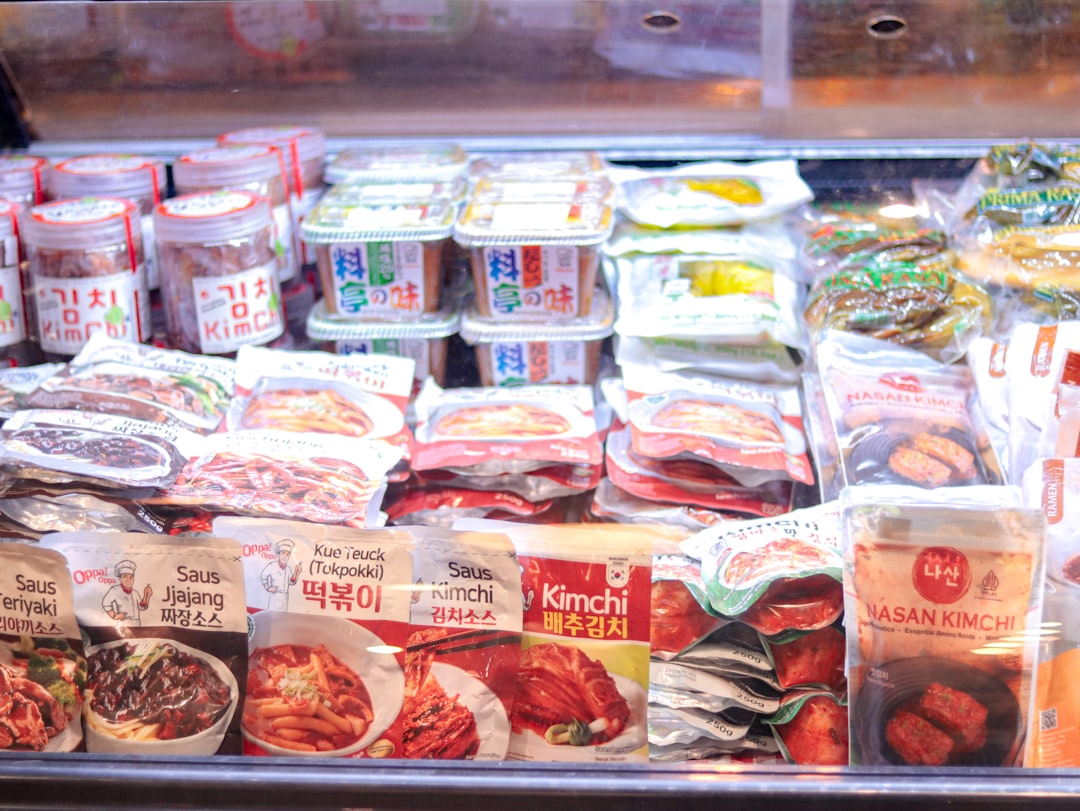
When governments raise import taxes, the impact is rarely limited to boardroom headlines or shipping manifests. It can show up in the most ordinary place possible: your grocery receipt. From coffee and cocoa to cheese, olive oil, canned seafood, and even some produce, tariffs can ripple through the food system in ways shoppers feel quickly, unevenly, and sometimes confusingly. For a practical lens on how pricing pressure moves through retail, it helps to pair policy awareness with shopper tactics like cross-checking market data and understanding market signals before you assume every price jump is permanent.
This guide translates trade policy into everyday consumer implications. We’ll look at which imported food categories may rise in price, how retailers are likely to respond, and what shoppers can do right now to protect their budget. If you already compare promotions, batch meals, and monitor store availability, you’re ahead of the curve—especially when you combine deal-hunting with smarter store planning like triaging daily deal drops and using bulk buying strategically rather than impulsively.
1) What Tariffs Actually Do to Grocery Prices
Tariffs are a tax on imported goods, not a magic price switch
A tariff is an import tax added at the border. In grocery retail, that cost may be absorbed by the importer, split between wholesalers and retailers, or passed on to shoppers through higher shelf prices. The final effect depends on competition, existing stock, contract timing, and whether a product has domestic substitutes. In other words, a 10% tariff does not automatically mean a 10% increase at your local supermarket, but it does raise the odds that prices drift upward over time.
That nuance matters because grocery pricing is already shaped by fuel, labor, packaging, weather, and seasonality. Tariffs often stack on top of these existing pressures, which is why consumers sometimes see a product become more expensive even when the underlying commodity price has not moved much. For a useful way to think about layered cost pressures, compare it with how businesses manage rising operating costs in infrastructure-heavy markets: the shock may look small on paper, but it compounds across every transaction.
Imported foods are especially exposed when there are no easy substitutes
Some grocery categories are easier to re-source than others. If a supermarket can swap one supplier of canned tomatoes for another domestic supplier, it may soften the tariff hit. But if the product is highly specialized—single-origin coffee, Parmigiano Reggiano, Japanese mayo, extra-virgin olive oil from a specific region, or winter produce from a particular hemisphere—the store has fewer pricing levers. That is why tariff changes tend to land hardest on premium imports and specialty staples.
This is also where retailer strategy becomes important. Stores may use promotional pricing on substitutes, shrink promotions, or launch house-brand alternatives to keep baskets affordable. Shoppers can benefit by knowing which products are likely to become “protected” by brand loyalty and which are more vulnerable to replacement. If you want a broader view of how businesses react to supply shocks, our guide to resilient sourcing explains why companies often diversify suppliers before a problem becomes visible to consumers.
Policy changes move through the system in stages
Price effects do not usually appear everywhere at once. First, importers feel the tariff when shipments clear customs. Then distributors adjust invoices. After that, retailers decide whether to keep prices steady temporarily, renegotiate with vendors, or raise shelf tags. This lag means shoppers may have a short window to stock up on certain items before the full effect reaches the shelf. It also means some categories can stay stable for weeks while others react almost immediately.
That timing is one reason shoppers need to distinguish between a temporary promotion cycle and a real structural price shift. Retailers often use the time between policy announcement and price pass-through to reset promotions, clear inventories, or push alternative labels. For budget-conscious households, that’s the moment to compare unit pricing carefully and look beyond the front-page ad. If you’re managing household costs more proactively, the framework in [intentional blank?]
2) Which Grocery Categories Are Most Likely to Rise First
Specialty imports and branded pantry items
The first products to feel tariffs are often those with strong import dependence and limited domestic equivalents. Coffee, tea, cocoa, chocolate, olive oil, specialty rice, pasta from certain regions, tinned fish, nuts, dried fruit, and imported sauces may all face upward pressure. Even when the raw ingredients are not heavily taxed, packaging, processing, or bottling done abroad can make the finished product vulnerable. In many cases, the brand equity of an imported product also reduces shopper switching, allowing price increases to stick.
Shoppers should watch these items closely because they are pantry repeat purchases, meaning small price rises compound over a month. A $0.30 increase on a weekly item becomes noticeable quickly if you buy it every trip. If a store offers a private-label alternative, that can be the fastest savings option. But not all store brands are equal, so do a quick taste test before fully switching your household around.
Cheese, deli, and prepared foods with imported ingredients
Cheese and prepared foods are another pressure point. Imported cheese varieties, cured meats, olives, pickles, sauces, and seasoning blends may become more expensive if their components cross borders multiple times. Retailers sometimes respond by reformulating prepared foods to use more domestic inputs, but the change can affect taste, texture, and consumer trust. That matters because prepared foods are one of the most visible ways shoppers feel inflation every day.
For consumers trying to keep convenience without losing control of spending, the economics of ready-to-eat items are worth studying. Our article on prepared foods growth shows why retailers keep leaning into convenience even when ingredient costs are volatile. If you shop deli-heavy or rely on heat-and-eat options, look for markdown windows, family-size packs, or meal components you can re-use across multiple dinners.
Produce prices: not always imported, but still tariff-sensitive
Produce is more complicated than many shoppers realize. Some fruits and vegetables are imported seasonally to fill supply gaps, especially in winter or during weather disruptions. Items like berries, asparagus, grapes, citrus, avocados, mangoes, tomatoes, and lettuce can all be affected indirectly if tariffs change sourcing economics. Even if a specific item is grown domestically, fertilizer, seed, greenhouse materials, and packaging can also be imported, which can push up broader produce prices.
Because produce is perishable, stores have less room to absorb costs than they do with shelf-stable products. That means shoppers may see more frequent price changes and shorter promotion windows. The best move is to follow seasonality, swap between fresh and frozen, and use flexible recipe planning. For energy-aware cooking strategies that also help with produce-heavy meal prep, see energy-smart cooking methods that lower total meal cost without reducing quality.
3) How Retailers May Respond to Tariff Pressure
Switching to alternate suppliers and countries of origin
The most immediate retail response is sourcing substitution. If one supplier becomes too expensive, retailers may move to a different country of origin, a different distributor, or a private-label manufacturer. This can preserve price stability for shoppers, but it can also change product quality or consistency. A can of tomatoes from one region may look identical on the shelf but differ in acidity, salt levels, or size.
Retailers that already operate strong procurement systems are usually better at absorbing shocks. Their buying teams can compare landed cost, lead time, freight risk, and minimum order quantities before deciding whether to switch. For a parallel in a different industry, the logic resembles cross-checking quoted prices before making a purchase decision: the cheapest apparent option is not always the true lowest-cost option once hidden variables are included.
Using promotions, shrinkflation, and private labels to manage sticker shock
When retailers do not want to raise shelf prices too visibly, they often use smaller package sizes, less frequent discounts, or bundle promotions. That means the unit price may go up even if the shelf tag looks familiar. Shrinkflation tends to appear first in products like cereal, crackers, coffee, chocolate, and frozen meals, where packaging can be adjusted with limited consumer resistance. Private labels may also get more prominent shelf placement as retailers try to redirect demand away from costly national brands.
As a shopper, this is where label reading and unit-price discipline matter. Compare price per ounce, not just per package. Notice whether the pack size changed. And if your store app tracks your purchase history, use it to identify which products have quietly become more expensive. Those adjustments are similar to the careful timing needed in deal prioritization: act on the best value, not the loudest promotion.
Emphasizing local and regional sourcing
Retailers often respond to tariff pressure by marketing local produce, regional dairy, and domestic packaged goods more aggressively. This can be a win for shoppers if local suppliers are competitive on price and freshness. But it is not automatically cheaper. Local production can still carry labor, land, and energy costs that exceed imported options in some categories. The point is not that local always wins, but that retail assortments may shift toward it when international sourcing gets costlier.
For shoppers, local-first merchandising creates both opportunity and homework. You may get fresher product, shorter supply chains, and more transparency about origin. But you also need to know when “local” is a genuine savings play versus a premium branding strategy. A good example of evaluating local value can be found in local shopping guides, where product origin and pricing both matter in deciding what’s worth buying.
4) What the Data Suggests About Consumer Impact
Tariffs rarely hit every shopper the same way
Households that buy more imported specialty foods are more exposed than households focused on basic staples. A family that cooks from scratch using beans, rice, potatoes, bananas, and domestic poultry may feel the effect less than a household that buys imported snacks, European cheeses, specialty beverages, and branded condiments. In practice, tariff exposure is a basket issue, not a universal grocery issue. The more your meals depend on import-heavy categories, the more likely you are to notice price changes.
That difference is why shoppers should audit their own basket rather than rely on general inflation headlines. Start by checking which categories dominate your receipt: produce, proteins, dairy, beverages, pantry staples, snacks, or prepared foods. Then identify which items are imported or likely to depend on imported inputs. If you’re looking for a framework to understand how spending habits map to risk, our guide to money lessons for teens offers a practical model for building price awareness early.
Food inflation can persist even after the tariff headline fades
One reason tariffs are politically and financially important is that they can raise baseline food inflation for months. Once suppliers reprice contracts, those higher costs can remain in the system even if freight rates improve or a temporary discount campaign appears. Retailers may hold price increases longer than shoppers expect because resetting price downward is often slower than raising it. As a result, a tariff can leave lasting marks even if media attention moves on.
This persistence means a short-term “wait and see” strategy is not always enough. Shoppers should monitor prices on a few anchor items they buy often—coffee, olive oil, cheese, cereal, canned goods, and produce—and compare them across weeks. That makes it easier to identify whether a change is a one-off promotion ending or a real trend. If you want a consumer-friendly way to track changes over time, our article on documentation analytics offers a surprisingly useful mindset: measure consistently, and patterns become visible.
Retail competition can blunt some of the pain
In markets with strong supermarket competition, stores may absorb part of a tariff to defend market share. In less competitive areas, the pass-through to shoppers can be faster and harsher. That is why location matters. A shopper with three nearby supermarkets, a discount grocer, and one warehouse club has far more leverage than someone with only one full-service store nearby.
For consumers, this is where shopping around becomes a real financial tool, not just a nice habit. Compare weekly ads, use store pickup to check inventory before you drive, and be willing to split your basket between two stores when the savings are meaningful. A practical approach to evaluating comparative value can be learned from deal comparison thinking: the best value is the option that meets your needs at the lowest total cost, not the one with the flashiest headline price.
5) Smart Shopper Tactics to Offset Tariff-Driven Price Increases
Shift from brand-first to value-first shopping
When import taxes push up branded item prices, the easiest savings often come from flexible substitutions. Try store-brand pasta, canned tomatoes, broth, frozen vegetables, tea, coffee, and condiments before assuming the premium brand is worth the markup. In many categories, private-label quality has improved enough that the savings are substantial without a big tradeoff. You can also use this moment to re-evaluate whether a specialty imported item is a “must-have” or just a habit.
A simple rule works well: if the item is used as an ingredient rather than the star of the meal, switch it first. For example, if you’re using olive oil in cooking, a mid-tier alternative may be fine. But if a product is central to flavor, like a finishing oil or a specific cheese, it may be worth paying for the original and saving elsewhere. For additional tactics, our guide on bulk cereal savings shows how to protect freshness while still buying in larger, cheaper units.
Use meal planning to reduce exposure to volatile categories
Meal planning is one of the most effective defenses against food inflation because it lets you steer around expensive categories instead of reacting to them in the aisle. If imported tomatoes are up, build meals around beans, eggs, or seasonal greens. If cheese is rising, pivot to recipes that use smaller amounts of strongly flavored cheese instead of large quantities of mild cheese. That kind of flexibility is how households keep taste while lowering cost.
To make meal planning more effective, match recipes to sales rather than shopping and then improvising at home. Use store flyers, digital coupons, and pickup inventory checks to build a menu from the cheapest available ingredients. If you want a richer flavor strategy with low-cost substitutions, our guide to meatless Italian sandwiches shows how to create satisfying meals from lower-cost ingredients without sacrificing convenience.
Buy strategically, not excessively
Tariff headlines can tempt shoppers into panic buying, but overbuying can backfire if items expire before you use them. Instead, stock up selectively on shelf-stable products you genuinely consume often. Coffee beans, canned goods, rice, dried pasta, cooking oils, and frozen ingredients are safer pantry candidates than delicate fresh items. Be wary of buying too much at once just because prices may rise; the goal is savings, not waste.
One smart method is to set a “price threshold” for your household. If a staple reaches a certain unit price, buy an extra one or two. If it exceeds your threshold by too much, switch brands or wait. This is the same discipline consumers use in other categories, like comparing performance and value in big-ticket value purchases: don’t let fear override arithmetic.
6) A Practical Comparison Table: Where Tariffs Are Most Likely to Show Up
The table below is a consumer-focused snapshot of categories that often feel tariff pressure first, why they are vulnerable, and what shoppers can do about it. It is not a guarantee that every item in the category will rise at the same rate, but it offers a practical guide for planning.
| Category | Why It’s Vulnerable | Likely Retail Response | Shopper Move |
|---|---|---|---|
| Coffee and tea | High import dependence, limited substitute quality | Higher shelf prices, smaller bag sizes, more promotions on store brands | Compare unit price and buy favored items only when on sale |
| Olive oil | Regional sourcing concentration and premium branding | Switching to alternate origins or mixed blends | Use mid-tier oil for cooking, save premium oil for finishing |
| Cheese and dairy specialties | Imported varieties and ingredient-linked processing costs | Private-label alternatives and shorter promo windows | Try domestic substitutes and watch deli markdowns |
| Canned seafood | International sourcing and processing labor exposure | Repriced assortments and shifting origin labels | Stock up on favorite brands during promotions |
| Produce out of season | Winter imports and global logistics dependence | Seasonal swaps, frozen options, or reduced assortment | Follow seasonal produce and use frozen backups |
| Sauces, condiments, and snacks | Branded imports and pack-size adjustments | Shrinkflation and private-label expansion | Check ounce pricing and test store brands |
Pro tip: The most expensive grocery item is often not the one with the highest shelf price—it’s the one you buy repeatedly without comparing unit cost. A small tariff on a weekly staple can drain more budget over a year than a big increase on a once-a-month luxury item.
7) How to Read Labels and Receipt Patterns Like a Pro
Watch for changes in country of origin and package size
One of the quickest ways to spot tariff pass-through is to inspect the product label. If the country of origin changes, the formula changes, or the package gets smaller, you may be seeing the store’s response to rising import costs. Product labels can also reveal whether an item has been repackaged by a domestic distributor or shifted to a different processing facility. These clues are especially important in categories where taste and consistency matter.
Make a habit of reading the fine print on items you buy often. If a product seems “the same but not quite,” your impression may be correct. To avoid paying more for less, compare the per-unit price and take note of any branding or origin changes over time. This kind of consumer vigilance is similar to the principles in import comparison shopping: the true cost includes quality, reliability, and seller transparency.
Use your receipt as an inflation dashboard
Receipts are more valuable than many shoppers realize. If you save or photograph them, you can spot trends in a few minutes. Look for repeated increases in the same categories, not just one-off changes. A pattern of slightly higher totals on coffee, dairy, and produce may be more revealing than a headline about “average inflation.” That helps you decide where to adapt first.
It also helps to track a small set of benchmark products: one imported staple, one produce item, one dairy item, one pantry item, and one prepared food. If all five start climbing, you know the budget impact is broad. If only one rises, you may be dealing with a vendor-specific issue rather than tariff pressure. For a mindset on monitoring change systematically, our article on using research services to outsmart platform shifts shows the value of disciplined tracking.
Don’t ignore store apps and digital coupons
Store apps are one of the easiest ways to offset import-driven price increases because they often surface targeted discounts on substitute brands. Digital coupons may not fully neutralize tariff costs, but they can reduce the damage on items you already need. The key is to activate offers before you shop and compare the app price to the shelf price, especially in categories where promotions are constantly changing.
If your grocery store offers pickup or curbside shopping, use it as a price-comparison tool. The cart can act like a live quote sheet: you can swap items, remove expensive choices, and check totals before you commit. This is similar in spirit to carefully evaluating offers in value-focused deal guides, where a lower headline price can hide a worse real-world deal.
8) What to Expect Over the Next Few Months
Short-term: uneven movement and promotional noise
In the near term, shoppers should expect uneven price movement. Some items will rise right away, some will stay flat because of existing inventory, and others will become more aggressively promoted as retailers try to manage demand. That means the grocery aisle may feel contradictory: one imported item jumps, another seems unchanged, and a third gets a temporary discount. This is normal during policy transitions.
The best response is to stay observant rather than reactive. Keep buying the items that still fit your budget, but be ready to substitute or switch channels if a product breaks your price threshold. If you rely on a particular store for convenience, compare it against a second retailer at least once a week. That habit is worth more than trying to predict every headline.
Medium-term: sourcing changes become visible to shoppers
As suppliers adjust, more visible changes may appear on shelves. You may see new origin labels, different package designs, adjusted ingredient lists, and more store-brand shelf space. Some products may disappear temporarily before reappearing in a new form. This phase can be frustrating, but it often reflects the retail industry rebalancing supply, demand, and margin.
For shoppers, the smartest move is to remain flexible. If a favorite imported item becomes too pricey, treat the category as a shopping problem, not a moral one. There is usually a good-enough alternative if you give yourself a couple of trials. If you want a practical mindset for adapting to shifting conditions, our guide on navigating global supply shifts is a useful framework for thinking about backup options and diversification.
Long-term: some prices may never fully return
Even if tariffs change again later, some prices may not revert exactly to prior levels. Retailers often reset their reference prices, and supplier contracts may be renegotiated at the new baseline. That is why a temporary policy change can create long-lived effects in grocery pricing. Consumers should assume some inflation is “sticky” and plan accordingly.
This makes a strong case for building a resilient household grocery strategy: maintain a small pantry buffer, know your best-value stores, and keep a shortlist of acceptable substitutions. If you want to improve long-run budget resilience, the same mindset applies across spending categories, from food to durable household purchases: choose reliability, monitor value, and replace guesswork with habits.
9) Final Takeaways for Grocery Shoppers
Focus on the categories that matter most to your basket
Tariffs do not raise every grocery price equally. They usually hit imported specialty foods, premium pantry staples, off-season produce, and products with complex cross-border supply chains first. If your household buys a lot of those items, you will feel the change faster. If your basket is mostly domestic and seasonal, the impact may be smaller, though still noticeable over time.
The right response is not panic, but prioritization. Identify your top ten repeat purchases and flag the ones that depend on imports. Then decide which are worth paying extra for, which can be replaced, and which are better bought only on promotion. That kind of disciplined shopping is one of the easiest ways to protect yourself from food inflation without giving up quality.
Retailers will adapt, but shoppers can adapt faster
Supermarkets will use sourcing changes, private labels, smaller pack sizes, and targeted promotions to soften the tariff blow. That helps, but it does not guarantee stable prices for every item. Consumers who compare unit prices, shop seasonally, and use digital tools to check inventory and promotions will have a real edge. You do not need to become a policy expert to save money—you just need a routine.
For more smart shopping habits, revisit our guides on bulk buying without waste, cost-aware cooking, and how product positioning shapes buying behavior. Those lessons all support the same goal: helping you spend less without compromising your household routine.
Use policy awareness as a shopping advantage
Understanding tariffs gives you a head start. When you know which products are likely to rise, you can stock strategically, switch brands before a price jump becomes widespread, and plan meals around what is abundant rather than what is expensive. In a market where prices change quickly and transparency can be uneven, informed shoppers win more often than impulsive ones.
If tariffs continue to shift, the best grocery strategy is simple: stay flexible, compare often, and buy with intention. That is the difference between reacting to food inflation and managing it.
Pro tip: If a product is imported, perishable, and part of your weekly routine, it deserves extra price monitoring. That trio is where tariffs can quietly do the most damage to your budget.
Frequently Asked Questions
Will tariffs always make grocery prices go up?
Not always, and not instantly. Tariffs raise the cost of importing goods, but the final shelf price depends on retailer competition, existing inventory, supplier contracts, and whether the product has a good substitute. Some prices may stay flat for a while, while others rise quickly.
Which groceries are most likely to feel tariff pressure first?
Imported coffee, tea, olive oil, cheese specialties, canned seafood, specialty sauces, off-season produce, and branded pantry items are often among the first categories affected. Products with limited domestic alternatives or strong brand loyalty tend to absorb cost increases more easily.
How can I tell whether a price increase is tariff-related or just regular inflation?
Look for patterns across multiple shopping trips. If several imported items in the same category rise at once, or if the country of origin changes, tariffs may be part of the explanation. If only one item jumps, it could be supplier issues, seasonal demand, or a promotional reset.
Are store brands a good way to save when import taxes rise?
Often yes. Private-label products can be cheaper because retailers control sourcing and packaging more directly. Still, quality varies by category, so it is worth testing a few items before switching your entire basket.
What is the smartest way to shop if I expect food inflation to continue?
Build a shortlist of your most important staples, track their unit prices, and buy in modest quantities when they hit your target threshold. Use seasonal produce, frozen alternatives, store apps, and meal planning to keep your basket flexible and your budget stable.
Should I stock up on imported groceries now?
Only selectively. Stock up on shelf-stable items you already use regularly and can store safely, like coffee, pasta, rice, canned goods, or cooking oils. Avoid panic buying perishables, because waste can erase any savings from buying ahead.
Related Reading
- Resilient Sourcing: A Maker's Playbook for Navigating Global Supply Shifts - Learn how companies diversify suppliers when trade conditions change.
- Cross-Checking Market Data: How to Spot and Protect Against Mispriced Quotes from Aggregators - A useful mindset for comparing grocery prices and unit costs.
- The Prepared Foods Growth Playbook - See why convenience categories react quickly to cost pressure.
- Energy-Smart Cooking: Compare Cost per Meal for Gas, Electric, and Air Fryers - Lower your total meal cost with smarter cooking choices.
- AliExpress vs Amazon for Tech Imports: How to Save on Tablets, Flashlights and More — Safely - A helpful comparison framework for evaluating imported goods.