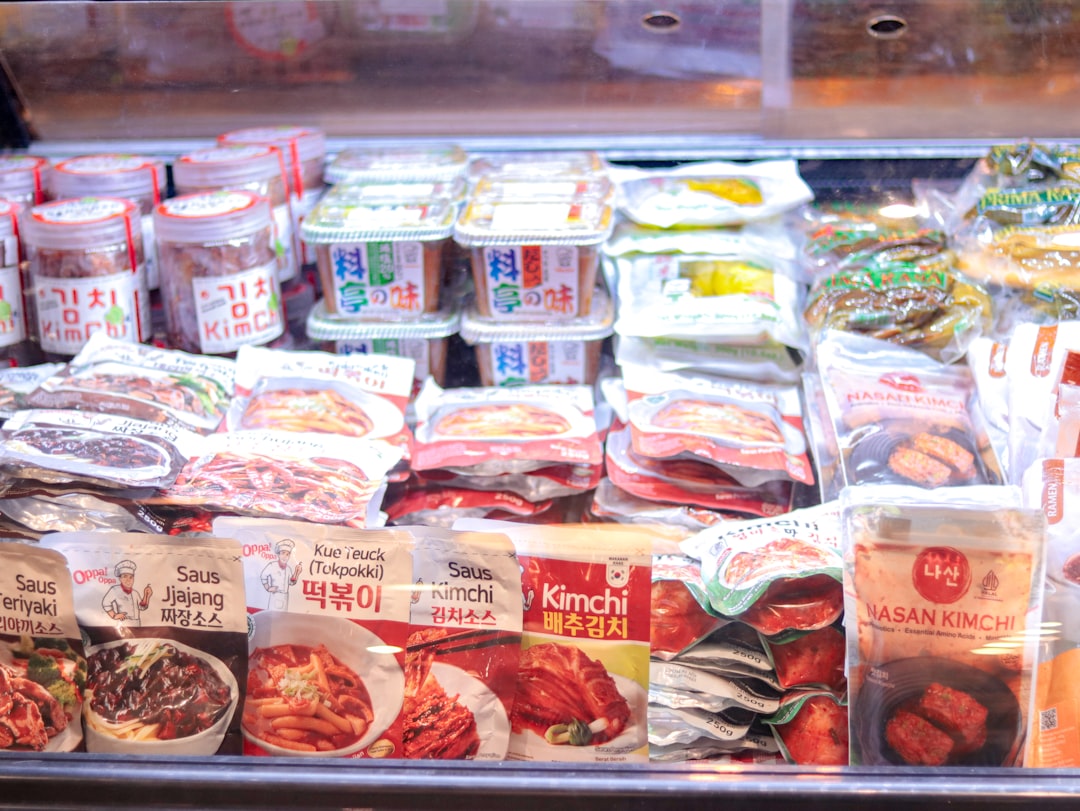
A well-organized supermarket trip saves time, protects delicate food, and makes it easier to put cold and frozen items away before quality suffers. This aisle-by-aisle checklist shows how to plan a practical route, adapt it to your household, pack groceries securely, and finish with a checkout-to-storage routine that reduces forgotten items and avoidable waste.
Overview
The most efficient grocery route is usually based on food condition rather than the exact layout of one store. Start with items that can stay at room temperature, choose chilled and frozen products later, and leave fragile foods for a deliberate final stop or pack them where they will not be crushed. Store layouts vary, so treat the following order as a flexible template rather than a fixed map.
Before leaving home, check what you already have, review the meals you expect to prepare, and group your list by supermarket department. A weekly ad can help you decide what to buy first; see How to Read a Supermarket Weekly Ad and Build the Best Shopping List for a separate planning guide. If a planned ingredient is unavailable or overpriced, keep a substitution in mind rather than making an unplanned purchase.
A reusable aisle-order shopping list
- Entry and service areas: Note special orders, returns, loyalty offers, or items you need to collect. Do not let an endcap promotion replace the list without checking its purpose and price.
- Pantry and dry goods: Buy grains, pasta, canned foods, baking supplies, sauces, snacks, and household staples. Check stock at home before buying duplicates.
- Beverages and bulky items: Pick up water, paper goods, pet supplies, and other heavy packages after lighter pantry items when possible. Place them low in the cart.
- Produce: Choose fruits and vegetables according to when you will use them. Put soft berries, leafy greens, herbs, and ripe fruit in a separate area or near the top of the cart.
- Bakery and delicate prepared foods: Keep bread, pastries, cakes, and containers that can tip away from cans and bottles.
- Dairy, eggs, and chilled prepared foods: Check dates and package condition, then place these items together so they can be unloaded quickly at home.
- Meat, poultry, and seafood: Select these near the end. Keep packages in a separate reusable bag or sealed compartment so leaks cannot contact ready-to-eat food.
- Frozen foods: Shop this section last whenever practical. Use an insulated bag for the trip home if frozen food will be out of the freezer for an extended period.
- Checkout: Before joining the queue, scan the cart against the list, including the lower rack and the child seat area.
On an unfamiliar visit, use the store directory, app, or signs to identify departments before walking every aisle. If the supermarket near you has a different layout, keep the same principle: dry and durable items first, fragile foods protected, and temperature-sensitive items last.
Checklist by scenario
For a small, routine shop
- Write the list in department order, not in the order items occur to you.
- Separate essentials from optional purchases.
- Take one reusable bag for ordinary items and a separate insulated bag if buying chilled or frozen food.
- Leave room in the cart so produce and bread are not compressed.
For a large weekly shop
- Divide the list into pantry, produce, chilled, meat or seafood, frozen, and household sections.
- Mark items that are needed for a specific meal or date.
- Use a second list for non-food items so they do not distract from perishables.
- Plan where each category will go in the car before checkout: heavy items on the floor, cold items together, and fragile foods on top.
For a hot day, long drive, or multiple stops
- Make the supermarket your final stop where possible.
- Bring an insulated cooler or bag with cold packs for chilled and frozen items.
- Separate raw meat, poultry, and seafood from foods that will be eaten without further cooking.
- Go directly home after shopping when practical, then put frozen and refrigerated items away first.
For a household with different needs
Build the list around the people who will eat the food. Add a column for allergies or dietary requirements, a column for preferred brands or acceptable store-brand alternatives, and a column for quantity. For a shared household, assign one person to check pantry inventory and another to review the fresh-food list. This reduces duplicate purchases without relying on memory.
For meal planning on a budget, connect each fresh item to at least one planned use and one backup use. A bunch of herbs may serve a main dish and a soup; extra vegetables may work in a stir-fry, omelet, or tray bake. The guide to planning cheap healthy meals around supermarket sales can help turn sale items into a workable list.
What to double-check
Temperature control: Keep chilled and frozen foods together, use insulated bags for longer journeys, and follow the storage directions on the package. If your route includes several errands, reconsider buying the most perishable items first. When in doubt about a product's condition, follow local food-safety guidance rather than trying to rescue it.
Packaging: Inspect eggs for cracks, cans for severe damage, sealed packages for leaks, and produce containers for crushed or visibly spoiled items. Put raw-protein packages in a leak-resistant bag. Never place them directly above bread, produce, or ready-to-eat foods.
Cart loading: Keep heavy items at the bottom, firm produce in the middle, and soft or delicate products at the top. Do not place bottles on berries, leafy greens, pastries, or eggs. Reusable bags should be clean and dry; reserve a clearly marked bag for raw meat if that makes separation easier.
Home storage: Unload in this order: frozen food, refrigerated food, raw proteins, fragile produce, then pantry and household items. Put foods where they belong immediately instead of leaving bags on the counter while you start another task. Use the seasonal produce shopping guide for storage and substitution ideas that change with the time of year.
Value checks: If you are comparing a store brand with a name brand or evaluating a promotion, check size, quantity, and unit price before adding it. A low shelf price is not automatically the best value when package sizes differ. The unit-price comparison guide offers a simple way to make that check.
Common mistakes
- Following the store map too literally: Aisles move, seasonal displays change, and local branches differ. Organize by department and adjust the route in real time.
- Buying frozen food too early: This creates an avoidable temperature challenge, especially when the trip includes a long checkout or extra stops.
- Mixing raw and ready-to-eat foods: Separate them in the cart, bags, car, and refrigerator.
- Overloading reusable bags: A full bag can crush produce and make it harder to identify leaks. Use smaller loads and keep categories together.
- Forgetting the lower rack: Before leaving the checkout, check under the cart, the child seat, and any separate basket.
- Shopping without a storage plan: If the refrigerator or freezer is already full, a large shop may lead to damaged food and forgotten items. Clear space before leaving.
- Buying without a use: A bargain is less useful if it cannot be eaten while fresh. Use substitutions and flexible recipes instead of collecting ingredients without a plan.
For frozen purchases, compare package condition, serving size, and intended use with the advice in the frozen food aisle buying guide. For fresh meat, fish, and eggs, use the separate quality checklist before placing items in your cart.
When to revisit
Review this plan before a large holiday shop, a seasonal change in produce, a move to a new supermarket, or any trip involving a longer drive. Recheck the store layout when the retailer changes its app, directory, pickup process, or department arrangement. Also update the household list when dietary needs, work schedules, storage space, or the number of shoppers changes.
Before your next trip, spend five minutes doing this:
- Check the refrigerator, freezer, and pantry.
- Choose meals or uses for the most perishable items.
- Copy the aisle-order template into your phone or print it.
- Mark fragile, chilled, frozen, and raw-protein items.
- Pack clean reusable bags and an insulated bag if needed.
- Choose a route that ends with frozen and refrigerated shopping.
- At checkout, scan the cart; at home, unload temperature-sensitive items first.
This routine is simple enough for an ordinary grocery run and flexible enough for an unfamiliar store. Save the checklist, then customize it whenever your household, supermarket, or journey changes.