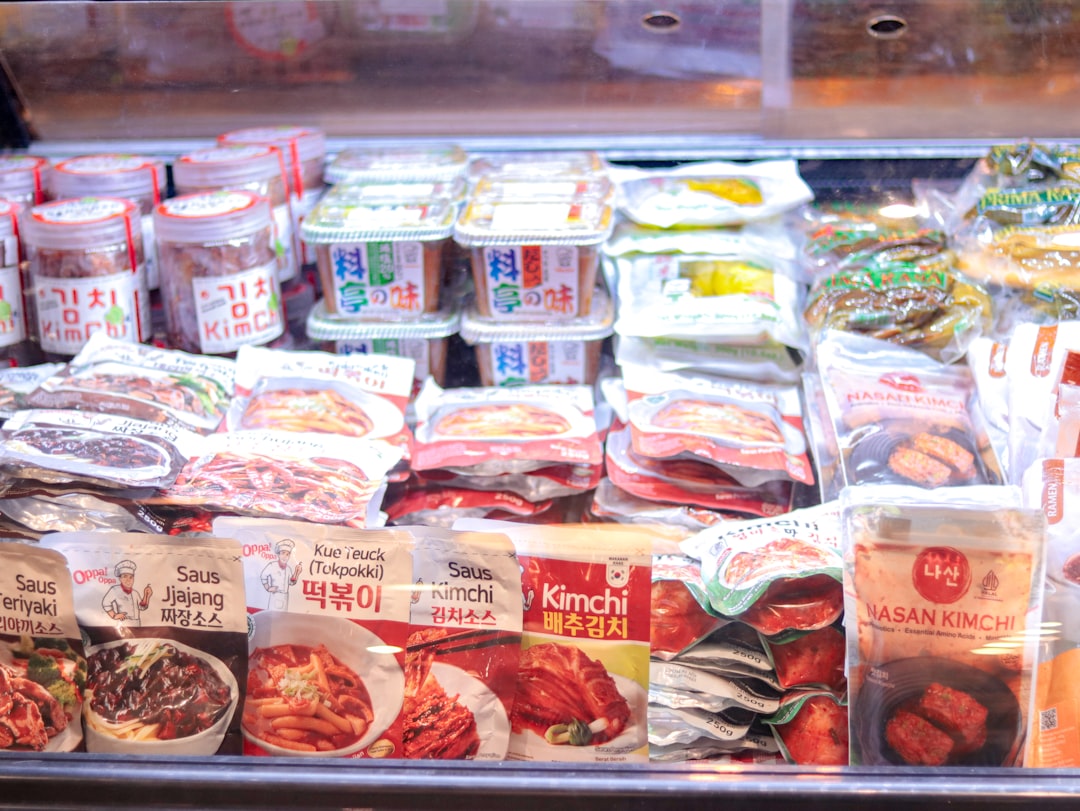
Frozen foods can reduce prep time, food waste, and sometimes the cost of a meal—but the best choice depends on more than the sticker price. This buying guide shows how to compare frozen vegetables, fruit, seafood, proteins, and prepared meals using unit price, usable yield, serving size, and label details. Use the method before a stock-up trip, then recalculate when prices, package sizes, or your household needs change.
Overview
The frozen aisle is useful for building a practical food supply. Freezing can make seasonal items available beyond their usual fresh window, provide convenient portions, and help you keep ingredients on hand for quick meals. It is not automatically the cheapest or healthiest option, however. A low shelf price may reflect a smaller package, a sauce-heavy recipe, or fewer usable servings.
Start by deciding what job the product must do. A plain bag of vegetables is an ingredient for several meals. A frozen entrée is a complete convenience purchase. Frozen fish may be a main protein, while frozen berries may be used in smoothies, oatmeal, or baking. Compare products within the same job rather than treating every package as interchangeable.
For most shoppers, the strongest frozen-food choices have a clear ingredient list, a package size that matches actual use, and a cost that works after accounting for waste and add-ons. Store brands are worth checking beside name brands, especially for plain vegetables, fruit, grains, and basic proteins. Compare the label and unit price rather than assuming either type is better.
How to estimate value
Use a simple effective-cost calculation for each product:
Cost per usable serving = package price ÷ expected usable servings
For a more direct product comparison, also note:
- Unit price: package price divided by package weight or volume.
- Serving cost: package price divided by the servings you will realistically use.
- Meal cost: frozen product price plus the cost of the ingredients needed to complete the meal.
- Waste-adjusted cost: price divided by the amount you expect to eat, not merely the amount printed on the front of the package.
Check the shelf tag and package label carefully. A package may display a promotional price, a loyalty price, or a multi-buy condition. Record the price you can actually receive, including any required account or quantity condition, before comparing it with another product. For more detail on this method, see how to compare grocery prices by unit.
Then ask whether the product replaces another purchase. A frozen stir-fry blend may replace several fresh vegetables, but it may also include a sauce that you would rather control. A frozen meal may appear inexpensive until you add a side dish. A larger bag may have the best unit price but poor value if it remains unused in the freezer.
Inputs and assumptions
Before choosing among the best frozen foods at the supermarket, collect the same inputs for each option. This prevents packaging and brand familiarity from doing the comparison for you.
| Category | What to look for | Often best for | Common caution |
|---|---|---|---|
| Frozen vegetables | Plain ingredients, usable portions, optional seasoning | Fast sides, soups, stir-fries, casseroles | Sauces can add sodium, sugar, or extra cost |
| Frozen fruit | Whole fruit, no added sweetener unless intended | Smoothies, oatmeal, baking, snacks | Sweetened blends may change the product’s role |
| Frozen seafood | Fish or shellfish type, net weight, breading, glaze | Quick main dishes | Water, glaze, or breading can reduce the usable yield |
| Frozen proteins | Protein source, portion size, preparation method | Meal building and batch cooking | Seasoned or formed products may contain more fillers or sodium |
| Prepared meals | Calories, protein, sodium, serving definition, side needs | Convenience and portion control | One package may contain more than one serving |
Label checklist: Read the ingredient list first, then the Nutrition Facts panel. For vegetables and fruit, look for plain versions when you want maximum flexibility. Check for added sugar in fruit, especially in dessert-style blends. For meals, seafood, and seasoned proteins, compare sodium per serving and confirm how many servings are in the package. Treat “serving size” as a measurement for comparison, not necessarily the amount you will eat.
For seafood and other glazed products, compare net weight when it is provided and consider how much coating, sauce, or added water remains after preparation. For breaded proteins, decide whether the convenience of a ready-to-cook coating justifies the additional ingredients and cost. If dietary needs are important, use the complete label and follow advice from a qualified professional rather than relying on front-of-pack language.
Finally, assess freezer capacity and turnover. Keep a short inventory with the product name, quantity, and approximate purchase date. Leave room for air circulation and avoid buying a large package simply because its unit price is lower.
Worked examples
The following examples use hypothetical prices solely to demonstrate the calculation. Replace them with the shelf or online price available at your supermarket.
Plain vegetables versus a sauced blend
Suppose a plain frozen vegetable bag costs $2.40 and provides an estimated four side portions. Its serving cost is $2.40 ÷ 4, or $0.60 per portion. A sauced blend costs $3.60 and provides three portions, making its serving cost $1.20. The sauced product may still be worthwhile when it replaces a separate sauce and saves preparation time, but the plain bag offers more control and a lower ingredient cost in this example.
Frozen fruit for a weekly breakfast plan
Imagine a bag priced at $5.00 that produces eight smoothie or oatmeal portions in your household. The estimated fruit cost is $0.625 per portion, which you can round to $0.63 for planning. If the bag regularly leaves a few unused portions that become freezer-burned, recalculate using the number of portions actually eaten. A smaller bag with a higher unit price could then be the better household value.
Prepared meal versus a meal assembled from staples
Assume a frozen entrée costs $4.50 and is one serving, but you usually add a vegetable costing $0.80 and a piece of fruit costing $0.50. The practical meal cost is $5.80. Compare that figure with a planned meal assembled from frozen vegetables, a pantry staple, and a protein. The prepared entrée may win when time is the main constraint; the assembled meal may win when you are comparing cost, flexibility, or portion size. For broader planning, see how to plan cheap healthy meals around supermarket sales.
Freezer inventory checklist
- Count open and unopened bags before shopping.
- Mark items that should be used soon and move them to the front.
- Group vegetables, fruit, proteins, and prepared meals separately.
- Record partial bags so they are included in meal planning.
- Check that package seals are intact and discard food that appears unsafe or has been mishandled.
- Choose a replacement size based on your freezer space and normal use, not only the lowest unit price.
When to recalculate
Revisit your frozen-food comparison whenever the inputs change. Check again when a weekly ad introduces a discount, a store changes package sizes, a favorite product changes its recipe, or a loyalty price requires a different purchase condition. A supermarket’s weekly ad can help identify opportunities, but confirm the final unit and serving costs before stocking up.
Recalculate after a change in household size, freezer capacity, diet, schedule, or cooking routine. If you are throwing away partial bags, eating more servings than the label suggests, or buying side dishes to complete prepared meals, your original estimate no longer describes the real cost.
Before your next trip, choose three products to compare: one plain ingredient, one convenient alternative, and one store-brand or name-brand counterpart. Write down price, package weight, servings, sodium or added sugar where relevant, and the ingredients needed to complete the meal. Buy the option that best fits your actual use—not automatically the largest package or the most familiar label. Keep the calculation with your freezer inventory, and update it whenever prices, package sizes, or your shopping priorities move.