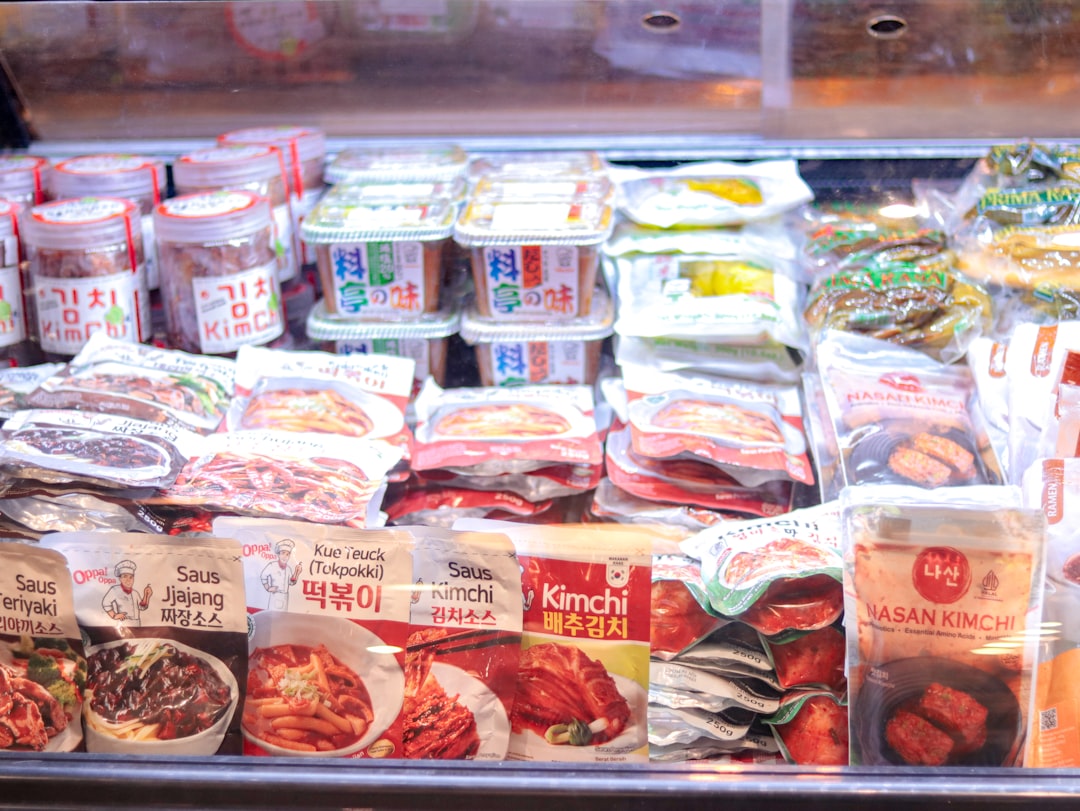
This seasonal produce guide helps you decide what to buy each month, how to select it, where to store it, and what to use when prices or availability change. Harvest timing varies by region, weather, and supermarket sourcing, so use the month-by-month suggestions as a practical starting point rather than a fixed rule. Check the produce section, weekly grocery deals, and unit prices at your local store before planning the rest of your shop.
Overview
Buying produce in season can make shopping simpler: items may be more readily available, better suited to current recipes, or easier to find at a competitive price. However, “in season” does not guarantee the lowest price at every supermarket. Local supply, imports, promotions, package size, and quality all affect the final value.
The best approach is to track four things together: condition, price, storage life, and planned use. A firm vegetable that can wait several days may be a better purchase than a more perishable item on special offer. Likewise, frozen or canned produce can be a sensible substitute when fresh options are costly or likely to go unused.
Before shopping, choose two or three meals that use overlapping ingredients. This makes it easier to buy a practical amount rather than chasing every seasonal item. For broader planning help, see how to plan cheap healthy meals around supermarket sales.
What to track
Use the table below as a recurring reference. The listed months describe common North American supermarket patterns and can shift substantially by region. In warmer climates, growing seasons may arrive earlier; in colder areas, local availability may be shorter. Supermarkets may also stock imported produce throughout the year.
| Month | Produce to look for | Selection cues | Storage and approximate use window | Preparation and substitutes |
|---|---|---|---|---|
| January | Citrus, apples, pears, winter squash, carrots, cabbage | Choose citrus that feels heavy for its size; look for firm, unblemished squash. | Refrigerate most cut or delicate produce. Whole apples, pears, squash, and onions often keep longer in a cool, dry place; use cut items promptly. | Roast squash and carrots or add cabbage to soups. Substitute sweet potatoes for squash and oranges for other citrus. |
| February | Citrus, kiwifruit, broccoli, cauliflower, leafy greens | Look for bright leaves, compact florets, and fruit without soft spots. | Keep greens and broccoli chilled in a breathable bag. Store kiwifruit at room temperature to ripen, then refrigerate. | Steam, roast, or stir-fry. Use frozen broccoli or cauliflower when fresh heads are expensive or lack firmness. |
| March | Leafy greens, radishes, asparagus in some regions, citrus | Choose crisp leaves, firm radishes, and asparagus with tight tips. | Refrigerate. Trim asparagus ends and keep spears upright or wrapped; use delicate greens within several days. | Add to salads, omelets, pasta, or grain bowls. Green beans or broccoli can replace asparagus. |
| April | Asparagus, peas, spinach, strawberries in some regions, carrots | Pick bright, un wilted greens and berries without leaking or mold. | Refrigerate berries unwashed until needed. Keep greens dry and use tender items first. | Blend greens into sauces, roast asparagus, or add peas to rice dishes. Frozen peas are a dependable substitute. |
| May | Strawberries, cherries in some regions, lettuce, peas, herbs | Choose fragrant berries with even color and crisp lettuce leaves. | Chill berries and herbs; avoid sealing damp produce tightly. Use berries soon after purchase. | Use in salads, yogurt, salsas, and quick desserts. Frozen berries can replace fresh in cooked or blended recipes. |
| June | Berries, cherries, peaches, cucumbers, zucchini, green beans | Fruit should smell fragrant and yield slightly where appropriate; vegetables should feel firm. | Most ripe fruit belongs in the refrigerator. Keep cucumbers and zucchini chilled but dry, and use soft fruit first. | Grill zucchini, add cucumbers to salads, or freeze ripe fruit for smoothies. Bell peppers can replace zucchini in many sautés. |
| July | Tomatoes, corn, melons, peaches, plums, peppers, eggplant | Choose tomatoes with a fresh aroma, melons that feel heavy, and peppers with taut skin. | Keep whole tomatoes at room temperature for best texture; refrigerate cut tomatoes. Chill ripe melons and stone fruit. | Make salads, salsas, grilled vegetable plates, or chilled soups. Canned tomatoes work when fresh tomatoes are weak or costly. |
| August | Tomatoes, corn, melons, berries, peaches, nectarines, summer squash | Look for unblemished skin, firm stems, and produce that is ripe for the planned use. | Separate very ripe fruit from firmer fruit and refrigerate items that need to last longer. | Preserve surplus by freezing, roasting, or making sauces. Use canned peaches or frozen berries outside the fresh season. |
| September | Apples, pears, grapes, late tomatoes, broccoli, cauliflower, winter squash | Choose crisp fruit, tight cauliflower heads, and squash with hard, intact skin. | Refrigerate grapes and cut produce. Store sound winter squash in a cool, dry location and use damaged pieces first. | Build sheet-pan meals, soups, and slaws. Sweet potatoes or carrots can stand in for squash. |
| October | Apples, pears, pumpkins, winter squash, Brussels sprouts, root vegetables | Choose dense, firm roots and squash without soft patches or cracks. | Keep roots and squash cool, dark, and dry when appropriate; refrigerate greens and cut vegetables. | Roast, mash, or add to stews. Canned pumpkin is a useful substitute for cooked fresh pumpkin. |
| November | Citrus, cranberries, sweet potatoes, cabbage, kale, pears | Select citrus that feels heavy, greens with firm stems, and sweet potatoes without soft areas. | Refrigerate leafy vegetables and berries. Store sweet potatoes in a cool, dry place rather than a cold refrigerator. | Use in soups, grain bowls, and roasted side dishes. Frozen greens can replace fresh in cooked recipes. |
| December | Citrus, apples, pears, pomegranates, potatoes, carrots, winter squash | Look for firm fruit, intact skins, and vegetables without sprouting or damp spots. | Keep apples and pears chilled if you need to slow ripening. Store potatoes away from light and moisture. | Use citrus in salads and dressings, and roots in roasts or soups. Frozen or canned fruit can fill gaps for baking. |
Storage times are approximate because freshness depends on maturity, handling, temperature, humidity, and whether produce has been cut. If an item smells fermented, shows spreading mold, or has an unusual slimy texture, discard it rather than trying to extend its use.
Cadence and checkpoints
Review this guide at the start of each month, then make a shorter check before your shopping trip. Start with the supermarket’s weekly ad and produce display. Note which seasonal items are actually available, whether the quality suits your recipe, and whether a sale requires buying a larger quantity than your household can use.
During the shop, compare loose and packaged options by unit price, not just shelf price. A larger package is only a saving if you can use it before quality declines. The guide to comparing grocery prices by unit can help when package sizes differ.
At home, record what was used successfully and what was wasted. A simple note such as “buy fewer peaches,” “freeze half the herbs,” or “cabbage lasted through two meals” turns general seasonal advice into a household-specific shopping plan.
How to interpret changes
A seasonal shift is not only a calendar change. Watch for three practical signals:
- Availability: If several stores have limited stock, the item may be between harvest periods or affected by local supply. Choose a substitute instead of building the week around it.
- Quality: If produce bruises quickly, lacks aroma, or is consistently underripe, buy less and use it in cooked dishes, or switch to frozen or canned alternatives.
- Value: Compare the usable portion and expected waste, not just the advertised price. A smaller amount of firm produce may outperform a larger discounted package that spoils.
Substitutions work best when you match function rather than appearance. Broccoli and cauliflower can share roasting or steaming methods; peaches and nectarines can often be exchanged in desserts; spinach and kale both work in many cooked dishes, although their textures differ. For a complete stock-up strategy, pair seasonal produce with the practical supermarket pantry list.
When to revisit
Revisit this guide monthly for shopping decisions and quarterly for a broader review. Update your personal notes whenever your store changes suppliers, your local growing season begins or ends, or a household change affects how much produce you can use. Weather can also shift availability, so treat the calendar as a guide rather than a promise.
Before your next shop, take five steps:
- Check the current weekly ad and identify two or three seasonal candidates.
- Choose items that fit meals you already expect to cook.
- Inspect firmness, aroma, color, and signs of damage in the store.
- Decide where each item will be stored and when it will be eaten.
- Write down one successful purchase and one adjustment for next time.
This routine keeps a seasonal produce guide useful beyond a single month. It also helps connect freshness, storage, substitutions, and grocery savings without assuming that the same produce or price will suit every store and household.