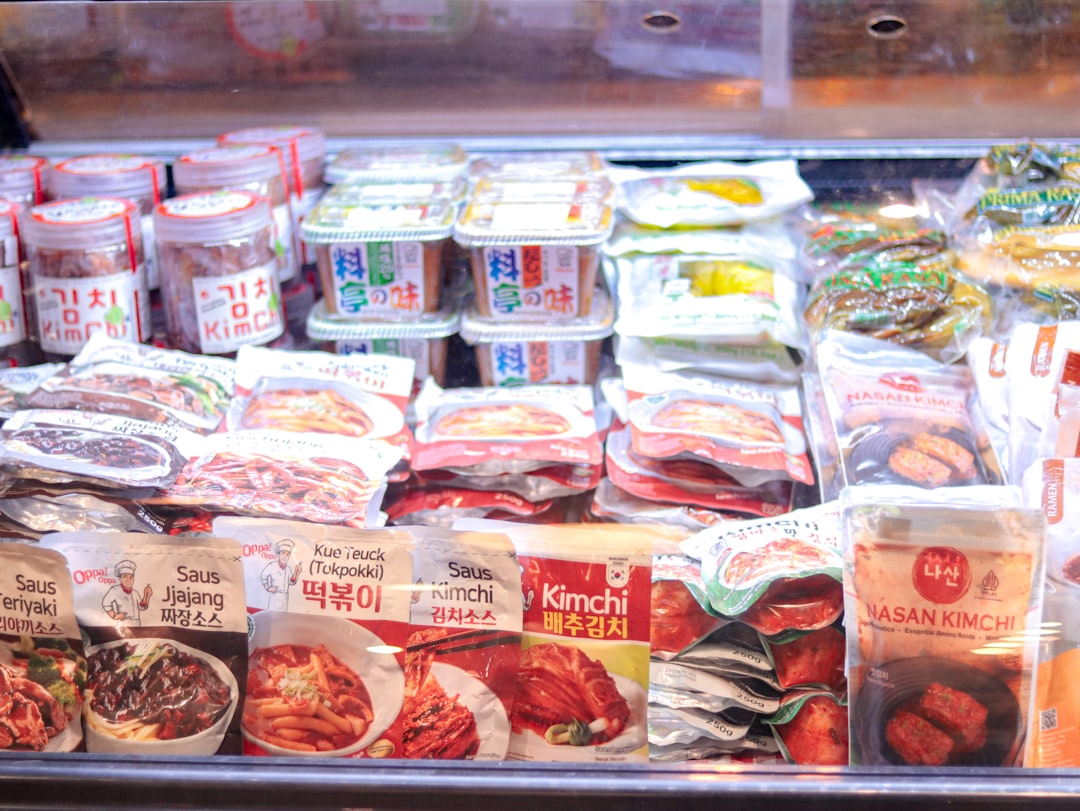
A good grocery trip starts before you reach the store and pays off aisle by aisle once you are there. This reusable grocery savings checklist is designed to help you make faster decisions, estimate whether a trip is actually budget-friendly, and avoid the small habits that quietly raise your total. Use it before a quick weekly run, a full household restock, or an online order. The goal is simple: spend less without leaving with a cart full of random sale items you do not really need.
Overview
This article gives you an aisle-by-aisle supermarket shopping checklist you can revisit before every trip. Instead of relying on vague advice like “buy what is on sale,” it breaks savings down into repeatable choices: what to check before you shop, how to compare products in each section, and where shoppers most often overspend.
It also works as a simple calculator for your decision-making. As you move through the store, you can estimate whether an item belongs in one of four buckets:
- Buy now: a true need at a good price
- Buy enough for this week: useful, but not worth stocking up
- Stock up: shelf-stable or freezable and clearly lower than your usual price
- Skip: not on your plan, not a real deal, or easily substituted
The checklist is useful because grocery prices change often, store layouts vary, and promotions can make expensive items look cheaper than they are. A calm, systematic pass through the store helps you protect your budget even when the weekly grocery deals change.
Before you shop, it helps to review the current ad and build a meal plan around the strongest discounts. If you want a companion guide for that step, see Weekly Grocery Ad Guide: How to Read Circulars and Spot the Real Deals and How to Plan Meals Around What Is on Sale This Week.
Your reusable savings checklist at a glance
- Check pantry, fridge, and freezer before leaving home
- Set a target budget for this trip
- Identify 5 to 8 meals before choosing individual products
- Flag loss leaders and high-priority weekly ad grocery items
- Compare unit prices, not just package prices
- Use store brand vs name brand selectively, not blindly
- Buy produce by shelf life and meal plan, not appearance alone
- Avoid convenience packaging unless it saves real waste or time
- Keep a running total as you shop
- Review impulse zones last, or skip them entirely
How to estimate
The easiest way to save money on groceries is to estimate the trip before you start filling your cart. You do not need exact prices for every item. You only need a consistent method.
Step 1: Build your trip around categories, not products
List the main categories you need for the week: produce, proteins, dairy, grains, pantry staples, frozen foods, snacks, beverages, and household basics. Then decide your target amount for each category. This prevents one aisle from taking over your budget.
A simple category estimate might look like this:
- Produce: 20% of budget
- Protein: 25%
- Dairy and eggs: 10%
- Grains and bread: 10%
- Pantry staples: 10%
- Frozen foods: 10%
- Snacks and extras: 10%
- Household items: 5%
Your percentages will vary, but the structure helps. If you spend too much early on meat, beverages, or packaged snacks, you can correct before checkout.
Step 2: Use the three-question filter for every item
For each product, ask:
- Was this planned? If not, does it replace something else or add to the bill?
- Is this the best version for the job? Compare size, unit price, and whether store brand is sufficient.
- Will we use it before it spoils? A discount is not savings if it turns into waste.
If an item fails two of those three questions, it usually belongs in the skip category.
Step 3: Estimate real value with a simple savings formula
Use this mental formula while shopping:
Real value = useful quantity × actual use likelihood × price per unit
That is less complicated than it sounds. A bulk tub of greens is not a bargain if half of it wilts. A larger cereal box is not cheaper if the unit price is higher. A family-size frozen entrée is only economical if your household will actually eat it.
For clearer guidance on unit price comparison groceries, read How to Compare Unit Prices at the Supermarket Without Getting Tricked.
Step 4: Track a live subtotal
Many budget overruns happen because shoppers wait until checkout to find out the real total. Keep a note on your phone and round each item up to the nearest whole dollar or half dollar. You do not need perfect accuracy. You need enough awareness to notice when the cart is drifting.
Step 5: Evaluate by aisle, not only at the end
By the time you reach checkout, most decisions feel final. Instead, pause at the end of each department and ask whether that section stayed within your rough category budget. This is where a supermarket shopping checklist becomes more effective than a simple list.
Aisle-by-aisle grocery savings checklist
Produce section
- Buy a mix of short-life and long-life produce
- Choose whole produce over pre-cut when time allows
- Compare bagged versus loose prices
- Prioritize produce that supports multiple meals
- Check seasonal options first for the best chance of fresh produce deals
Meat and seafood
- Compare family packs to standard packs by unit price
- Only stock up if you can portion and freeze promptly
- Look for cuts that fit multiple recipes, not just one
- Treat marinades and pre-seasoned items as convenience purchases
Deli and prepared foods
- Decide in advance whether convenience is worth the premium
- Compare prepared foods to simple DIY versions
- Avoid impulse add-ons like single-serve desserts and sides
Dairy and eggs
- Check expiration dates before choosing larger sizes
- Compare name brand and store brand on ingredients and unit price
- Buy the size your household finishes consistently
Bakery and bread aisle
- Freeze extra bread rather than paying for smaller premium packs
- Use day-old markdowns only if you have an immediate use
- Skip decorative baked goods unless planned for an event
Dry goods and pantry staples
- Stock up on rice, pasta, beans, oats, and canned tomatoes when priced well
- Check cost per ounce or pound carefully
- Keep a price memory for staple items you buy often
Frozen aisle
- Buy ingredients, not just full meals
- Frozen vegetables and fruit often offer strong value and low waste
- Compare sale pricing against bulk club or discount store habits, if relevant to you
For ideas, see Best Frozen Foods to Keep on Hand for Quick Budget Meals.
Snacks, beverages, and extras
- Set a hard cap before entering the aisle
- Watch for multi-buy promotions that increase spending
- Buy only favorites you finish, not novelty items
Household and paper goods
- Check if warehouse-size packs really beat supermarket deals
- Use coupons only when they match your normal products
- Store brands often make the most sense in this section
Inputs and assumptions
To make this checklist practical, it helps to define the inputs behind your choices. Grocery shopping feels unpredictable, but most trips are shaped by the same few variables.
1. Household size and eating patterns
A single shopper, a couple, and a family with children will all define “cheap groceries” differently. Bigger households may benefit from bulk packs more often, while smaller households need to be stricter about perishables and package size.
2. Shopping frequency
If you shop once a week, longer shelf life matters more. If you make smaller trips twice a week, produce quality and markdown timing may matter more. The right checklist is not just about the lowest price. It is about buying in a way that fits your routine.
3. Storage capacity
Stock-up deals only help if you have pantry, fridge, or freezer space. A crowded freezer turns low prices into forgotten food. A good cheap grocery trip respects storage limits.
4. Time versus money
Not every convenience product is a bad buy. Washed greens, rotisserie chicken, frozen vegetables, and pre-portioned snacks may help some households avoid takeout or food waste. Savings should be measured against your real habits, not an ideal version of shopping.
5. Local store mix
Your best supermarket prices may come from one store, or from using two stores for different categories. Some shoppers save most by using a discount chain for staples and a full-service supermarket for produce or specialty items. Others save more through one-stop shopping because it reduces impulse trips and delivery fees.
If you are deciding where to shop, these comparisons may help: How to Choose the Best Grocery Store for Pickup, Delivery, and In-Store Shopping, Amazon Fresh vs Grocery Outlet: Convenience, Prices, and Best Use Cases, and Food Lion vs Walmart Grocery Prices: Which Store Is Usually Cheaper?.
6. Brand flexibility
Store brand vs name brand is one of the simplest savings levers, but it works best when used category by category. In some aisles, a store brand is an easy substitute. In others, texture, ingredient list, or household preference may matter enough that switching is not worth it.
For a deeper look, read Store Brand vs Name Brand: Which Grocery Categories Save the Most Money?.
7. Seasonal produce timing
Your produce budget goes further when you align it with seasonality. You do not need exact harvest calendars to benefit. Simply knowing which fruits and vegetables are usually abundant can help you choose cheaper, more versatile items for the week.
See Seasonal Produce Guide by Month: What Fruits and Vegetables Are Usually Cheapest for planning support.
Reasonable assumptions for this checklist
- You are aiming to reduce waste as well as spending
- You are open to some store-brand substitutions
- You are willing to compare unit prices when the choice is unclear
- You shop with a weekly or near-weekly rhythm
- You want repeatable savings habits, not a one-time extreme haul
Worked examples
These examples show how the checklist works in common situations. The numbers are illustrative rather than fixed. The purpose is to show the decision process.
Example 1: The rushed midweek refill trip
You need produce, breakfast items, and one dinner solution. The risk on this kind of trip is overspending on convenience foods because you are shopping tired and hungry.
- Plan: 1 dinner, 2 breakfast staples, 4 produce items
- Watch-outs: deli meals, single-serve snacks, beverages
- Best checklist move: keep to the store perimeter and skip center aisles unless replacing a true staple
In this case, a bag of apples, bananas, spinach, carrots, eggs, yogurt, bread, and a simple protein may beat multiple ready-to-eat purchases, even if no single item looks like a dramatic deal.
Example 2: The weekly family stock-up
You are planning five to seven dinners, lunches, and snacks. The risk is buying too much in categories that feel urgent, such as meat, snack foods, or drinks.
- Plan: choose proteins based on the weekly ad grocery first, then build side dishes and produce around them
- Watch-outs: large “value” packs with poor unit pricing, bulk produce that spoils, duplicate pantry purchases
- Best checklist move: assign rough category limits before shopping and track a live subtotal by department
A family trip often saves more through balanced buying than by chasing every promotion. For example, swapping a few premium convenience items for frozen vegetables, dried grains, and store-brand staples can free enough room in the budget for better produce or an extra protein.
Example 3: The online pickup order
Online orders make impulse shopping easier to control, but they can hide fees, substitutions, and minimums.
- Plan: build the cart from essentials first and review the total before adding extras
- Watch-outs: marked-up prices, replacement items, service charges, and buying extra to reach free pickup or delivery thresholds
- Best checklist move: compare the final all-in total, not just shelf prices
If online shopping helps you avoid snack aisles and impulse buys, it may still be the cheaper option overall, even when some items cost more. If you use delivery, see How to Avoid Grocery Delivery Markups and Hidden Fees.
Example 4: The “sale-driven” trip that can go wrong
You spot strong supermarket deals in the circular and build a trip around them. This can work well, but only if the sales connect to actual meals.
- Plan: choose 2 or 3 sale anchors, then add low-cost supporting ingredients
- Watch-outs: buying unrelated sale items because they feel like savings
- Best checklist move: ask whether each sale item fits a meal, a staple restock, or a freezer plan
A half-priced sauce, snack multipack, or specialty dessert is not a bargain if it pushes out ingredients you need for meals. The strongest grocery savings tips are often the least dramatic: buy versatile ingredients at decent prices and avoid paying premium prices for convenience you did not plan to need.
When to recalculate
This checklist works best when you treat it as a living tool. Revisit it whenever the inputs behind your shopping change.
Recalculate your approach when:
- Prices shift noticeably in staple categories you buy every week
- Your household changes because of guests, children, schedule shifts, or dietary changes
- You switch stores or start using pickup or delivery more often
- You notice more waste in produce, dairy, leftovers, or bulk buys
- Your meal routine changes and you need more packed lunches, quick dinners, or freezer meals
- Promotions change and your usual store no longer offers the same value in key categories
A five-minute reset before each trip
- Check what you already have
- Choose meals first
- Review weekly grocery deals
- Set a category budget
- Flag likely stock-up items
- Write down your skip categories
That last step matters. Many shoppers know what to buy but not what to avoid. If your weak points are bakery treats, flavored drinks, deli sides, or novelty snacks, name them before you shop.
Final practical checklist to save on every trip
- Never shop without checking your current inventory
- Make meals the center of your list, not brands
- Use unit prices whenever package sizes differ
- Buy produce with a clear use and realistic timeline
- Use frozen and pantry staples to stretch expensive fresh items
- Switch to store brand where quality is consistently acceptable
- Keep convenience purchases intentional, not automatic
- Track your subtotal as you go
- Review the cart once before checkout and remove weak-value items
- After the trip, note what was worth buying and what was not
If you repeat that process for a few weeks, your savings usually come from better decisions rather than stricter deprivation. That is what makes this checklist worth revisiting: the exact products and promotions will change, but the framework still helps you figure out what to buy at the supermarket, what to skip, and where your budget works hardest.