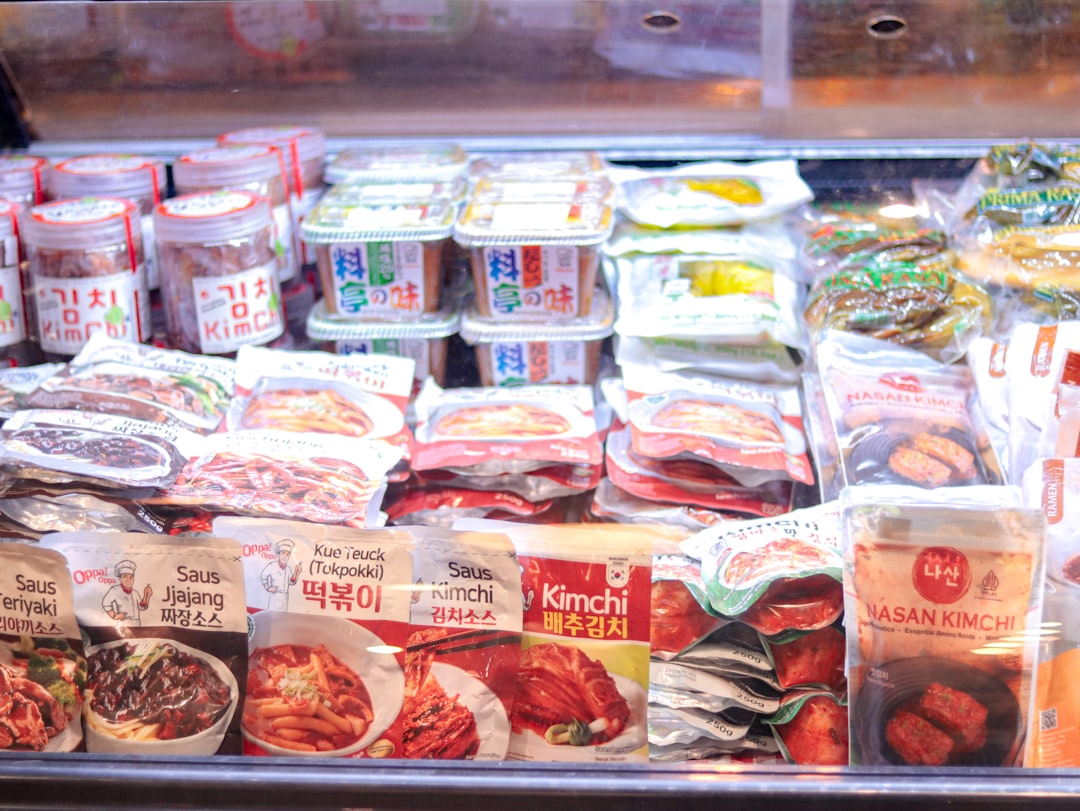
Frozen foods are one of the simplest ways to build quick, lower-cost meals without relying on takeout or last-minute supermarket runs. The most useful frozen staples are not always the flashiest ones. They are the bags, boxes, and basics that stretch across multiple meals, keep well, and give you enough flexibility to cook around weekly grocery deals. This guide explains which frozen foods are usually worth keeping on hand, how to compare store brand vs name brand options, and how to estimate whether a frozen item actually saves money, time, or waste in your kitchen.
Overview
If your goal is better budget freezer meals, the best frozen foods at the supermarket usually share four traits: they are versatile, reasonably priced per serving, easy to portion, and useful in more than one type of meal. That matters more than whether a package looks “premium” or comes with a health claim on the front.
A practical freezer is built around ingredients, not just convenience entrees. Prepared frozen meals can help in a pinch, but they tend to be more expensive per serving and less flexible than simple frozen staples. A better long-term approach is to stock a small rotation of items that can become breakfast, lunch, dinner, or side dishes with only a few pantry add-ons.
The strongest categories to compare in the frozen aisle are:
- Frozen vegetables: mixed vegetables, broccoli, peas, spinach, corn, green beans, peppers, onions
- Frozen fruit: berries, mango, pineapple, mixed fruit, sliced bananas for smoothies or oatmeal
- Proteins: chicken strips, meatballs, shrimp, fish fillets, turkey burgers, plant-based protein depending on your budget and preference
- Carb bases: plain rice, brown rice, potatoes, hash browns, naan, tortillas, frozen cooked grains
- Meal builders: dumplings, ravioli, plain pasta portions, pizza crust, stir-fry blends, soup starters
- Breakfast staples: waffles, pancakes, breakfast sandwiches, sausage patties, though these are best treated as convenience buys rather than freezer essentials
For most households, the most dependable cheap frozen foods are plain vegetables, plain fruit, and one or two proteins that can be portioned easily. Those categories usually deliver the best mix of shelf life, low prep time, and low waste. They also make store brand comparisons easier because ingredient lists are often short and differences between brands can be small.
If you are trying to decide what to buy at the supermarket this week, start with items that can support at least three meals. A bag of frozen broccoli, for example, can work in pasta, rice bowls, soup, or as a side. A bag of frozen berries can become smoothies, yogurt toppings, overnight oats, or a quick dessert. A box of frozen fish fillets can anchor tacos, grain bowls, and sheet pan dinners.
This approach lines up well with weekly grocery deals because you can pair frozen staples with fresh produce that is temporarily cheaper. If you need help spotting those sale patterns, see How to Read Circulars and Spot the Real Deals and Seasonal Produce Guide by Month.
How to estimate
The easiest way to judge healthy frozen grocery picks is to stop asking “Is this cheap?” and start asking “What does this cost me per usable serving?” That one shift makes the frozen aisle easier to navigate.
Use this simple repeatable estimate:
- Check the package size. Look at total ounces, pounds, or grams.
- Check the serving count. Ignore unrealistic serving sizes if needed and estimate how many portions your household would actually eat.
- Note the unit price. Compare cost per ounce or pound, not just shelf price.
- Factor in waste. Frozen food often wins because you use only what you need.
- Factor in convenience. A slightly higher per-serving cost may still be worth it if it replaces takeout or prevents food spoilage.
A basic comparison formula looks like this:
Estimated cost per meal = package price ÷ realistic number of meals the package supports
Then ask three follow-up questions:
- Would I use the whole package before quality drops?
- Could a store brand version do the same job?
- Does this item reduce prep enough to justify its price?
For example, frozen chopped spinach may look more expensive than a fresh bunch at first glance. But if the fresh spinach cooks down heavily, spoils in the crisper, and needs trimming, the frozen version can still be the better value. The same logic applies to berries, peppers, shrimp, and broccoli.
This is where unit price comparison groceries becomes essential. Larger bags are not always better if they are hard to use up, but many family-size frozen vegetables and fruits do offer a better cost per ounce. For a deeper look at label reading and shelf tags, see How to Compare Unit Prices at the Supermarket Without Getting Tricked.
Here is a simple scorecard you can use when comparing frozen food staples:
- Price per ounce: lower is better
- Servings per package: more flexible is better
- Ingredient simplicity: fewer additives is often better for basic staples
- Meal range: more possible uses is better
- Waste risk: lower is better
- Prep savings: more savings can justify a slightly higher cost
When comparing store brand vs name brand frozen food, basic categories usually favor the store brand. Plain peas, corn, broccoli, spinach, berries, and hash browns are often strong candidates for store label buying because flavor and function can be close enough for soups, stir-fries, casseroles, smoothies, and side dishes. More specialized items, such as frozen pizza, dumplings, breaded chicken, or ice cream novelties, may show bigger differences in seasoning, texture, or filling quality, so those categories are better tested one by one.
Inputs and assumptions
To build a freezer that supports quick meals on a budget, it helps to use a few clear assumptions. These are not fixed rules. They are practical filters that make shopping decisions easier.
Assumption 1: Your freezer space is limited.
That means every frozen item should earn its spot. Favor foods that can be used in several ways over foods that solve only one meal.
Assumption 2: You want to reduce both spending and waste.
The cheapest package is not the best buy if nobody likes it or if half of it sits buried in the freezer.
Assumption 3: You need weeknight speed.
A slightly more expensive item can still be a smart buy if it helps you make dinner in 10 to 15 minutes from pantry and freezer basics.
Assumption 4: Nutrition matters, but perfection is not the goal.
Frozen vegetables and fruit are often some of the easiest cheap healthy grocery list items to keep around. For proteins and prepared foods, the label matters more. Look for products that fit your household's preferences on sodium, breading, sauces, allergens, or added sugars.
With those assumptions in mind, these are the frozen food staples most households can evaluate first:
1. Plain frozen vegetables
This is the most dependable freezer category. Mixed vegetables, peas, broccoli florets, green beans, spinach, corn, cauliflower, and stir-fry blends can turn eggs, rice, noodles, and soup into complete meals. They are usually a safe place to start with store brands because the product is straightforward.
Best use cases: fried rice, pasta, soups, sheet pan dinners, omelets, casseroles, grain bowls
What to compare: price per ounce, cut size, steam-in-bag convenience, amount of sauce or seasoning, ice buildup in the bag
2. Frozen fruit
Frozen fruit is especially useful if your household buys fresh fruit with good intentions but struggles to eat it all. Berries, mango, pineapple, cherries, and mixed fruit are reliable for smoothies, yogurt bowls, oatmeal, sauces, and desserts.
Best use cases: smoothies, overnight oats, baking, parfaits, fruit compotes
What to compare: whole fruit vs added syrup, bag size, clumping, amount of small broken pieces, store brand flavor
3. Frozen rice and grains
These save time more than money, so treat them as convenience tools rather than automatic bargains. If a plain frozen grain helps you assemble a meal instead of ordering out, it may still be worthwhile.
Best use cases: grain bowls, burrito bowls, quick stir-fries, lunch prep
What to compare: plain vs seasoned, serving size, sodium, microwave convenience, cost compared with dry rice
4. Frozen potatoes
Hash browns, diced potatoes, fries, tots, and potato wedges can be useful, but the best value usually comes from simpler cuts with minimal seasoning. They are filling, family-friendly, and pair well with eggs or low-cost proteins.
Best use cases: breakfast skillets, sheet pan dinners, side dishes, casseroles
What to compare: oil level, seasoning, crispness, oven vs air fryer performance, price per serving
5. Frozen proteins
This is where budgeting gets more variable. Plain fish fillets, shrimp, meatballs, chicken strips, and turkey burgers can all earn a spot, but the value depends on how often you actually use them. Protein is often the most expensive part of a meal, so buying versatile formats matters.
Best use cases: tacos, pasta, salads, bowls, wraps, soups
What to compare: breaded vs plain, raw vs fully cooked, protein content, sodium, portion size, cost per actual meal
6. Meal shortcuts
Items like ravioli, dumplings, potstickers, veggie burgers, or frozen soup starters can be very useful if they bridge the gap between ingredients and a finished meal. Keep these selective. Choose the ones your household genuinely uses, not the ones that only sound efficient in the store.
Best use cases: emergency dinners, packed lunches, fast one-pan meals
What to compare: filling quality, number of servings, ability to pair with vegetables or broth, store brand consistency
A helpful pattern is to build your freezer in layers:
- Base layer: vegetables and fruit
- Meal layer: one or two starches and one or two proteins
- Backup layer: one or two convenience foods for extra busy nights
That structure keeps your freezer from becoming a storage zone for random sale items that never turn into dinner.
For more on store labels across grocery categories, see Store Brand vs Name Brand: Which Grocery Categories Save the Most Money?.
Worked examples
These examples use simple assumptions rather than current shelf prices. The point is to show how to decide, not to claim one universal answer.
Example 1: Frozen broccoli vs fresh broccoli
Say you regularly cook pasta, rice bowls, and sheet pan meals. Fresh broccoli may be a good buy when it is featured in weekly grocery deals, especially if you plan to use it within a few days. But frozen broccoli can still win if your household needs flexibility. It comes washed, trimmed, and ready to portion. If you often throw out fresh produce at the end of the week, frozen may provide a lower real cost per usable serving even if the sticker price looks higher.
Decision: Buy fresh when it is on sale and you have a specific plan. Keep frozen as insurance for the rest of the month.
Example 2: Store brand berries vs name brand smoothie blend
A plain store brand bag of frozen berries is usually easier to stretch across breakfasts and snacks than a branded smoothie mix with added ingredients or premium packaging. If you mostly use fruit in smoothies, oatmeal, or yogurt, the plain version often gives better value and more flexibility.
Decision: Favor plain fruit unless the specialty blend offers something you truly use, such as a fruit combination your store brand does not carry.
Example 3: Frozen rice cups vs bulk frozen rice bag
Single-serve cups offer strong convenience, especially for lunches, but the cost per serving is often higher than a larger family-style bag or dry pantry rice. If your household needs portable portions and speed, the cups may still be worth it. If you are feeding multiple people, a larger format usually makes more sense.
Decision: Pay for portion convenience only when it solves a real problem.
Example 4: Breaded chicken strips vs plain frozen chicken
Breaded chicken strips can be a practical emergency meal item. They work in wraps, salads, or quick bowls. But if your budget is tight, plain chicken pieces or plain cooked chicken may offer more meal options and fewer extras you did not really want to pay for, such as breading or heavy seasoning.
Decision: Keep one convenience protein if it prevents takeout, but build the rest of your freezer around more flexible proteins.
Example 5: Frozen mixed vegetables vs several separate vegetable bags
A mixed vegetable bag is efficient if you make soup, fried rice, casseroles, or quick side dishes. Separate bags of corn, peas, spinach, and broccoli may cost more overall but offer better control over meal planning. The better choice depends on how you cook.
Decision: Buy mixed vegetables for convenience, then add one or two favorite single vegetables for meals where texture or flavor matters more.
If you are planning a week around these staples, pair them with low-cost pantry basics like pasta, beans, rice, canned tomatoes, broth, tortillas, peanut butter, eggs, or oats. That combination gives you a practical meal plan on a budget without overloading the freezer.
You may also find it useful to cross-check your frozen haul against your broader shopping strategy. These guides can help: Best Cheap Healthy Grocery List for a Week of Meals, How to Choose the Best Grocery Store for Pickup, Delivery, and In-Store Shopping, and How to Avoid Grocery Delivery Markups and Hidden Fees.
When to recalculate
The best frozen food staples for your household can change, so this is a category worth revisiting regularly. Recalculate your freezer lineup when the underlying inputs change, especially:
- When pricing shifts: if a store brand rises in price or a name brand goes on promotion often, your best buy may change
- When household routines change: school lunches, new work schedules, or more meals at home can make convenience products more useful
- When freezer space changes: a fuller freezer means you need items with higher meal value per package
- When fresh produce is abundant: seasonal sales can temporarily make fresh the better choice for some fruits and vegetables
- When your waste patterns become obvious: if certain frozen items sit untouched, replace them with foods you actually cook
A simple monthly reset works well:
- Open the freezer and list what is actually getting used.
- Remove items bought only because they looked like a deal.
- Choose five to eight staples that support at least two meals each.
- Compare store brand and name brand only in those categories.
- Check the weekly ad before restocking.
If you want a practical starter list, begin with this freezer template:
- 2 frozen vegetables you use often
- 1 mixed vegetable blend
- 1 frozen fruit bag
- 1 simple starch such as potatoes or rice
- 1 versatile protein
- 1 convenience backup meal
That is enough to support quick budget meals without turning the freezer into a collection of expensive one-off items. Over time, the goal is not to buy more frozen food. It is to buy a smarter mix of frozen food staples that fit your actual cooking habits, help you make dinner faster, and give you a reliable fallback when fresh ingredients run low.
The frozen aisle rewards calm comparison shopping. Focus on unit price, realistic servings, ingredient simplicity, and meal flexibility. If you do that consistently, you will usually find that the best supermarket prices are attached to plain, adaptable foods rather than heavily marketed ones. That is what makes a freezer useful week after week.