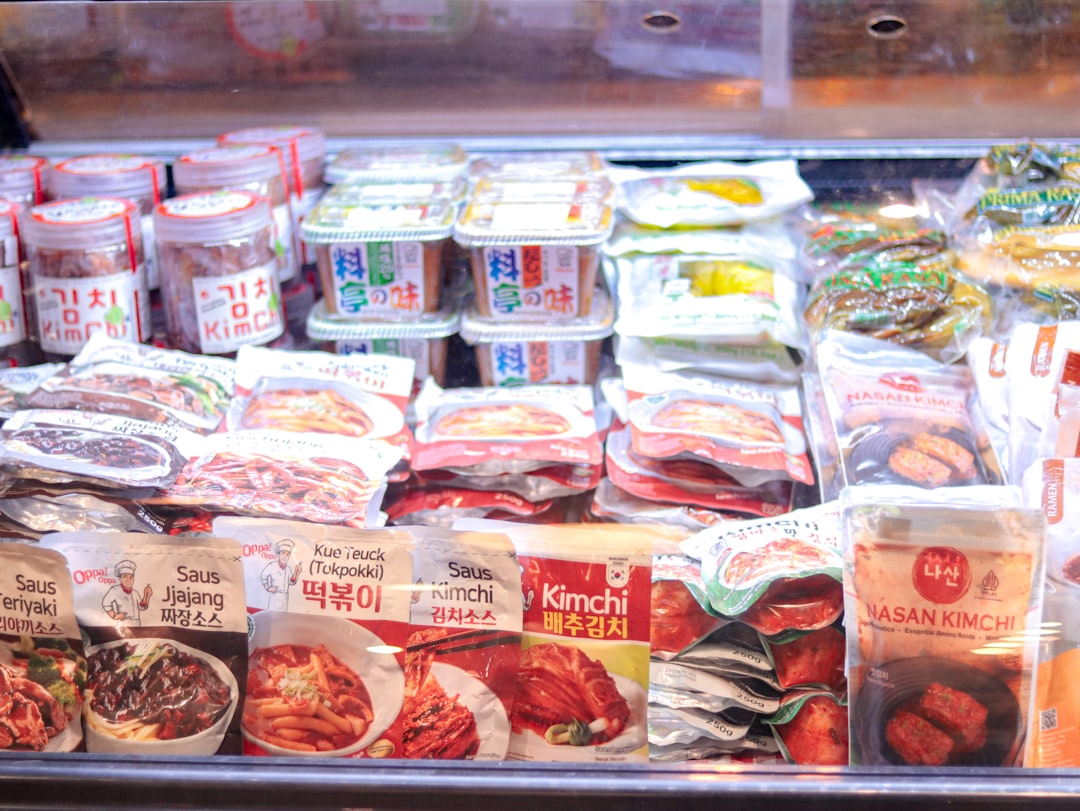
Supermarket meat and egg packages are crowded with terms that sound important but are easy to blur together at the shelf. This guide explains what common labels such as organic, grass-fed, pasture-raised, cage-free, free-range, no antibiotics ever, and natural usually mean in a grocery-store context, where they overlap, and where they do not. The goal is practical: help you compare value, animal-raising claims, and everyday usefulness more confidently, so you can decide what matters most before you pay a premium.
Overview
If you have ever stood in front of the meat case wondering whether organic is better than grass-fed, or whether cage-free eggs are meaningfully different from pasture-raised eggs, you are not alone. Food labels can signal feeding practices, housing conditions, ingredient restrictions, processing limits, or simple marketing language. They do not all tell you the same thing.
The easiest way to read meat labels is to stop treating them as a single quality score. Instead, think of each term as answering one specific question:
- How was the animal fed? This is where labels like grass-fed and vegetarian-fed tend to fit.
- How was the animal raised? This is where terms like cage-free, free-range, and pasture-raised are most relevant.
- Were certain drugs or inputs restricted? This is where claims like no antibiotics ever or organic often matter.
- How was the product processed? This is where labels like minimally processed or uncured may appear.
- Is the claim tightly defined or more general? Some labels are specific and easier to compare; others are broad and less useful on their own.
That framework helps cut through a common shopping mistake: assuming one attractive label covers everything. It usually does not. Organic does not automatically mean grass-fed. Grass-fed does not automatically mean organic. Cage-free does not mean outdoor access in the same way many shoppers imagine. Natural, in particular, often tells you less than people expect.
This is why a standing reference guide is useful. The wording on packages changes, store-brand options expand, and price gaps between conventional and specialty items move over time. The basic comparison questions, however, stay the same.
How to compare options
The fastest way to compare meat and egg labels is to decide your priority before you shop. Most shoppers are balancing some mix of budget, flavor, intended recipe, feeding practices, and animal-raising preferences. When you know which of those matters most for a specific purchase, labels become easier to sort.
Use this shelf-side checklist:
- Start with the cut or product itself. A better label cannot rescue a cut that does not fit your recipe. For example, paying more for a premium ground beef option may matter less in a heavily seasoned chili than in a simple burger.
- Read the full front label, then the smaller print. Packages often combine multiple claims. One tray might say organic and free-range, while another says pasture-raised and no antibiotics ever. Do not assume the biggest word tells the whole story.
- Compare by category, not across unrelated products. Compare egg labels against egg labels, chicken thighs against chicken thighs, and ground beef against ground beef. Otherwise, price differences become hard to interpret.
- Check unit price. Premium labels can change package sizes and make direct price comparison harder. Comparing by price per pound or per dozen is usually more useful than comparing sticker price alone. For a refresher, see How to Compare Unit Prices at the Supermarket Without Getting Tricked.
- Separate meaningful claims from feel-good wording. If a label sounds appealing but does not clearly tell you something about feed, housing, or processing, treat it cautiously.
- Match the premium to the use. If you are buying everyday sandwich turkey, stock-up chicken, or eggs for baking, your best value choice may differ from what you buy for a weekend breakfast or a simple roast.
It also helps to remember that label value is personal. One shopper may prioritize feed standards. Another may care most about outdoor access. Another may simply want the best supermarket prices on a dependable store brand. There is no universal best label; there is only the best fit for the purchase in front of you.
If saving money is part of the goal, combine label comparison with timing and promotions. Specialty meats and eggs do appear in supermarket deals, but the discount only matters if the product aligns with what you actually want. These guides can help you stack the decision: Best Times of the Month to Buy Meat, Produce, and Pantry Staples, Weekly Grocery Ad Guide: How to Read Circulars and Spot the Real Deals, and Aisle-by-Aisle Grocery Savings Checklist for Every Supermarket Trip.
Feature-by-feature breakdown
Below is a practical meat labels explained reference. These are shopper-friendly distinctions, not legal advice. The useful question is always: what does this label tell me, and what does it leave unanswered?
Organic
Usually signals: a broader production standard that can cover feed and some production practices.
What it is helpful for: Shoppers who want one label that covers multiple restrictions rather than a single attribute.
What it does not automatically tell you: That the product is grass-fed, pasture-raised, or the most flavorful option for your recipe.
In the organic vs grass fed comparison, the key distinction is scope. Organic generally refers to a wider production approach, while grass-fed refers specifically to diet. A package can be organic without being grass-fed, and grass-fed without being organic. If your priority is what the animal ate, grass-fed is the more direct label. If your priority is a broader standard, organic may be more relevant.
Grass-fed
Usually signals: the animal's diet emphasized grass or forage rather than a conventional grain-heavy approach.
What it is helpful for: Beef shoppers comparing feeding practices, and shoppers who prefer this style for taste or personal preference.
What it does not automatically tell you: That the product is organic, pasture-raised for its entire life, leaner in a way that suits every recipe, or worth any price premium.
Grass-fed is one of the clearest examples of a label that answers one question very well while leaving other questions open. For many shoppers, that is enough. For others, it is only part of the picture.
Grass-finished
Usually signals: a more specific version of grass-fed, often used to indicate the animal stayed on a forage-based diet through the finishing period.
What it is helpful for: Shoppers who want a stricter feed claim than grass-fed alone.
What it does not automatically tell you: Whether the product is organic or how it compares on tenderness, marbling, or value for your intended dish.
Not every shopper needs this distinction, but it can matter if you are comparing several beef packages that all use grass-related wording.
Pasture-raised
Usually signals: access to pasture and a more outdoor-oriented raising system.
What it is helpful for: Egg shoppers and poultry shoppers focused on outdoor access and raising conditions.
What it does not automatically tell you: That the feed was organic or that the product will always taste dramatically different.
This term is often especially important in eggs. Many shoppers see it as a stronger outdoor-access signal than cage-free meaning eggs or even free-range on its own. But as always, read the whole carton; one claim rarely tells the entire story.
Cage-free
Usually signals: hens were not kept in cages.
What it is helpful for: Shoppers who want to avoid conventional caged-egg systems.
What it does not automatically tell you: That hens had meaningful outdoor access, pasture access, or organic feed.
The simplest way to understand cage free meaning eggs is this: it tells you something about cage use, not everything about the birds' living environment. Many shoppers read more into the term than it reliably communicates. It can be a useful minimum standard for your shopping, but it should not be confused with pasture-raised.
Free-range
Usually signals: some level of access outside, commonly used for poultry and eggs.
What it is helpful for: Shoppers who want an outdoor-access claim stronger than cage-free.
What it does not automatically tell you: How much outdoor access, how often it occurred, pasture quality, feed standards, or how noticeable any difference will be in finished dishes.
Free-range sounds straightforward, but it still leaves room for interpretation. In practical shopping terms, it is best used as one comparison point, not a complete answer.
No antibiotics ever / raised without antibiotics
Usually signals: an antibiotic-related restriction in how the animal was raised.
What it is helpful for: Shoppers who consider antibiotic use a top concern.
What it does not automatically tell you: Anything specific about feed, outdoor access, or whether the product is organic.
This is a focused claim. It can matter a lot if it aligns with your priorities, but it should not be mistaken for a full welfare or feeding standard.
No added hormones
Usually signals: a hormone-related claim, most commonly seen on some meat products.
What it is helpful for: Shoppers comparing similar products where hormone claims are part of the package information.
What it does not automatically tell you: Anything about feed, housing, organic status, or overall quality.
Like many front-of-pack phrases, this one is best read narrowly. It may help you compare two similar items, but it should not outweigh factors like freshness, cut, and unit price unless it reflects a clear personal priority.
Natural
Usually signals: a limited processing-style claim rather than a full raising standard.
What it is helpful for: Very little on its own.
What it does not automatically tell you: Organic practices, pasture access, grass feeding, antibiotic restrictions, or superior quality.
For many shoppers, natural is the label to treat most cautiously. It can sound meaningful while saying far less than expected. If natural is the only standout phrase on a package, keep reading before paying extra.
Vegetarian-fed
Usually signals: a feed-related claim, often used on eggs or poultry.
What it is helpful for: Shoppers with a specific preference about feed inputs.
What it does not automatically tell you: Cage-free status, pasture access, organic status, or broader welfare standards.
This is another narrow claim that can be useful if it matters to you, but it should not be read as a shorthand for premium in every category.
Store brand specialty labels
Usually signals: a retailer's attempt to package several claims into one house-brand line.
What it is helpful for: Finding better value if the store brand offers the specific standards you want.
What it does not automatically tell you: That the product is equivalent to every national brand making similar claims.
For budget-minded shoppers, this is where some of the best opportunities live. A store-brand carton of pasture-raised eggs or a store-brand organic chicken option may deliver the attributes you want at a lower price than a heavily branded competitor. The comparison still has to be claim by claim. If you routinely weigh store brand vs name brand purchases, this is one of the most worthwhile categories to revisit.
Best fit by scenario
The right label depends on what you are cooking, what you care about, and how much flexibility you have in your grocery budget. These common scenarios can make the choice easier.
If your top priority is the lowest cost
Start with conventional products, compare unit prices, and avoid paying for labels you do not personally value. If you want one upgrade without a large jump, look for store-brand specialty lines on promotion. This is often a better path than automatically buying the most heavily marketed premium option.
If your top priority is feeding standards for beef
Focus on the organic vs grass fed distinction. Choose grass-fed when diet is your main concern. Choose organic when you want a broader production claim. Choose products that combine both only if both matter enough to justify the extra cost.
If your top priority is egg housing conditions
Move beyond cage-free alone and compare cage-free, free-range, and pasture-raised carefully. In many supermarkets, pasture-raised is the label shoppers use when they want the strongest outdoor-living signal on the carton. For baking or hard-boiling, you may decide cage-free is an acceptable middle ground. For everyday savings, buy the best label that fits your budget when weekly grocery deals line up.
If your top priority is meal planning on a budget
Be selective about where you pay more. A premium steak or breakfast egg may be worth it to you, while chicken for soup, taco meat, or casseroles may not need the same level of upgrade. Planning meals around what is on sale often stretches your budget more than committing to one label across every protein you buy. See How to Plan Meals Around What Is on Sale This Week.
If your top priority is a practical middle ground
Choose one or two standards you care about most and let the rest be flexible. For example, you might buy pasture-raised eggs but conventional chicken thighs when chicken is expensive, or organic ground beef only when it appears in supermarket deals. This approach is often more sustainable than trying to shop every category at the highest standard all the time.
If you shop online for pickup or delivery
Read product titles carefully and zoom in on package photos if available. Online listings can flatten important differences between labels, especially for eggs and poultry. If substitutions are allowed, set a clear backup choice so you do not end up paying for a label you did not intend to buy. These guides may help: How to Choose the Best Grocery Store for Pickup, Delivery, and In-Store Shopping and How to Avoid Grocery Delivery Markups and Hidden Fees.
When to revisit
This is a topic worth revisiting whenever prices, product lines, or your own priorities change. A label that was too expensive to consider last season may become reasonable during a promotion. A store may add a new store-brand organic or pasture-raised option that undercuts a national brand. Or your household may simply start using meat and eggs differently, making some premiums more worthwhile than others.
Come back to this comparison when:
- Your store adds new options. Specialty private-label products can shift the value equation quickly.
- Weekly ad grocery promotions change the price gap. Premium labels are easier to justify when the spread narrows.
- You switch shopping formats. In-store, pickup, and delivery can present different product availability.
- You start cooking differently. A simple roast chicken dinner may make label and flavor differences matter more than a slow cooker stew does.
- You want to tighten your grocery budget. Rechecking which labels matter most can uncover easy savings.
On your next trip, try this simple action plan:
- Pick one category only: eggs, chicken, beef, or pork.
- Choose your top priority: cost, feed, housing, or broad production standard.
- Compare only products that meet that priority.
- Use the unit price to judge the premium.
- Buy the lowest-cost option that matches what actually matters to you.
That small routine turns food labels grocery shopping from a vague impression game into a clear comparison. You do not need to memorize every term in the meat case. You only need to know which question each label answers, which questions it leaves open, and whether the difference is worth paying for today.
For broader shopping strategy, pair this guide with Best Times of the Month to Buy Meat, Produce, and Pantry Staples, Weekly Grocery Ad Guide: How to Read Circulars and Spot the Real Deals, and How to Compare Unit Prices at the Supermarket Without Getting Tricked. Those tools help you connect label knowledge with everyday grocery savings tips, not just shelf-side theory.