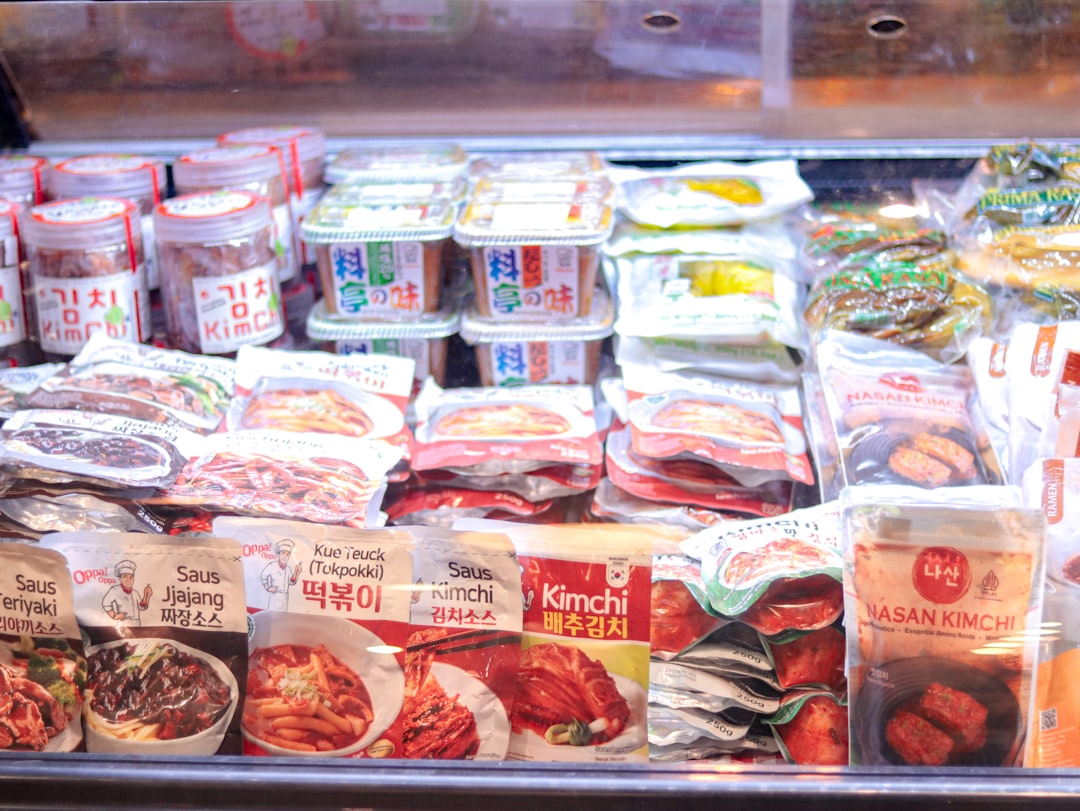
California’s push to convert some fallowed farmland into solar farms is more than an energy story. It is also a supermarket story, a water story, and a local food supply story that can affect what shoppers see in the produce aisle over the next few seasons. Farmers in water-stressed parts of the state are being forced to rethink land that once grew vegetables, nuts, and forage, and a growing number are choosing long-term solar leases over uncertain crop production. That shift can improve farm income and support clean energy goals, but it may also reshape supermarket sourcing, alter the mix of local vegetables available near you, and change how retailers balance California-grown supply against imports and other domestic regions. For shoppers trying to save money while buying fresh, the practical question is simple: what happens to prices and availability when climate pressure, water restrictions, and land use decisions all collide?
This guide breaks down the California solar push, explains the short- and long-term effects on produce availability and prices, and offers budget-smart strategies for shoppers who want to keep supporting local produce. If you care about where your food comes from, how retailers source it, and how to make the most of weekly deals, you’ll also find useful tactics in our guides on smart grocery substitutions, price volatility and deals, and community food programs.
1. Why California Farmers Are Turning Fallowed Land Into Solar
Water restrictions changed the economics of farming
In the Central Valley and other irrigated farming regions, water is the deciding factor behind crop choices, acreage, and profit. As groundwater rules tighten and drought cycles persist, many growers are leaving land fallow because the water required to keep marginal acreage productive is no longer available at a sensible cost. In that environment, solar leases can become a financial lifeline: they provide predictable income, require far less water, and reduce the risk of planting a crop that may never make it to harvest. That is why the trend is often framed not as a wholesale abandonment of agriculture, but as a response to an increasingly constrained operating model for California farmers.
What makes this shift important for grocery shoppers is that the land most likely to be converted is often land that is already struggling to produce consistent yields. That means some solar development may replace acreage that was not a reliable source of produce in the first place. Still, even low-performing acreage can matter to the broader local food supply because total planted area affects the scale, resilience, and pricing power of regional growers. When enough acres leave production, supermarket buyers lose some of the flexibility that helps keep store shelves filled with California vegetables during peak and shoulder seasons. For a retail lens on shifting supply conditions, see how inventory rules can change pricing outcomes.
Solar is becoming part of farm survival strategy
Many California growers are not choosing between “farming” and “not farming” in a simple way. They are deciding how to keep land economically useful when water restrictions, labor costs, fuel, fertilizer, and weather volatility all push margins lower. Solar helps farms diversify income, stabilize cash flow, and sometimes power on-farm operations through agrivoltaics or energy credits. For some operations, that can mean the difference between keeping the rest of the farm running and shutting down entirely. In other words, solar on fallowed land may preserve the broader farm enterprise even if a portion of acreage leaves active produce production.
That distinction matters to shoppers because not every solar conversion equals a food loss, but every conversion changes the calculus of regional supply. A farm that survives with solar income may continue to grow high-value crops on its best ground, while marginal parcels are repurposed. This can actually protect some local production over time, especially if the alternative is selling the entire farm or letting the business fail. At the same time, shoppers should expect more variability in what’s local, when it’s local, and how much it costs, particularly for water-intensive crops. If you want to understand how weather and supply shocks affect retail pricing, our guide to transport costs and pricing is a useful companion read.
The NPR story highlights a larger land-use pivot
The NPR report on farmers backing a giant solar farm in the San Joaquin Valley captures a bigger California debate: how to use land that can no longer be farmed reliably under current water rules. That debate is not just about energy infrastructure, but about the future of working landscapes. Should low-yield acreage remain in agriculture at all costs, or should some of it be redirected to uses that better match water realities? Supporters argue that solar can keep rural economies afloat, reduce emissions, and support local tax bases. Critics worry about permanently removing farmland from the agricultural system and weakening the state’s future food resilience.
For shoppers, the key takeaway is not to treat this as a binary yes-or-no issue. It is a tradeoff between land efficiency, financial resilience, and food production capacity. California remains a major source of vegetables, fruit, and nuts for the U.S., so any policy that changes acreage can ripple through supermarket sourcing far beyond state borders. This is why retailers, wholesalers, and distributors monitor acreage decisions closely when planning seasonal orders. If you track value across categories, our article on cost pressures and prices explains how broader market shifts filter down to consumers.
2. What Happens to Produce Availability in the Short Term
Expect regional changes before national shortages
In the short term, shoppers are unlikely to see an immediate empty shelf because one parcel of farmland switched to solar. Produce systems are too large and too geographically diverse for a single land-use change to create overnight shortages. Instead, the first effects usually show up as regional shifts: certain stores in California or nearby states may see less locally grown supply, more substitutions, or tighter promotional calendars. The categories most likely to feel pressure are crops tied closely to California’s climate, water use, and seasonal harvest windows.
Retail buyers respond by sourcing from alternative California regions, then from Arizona, Mexico, and other domestic growing areas. That keeps product moving, but it can raise landed costs and reduce freshness windows. Supermarkets may also reduce the number of varieties carried for a given item, especially if demand doesn’t justify extra handling. For example, a retailer may still stock tomatoes, lettuce, and spinach, but shift from several local suppliers to a smaller pool of larger regional shippers. To understand how retailers decide which products to emphasize, see our guide to inventory rules and shelf pricing.
Local produce may become more seasonal and more premium
When supply is tighter, local produce often becomes more seasonal, less predictable, and sometimes more expensive. That does not always mean “unaffordable,” but it can mean that the best-priced local carrots, greens, or herbs are available only during narrower windows, especially when harvest quality is high and transport costs are favorable. Shoppers who rely on weekly specials may notice that California-grown items appear in smaller quantities or with shorter sale periods. That’s because retailers need to protect margins when the number of available growers is reduced.
For budget-conscious households, the practical effect is a tradeoff: local may still be worth buying, but the timing matters more. Buying in season becomes essential, and meal planning should adjust to what is actually abundant. A smart example is building around a discounted vegetable and stretching it across multiple meals. Our guide on turning one pot of beans into three meals shows how to make one budget ingredient go further, and the same principle applies to produce when local supplies fluctuate.
Retailers will use substitutions and flexible sourcing
When a favorite local item becomes scarce, supermarket sourcing teams usually respond with substitution, not disappearance. If California celery becomes tight, buyers may source from another region with comparable quality. If one lettuce shipper tightens allocations, retailers may increase private-label promotions on another leafy green. This keeps stores stocked, but it can also blur the meaning of “local” for shoppers. In practical terms, the produce department may still look full even though the supply chain behind it has become more dispersed and more expensive.
This is where price-sensitive shoppers need to pay attention to labels, origins, and unit pricing. If you want truly local produce, check the pack date, farm name, and state of origin rather than assuming a display is locally sourced. If you want the lowest price, compare the sale item with the replacement item rather than just the advertised brand. Our article on budget-friendly shopping choices is a helpful mindset guide for making quick substitutions without overspending.
3. Long-Term Effects on California Produce and Farm Structure
Fewer acres in vegetables can mean stronger concentration
Over time, when more fallowed land shifts to solar, the agricultural footprint becomes more concentrated on the best water access, the best soils, and the most resilient farm operators. That can be good for efficiency but risky for diversity. Smaller farms and mixed-crop operations often have less room to absorb long periods of low margin, and the result can be consolidation into larger, capitalized growers. A more concentrated agricultural system may be efficient for supermarket sourcing, but it can also reduce the number of local suppliers a retailer can call when weather disruptions hit.
For consumers, the long-term effect may be less about absolute scarcity and more about reduced redundancy. If there are fewer independent growers, any drought, frost, labor problem, or transportation issue has a larger market impact. That makes prices more volatile and promotions less generous. It also makes it harder for retailers to feature a broad selection of local produce across the season. If you’ve noticed that many consumer categories are becoming more sensitive to supply shocks, our piece on supply chain resilience provides a useful framework for understanding why.
Solar revenue can keep some farms in the produce business
Not every solar conversion is a loss for local food. In some cases, solar income allows the farm to keep irrigating the most productive acreage, invest in better drip systems, or hold onto labor and equipment that would otherwise be sold off. That can preserve local produce availability on the land that remains in production. For shoppers, this may mean fewer acres overall, but better quality and more stable supply from the remaining acres. The farm becomes smaller in footprint but stronger in financial survival.
This is especially important in a state where water restrictions are likely to remain part of the long-term operating environment. California’s future agricultural system may look less like “every acre in crops” and more like a portfolio: some land grows food, some supports energy, and some is managed for ecological or water reasons. That portfolio model may be the most realistic version of sustainable farming in arid regions. For a broader sustainability lens, see trends in sustainable infrastructure and how resource-conscious design changes long-term costs.
Agrivoltaics may soften the food-versus-energy tradeoff
Some solar projects allow limited cropping or grazing beneath panels, a model often called agrivoltaics. While not every crop is compatible with panel spacing and shade patterns, this approach can preserve some land use value and reduce the “all or nothing” choice between food and energy. In a California context, agrivoltaics may be especially useful for certain specialty crops, pollinator habitat, or water-saving practices. It won’t replace every lost vegetable acre, but it can reduce the scale of food displacement.
The best-case scenario for shoppers is a landscape where more farms stay solvent, more marginal land becomes dual-use, and retailers still have access to a reliable local food supply. The worst case is a slow erosion of crop acreage without enough innovation or coordination to keep supply diverse. That is why supermarket buyers, water planners, and growers increasingly need to make decisions together rather than in isolation. A useful way to think about this is similar to how businesses align investment choices with long-term value, as explored in strategic partnership decisions.
4. How Solar Conversion Affects Supermarket Sourcing
Buyers become more dependent on contracts and forecasting
When local acreage shrinks or shifts into solar, supermarket buyers have less room for last-minute sourcing. They need better demand forecasting, stronger grower relationships, and more contract discipline. That often means locking in volumes earlier, paying more attention to seasonal planning, and spreading risk across multiple regions. This is good for supply continuity, but it can reduce flexibility for local promotions and “surprise” produce deals.
For consumers, this means that the produce aisle increasingly reflects planning decisions made months earlier. If you want to understand why certain items suddenly become feature ads while others disappear, it is often because the retailer has already matched expected supply with promotional calendars. The same logic appears in other sectors when pricing windows tighten, as in our guide to timing promotions strategically. In groceries, the calendar is harvest-driven rather than publicity-driven, but the concept is similar: timing matters.
Private label and “good enough” quality become more important
As sourcing gets more complicated, supermarkets may lean harder into private label produce packs, value bundles, and standardized grades. That can help keep shelf prices competitive, but it often comes at the cost of variety. In other words, you may see fewer boutique farm names and more consistent mid-tier offerings. For many shoppers, that is a fair trade if prices stay low and the produce is good enough for everyday cooking. For others, especially shoppers who prioritize local origin, the loss of transparency may be frustrating.
A savvy response is to compare the pack size, farm origin, and quality tier rather than assuming a private label item is always lower value. Sometimes the store brand is the better buy; sometimes the branded local item is fresher and lasts longer, which makes it cheaper per usable serving. Use the same approach you would when evaluating any price-sensitive category. We discuss that mindset in offer evaluation checklists and buying at true value.
Imported and out-of-state produce may fill more of the gap
If California supply becomes tighter in a category, supermarkets will use more produce from other states or countries. That can stabilize shelves and sometimes lower prices if another region has a bumper crop, but it also introduces transport time, fuel costs, and quality variability. Shoppers might notice firmer fruit, shorter shelf life, or more packaging designed to protect produce during transit. For the retailer, this is often an acceptable compromise. For shoppers, it means that “fresh” may increasingly mean “recently sourced,” not necessarily “grown nearby.”
When transport costs rise, those expenses flow into grocery pricing. That is why local food availability and shelf prices are linked to diesel, logistics, and packaging, not just farm yields. For a more detailed look at that relationship, see our article on shipping and transport costs. In grocery retail, the cheapest product is not always the cheapest to deliver, store, or keep fresh.
5. What the Price Impact Could Look Like for Shoppers
Produce inflation is likely uneven, not universal
Solar conversion of fallowed farmland is unlikely to create a simple across-the-board spike in all produce prices. Instead, price changes will be uneven. Water-intensive vegetables, specialty crops with limited growing regions, and items heavily dependent on California acreage may see more pressure than commodities with broader national supply. Some produce categories may remain stable if other regions have strong harvests, while others could become more expensive during weather disruptions or labor shortages. That makes tracking weekly deals more important than ever.
For shoppers, the main lesson is to buy based on current value, not assumptions about what “should” be cheap. A lettuce sale may be weak one week and excellent the next. A California tomato deal may be scarce in early summer but abundant later in the season. If you want to optimize around current prices, use supermarket deal pages, compare unit pricing, and plan meals around the best-value produce rather than sticking rigidly to a list. That is the same approach that saves money in other inflation-sensitive categories, as discussed in market adjustment guides.
Local food can cost more, but it can also waste less
One of the hidden costs in produce is spoilage. Local food often arrives fresher and can last longer once you bring it home, which improves effective value even if the sticker price is slightly higher. If a local bunch of herbs lasts twice as long as a cheaper imported bunch, the real cost per meal may favor the local option. This is why value shoppers should think in terms of usable servings rather than shelf price alone. A slightly more expensive item can actually be a smarter purchase if it reduces waste.
The practical fix is to shop with a plan: use what you buy quickly, store it properly, and build meals around the ingredients with the shortest shelf life. That kind of low-waste cooking is one of the best defenses against price increases. It is also why we recommend flexible meal planning strategies like those in our bean meal prep guide. Pairing produce with pantry staples is one of the easiest ways to keep dinner costs under control.
Promotions will matter more than brand loyalty
As sourcing becomes more expensive and less predictable, shoppers will benefit less from brand loyalty and more from promotion awareness. The best savings often come from buying what is in season, what is overstocked, or what is sourced from a nearby growing region with lower transport costs. If local asparagus is on sale, buy it and plan around it. If California strawberries are expensive but another berry is discounted, switch without hesitation. This is the most practical way to protect your grocery budget while still supporting sustainable farming when possible.
To make that easier, compare flyers across nearby stores and check pickup or delivery availability before you leave the house. A deal is only a deal if you can actually get it. That planning mindset is especially useful in markets where supply conditions can change quickly, and it pairs well with broader budgeting tactics in our guide to cost-aware meal choices.
6. How to Support Local Produce Without Overspending
Buy seasonally and cook around the deal
The easiest way to support local produce affordably is to buy what is naturally abundant right now. Seasonal produce is usually cheaper because growers have more volume, retailers have better supply, and the product often needs less long-haul transport. If you see a strong weekly special on California citrus, greens, tomatoes, or melons, build meals around that item first. Then add affordable staples like rice, pasta, beans, tortillas, eggs, and canned tomatoes to stretch the value.
This approach keeps your basket aligned with the local food supply rather than fighting it. It also makes meal planning simpler because you are choosing from what is available, not hoping a specific item will be cheap every week. For simple menu ideas that stretch a single ingredient across multiple meals, revisit how to turn one pot of beans into three different meals. The same strategy works beautifully with discounted produce.
Use unit price, not just sale tags
Sale signs can be misleading when package sizes change. A smaller bag of local salad greens may look cheaper than a larger imported bag, but the unit price may tell a different story. Always compare price per ounce or per pound, especially for produce sold in clamshells, pre-cut packs, or bundled specials. That one habit can save a surprising amount over a month of grocery trips.
Unit pricing is also useful when deciding whether a premium local item is worth the extra cost. If the item is fresher, lasts longer, or replaces a more processed alternative, the higher sticker price may be justified. This is the same sort of practical evaluation we recommend in value-checking guides. Use the same discipline in the produce aisle.
Mix local favorites with smart substitutes
You do not have to buy every item locally to support local agriculture. A more affordable approach is to prioritize local for the items that matter most to you, then fill in the rest with lower-cost options. For example, buy local lettuce when it is on sale, but choose imported bananas if they are much cheaper. Or buy California berries during peak season and rely on frozen fruit or other fresh fruit later. This hybrid strategy helps you stay within budget while still steering money toward local growers when it makes sense.
Think of it as a flexible basket rather than an all-or-nothing identity choice. That flexibility matters especially when water restrictions make local supply uneven. If you want additional budget inspiration, our article on smart substitutions under price pressure offers a similar framework for managing rising costs without sacrificing quality.
7. A Practical Comparison: Food Production vs. Solar Leasing
The table below summarizes how a parcel of fallowed farmland can affect shoppers and supermarkets depending on whether it remains in low-intensity crop use or moves into solar. The right choice depends on land quality, water access, farmer finances, and regional food needs. For consumers, the real issue is not ideology; it is how each land use shows up in availability, freshness, and price at the store.
| Factor | Keep Land in Crop Production | Convert Fallowed Land to Solar | What Shoppers May Notice |
|---|---|---|---|
| Water demand | Continues, often high for vegetables | Very low after construction | More resilience to drought, but fewer crops grown on that acreage |
| Farmer income | Depends on yields, prices, labor, and weather | More predictable lease revenue | More farms may survive financially, preserving some local sourcing |
| Local produce supply | Maintains acreage and nearby harvests | Reduces total planted land | Some items may become less available or more seasonal |
| Retail sourcing | Can rely on local contracts and short transport | Requires more regional substitution | Stores may carry more imported or out-of-state produce |
| Price stability | Can be stable if water and yields hold | May improve farm stability but tighten product supply | More variable pricing, especially in water-sensitive categories |
| Sustainability | Food production preserved, but water use remains a concern | Cleaner energy and lower water use, but land tradeoff exists | Shoppers may see more sustainable sourcing claims and dual-use projects |
8. What Shoppers Can Do Right Now
Track local origin labels and weekly circulars
If you want to support local produce while staying on budget, start by reading origin labels carefully. Many supermarkets clearly mark state, region, or farm information on produce signs and packaging. Check weekly ads for California-grown items, then compare the deal against non-local alternatives. Often, the best value comes from a seasonal local item on promotion rather than a premium product carried out of habit. Shopping with a plan keeps you in control when supply shifts from week to week.
It also helps to use local-first marketplace tools that show current supermarket deals, pickup windows, and nearby store inventory before you leave home. That saves fuel, avoids sold-out frustration, and makes it easier to compare prices across stores. Retail efficiency matters just as much as product choice. For broader context on how operational changes affect consumers, see market deal dynamics and inventory and pricing rules.
Prioritize products with high freshness value
When local produce is available, prioritize items where freshness clearly improves quality and reduces waste: herbs, leafy greens, berries, peaches, tomatoes, and corn are common examples. These products often taste better and last longer when they are closer to harvest. That makes them a smart place to spend a little more if the price difference is modest. In many cases, you can offset the extra cost by choosing cheaper pantry partners like grains, beans, or eggs.
One practical method is to buy a small amount of premium local produce and use it as the flavor anchor for a larger meal. A handful of fresh tomatoes can elevate pasta, rice bowls, or toast-based dinners. This style of cooking turns a smaller expensive purchase into a larger meal with better total value. If you like this approach, explore value-based meal stretching for more ideas.
Support farms through the right buying habits
Supporting local food supply does not always mean paying the absolute highest price. It means buying local when it is competitively priced, choosing peak season products, and avoiding waste. It also means being flexible enough to swap items when drought, heat, or land-use changes tighten supply. If your store offers pickup or delivery, use it strategically to avoid impulse buys and stick to the items you actually planned to purchase. That protects your budget and supports the growers most connected to your region.
Pro Tip: The best way to support California farmers affordably is to buy the local item that is in season and on sale, then build your meals around it. That gives you freshness, value, and the highest chance of avoiding waste.
9. The Bigger Picture for Sustainability and Food Security
Solar and food do not have to be enemies
The strongest version of this debate is not “food versus solar.” It is “how do we use scarce water and land in a way that keeps farms alive, supports clean energy, and protects access to affordable produce?” California’s landscape is already being reshaped by climate, regulation, and economics. Solar on fallowed land is one of the clearest examples of that adaptation. For shoppers, the challenge is to understand the tradeoffs without assuming that every acre lost to energy equals a permanent food shortage.
In practice, the future may include a mix of fully converted solar fields, agrivoltaic systems, preserved high-value farmland, and more strategic sourcing by supermarkets. That mix can work if planners, growers, and retailers stay aligned. It can fail if local food production shrinks faster than supply chains adapt. That is why the issue deserves ongoing attention, not just one news cycle. Broader systems thinking appears in other sectors too, as in our pieces on community food programs and sustainable infrastructure.
Food security depends on flexibility
Consumers often think food security means finding the same item at the same price every week. In reality, it means having enough options to feed your household well even when supply changes. Solar conversion on fallowed land is one more reminder that resilient food systems need flexibility in what grows, where it grows, and how retailers source it. If a region becomes more water-stressed, the system has to adapt rather than pretending conditions are unchanged.
For shoppers, flexibility means knowing when to switch produce types, when to buy frozen, when to stock up, and when to take the better deal from a nearby store even if it is not your usual one. That kind of adaptability is the best hedge against price shocks. It is also the best way to keep supporting sustainable farming in a changing climate. For more practical consumer tactics, see budget-conscious grocery strategies and related deal guides.
FAQ
Will turning fallowed farmland into solar reduce grocery produce immediately?
Usually not immediately. The first effects are more often regional and seasonal, not instant shortages. Stores can shift sourcing to other California regions, other U.S. states, or imports. Over time, though, if enough acreage leaves production, shoppers may see fewer local options and more frequent price changes in certain produce categories.
Does solar on farmland always mean less food production?
Not always. Some land is already fallowed because it cannot be farmed reliably under current water restrictions. In those cases, solar may replace land that was not producing much food anyway. In other situations, solar leases can help keep the rest of the farm operating, which can preserve more produce production overall.
Which produce items are most likely to feel the biggest price pressure?
Water-intensive vegetables, specialty crops with limited growing regions, and items heavily dependent on California acreage are usually the most vulnerable. Leafy greens, some berries, tomatoes, and other high-turnover items can be affected when supply tightens. The exact impact depends on season, weather, and how much other growing regions can fill the gap.
How can I support California farmers without paying too much?
Buy in-season produce, watch weekly ads, compare unit prices, and prioritize local items when they are on promotion. Pair those purchases with inexpensive pantry staples so your meals stay affordable. You can also reduce waste by choosing produce you’ll use quickly and storing it properly.
Is agrivoltaics a real solution for the food-versus-solar tradeoff?
It can help, but it is not a universal fix. Some crops and farming systems work better with panel spacing and partial shade than others. Agrivoltaics is most promising as part of a broader strategy that includes water efficiency, farmland preservation, and thoughtful retail sourcing.
How do I tell if a store’s “local” produce is actually local?
Check the origin label, farm name, and pack or harvest information when available. Don’t rely only on display signage. If the store has a digital inventory or product detail page, that can also help you compare origin, price, and freshness before you shop.
Related Reading
- How New Retail Inventory Rules Could Mean More Discounts — Or Higher Prices - Learn how retail supply decisions flow through to the shelf price you pay.
- Navigating the Amazon Job Cuts: What It Means for Deals and Prices - A practical look at how market shocks can reshape consumer pricing.
- Shipping Shock: How Rising Diesel and Transport Costs Should Change Your Merch Pricing and Promo Calendars - Understand why logistics matter so much in grocery pricing.
- How a Mission-Based National Health Strategy Could Change School Lunches and Community Food Programs - See how public food policy can influence access and affordability.
- Trends in Sustainable Homes: How New Builds Are Changing Living Spaces - Explore the broader sustainability trends shaping consumer decisions.