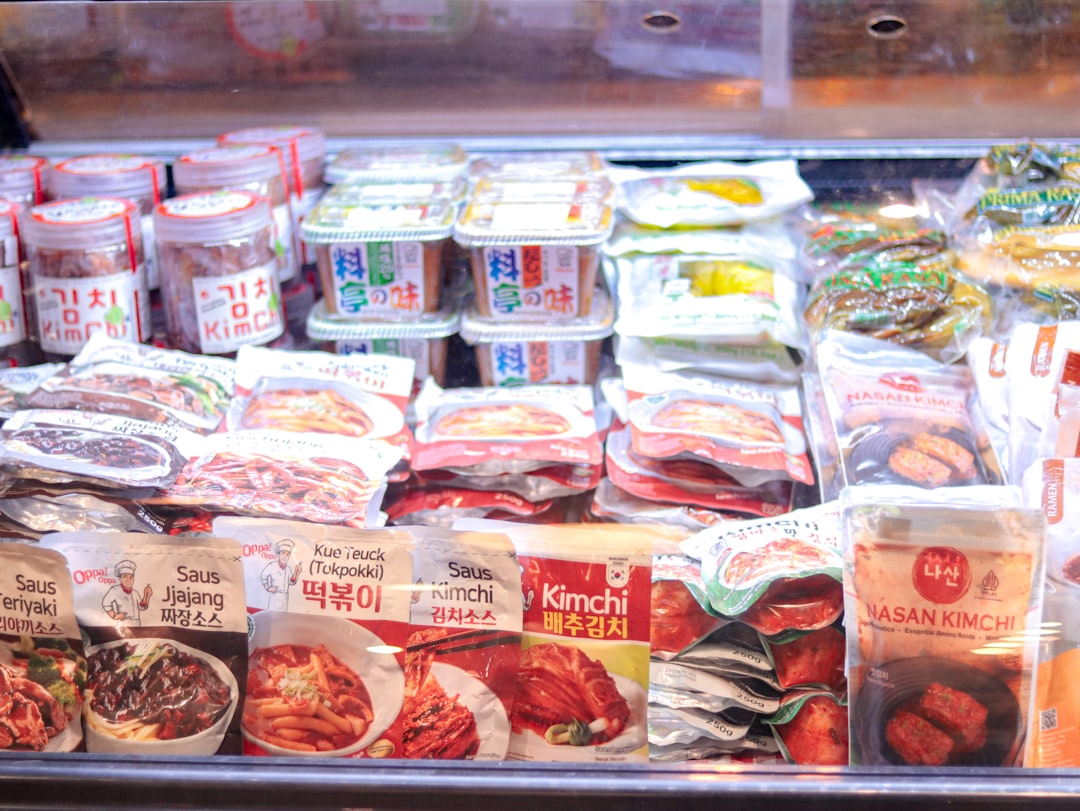
In today’s bustling supermarket aisles and on multi-screen online grocery platforms, shoppers are bombarded with a myriad of food advertisements and grocery promotions aimed at capturing attention and driving purchases. While promotions often promise savings, discerning true value from marketing gimmicks remains a challenge for many consumers. This comprehensive guide dives deep into the mechanics of grocery promotions, offers proven savings tips, and explains how to cultivate consumer awareness to become a smarter shopper.
1. The Anatomy of Grocery Promotions: What Are You Really Seeing?
Types of Grocery Promotions
Grocery discounts come in many forms, including "buy one get one free" (BOGO), percentage discounts, coupons, loyalty rewards, and flash sales. Each bears different implications for shopper value. BOGOs, for instance, encourage bulk buying but don’t always represent savings if one doesn’t need multiples.
Psychology Behind Promotions
Marketers apply principles of shopping psychology such as scarcity, anchoring, and social proof to increase appeal. For example, labeling an item as "limited time offer" exploits FOMO (fear of missing out), influencing impulsive purchases.
Common Advertising Tactics and How to Spot Them
Price tags may display slashed original prices or exaggerated discounts. Watch out for reference pricing where "original prices" are artificially inflated to make deals look bigger. Understanding these tactics helps in making informed decisions.
2. Reading Between the Lines: How to Recognize True Savings
Calculating Unit Prices
Always compare unit prices (per ounce, gram, or piece). This better reveals value than the sticker price alone. For instance, a $3 off coupon on a small package might not beat a lower unit price from a bulk item.
Timing is Everything
Weekly flyers and digital apps publish time-sensitive promotions. Align your shopping with sale cycles and combine coupons or loyalty discounts to maximize promotions analysis results.
Beware of Upselling and Cross-Promotions
Grocery ads may bundle products to encourage add-on purchases that inflate your total spend. Evaluate if the promoted combo truly meets your needs or if you’re being nudged to buy more.
3. The Role of Consumer Awareness in Smart Shopping
Know Your Local Stores’ Pricing Norms
Local market conditions influence prices and promotions. Use tools that provide localized price comparisons to avoid missing out on genuine deals or falling for inflated discounts.
Be Wary of Brand vs Store Brand Promotions
Store brands often offer comparable quality at lower prices. Promotions may push brand names to garner higher margins, so sample store brands to diversify options.
Track Your Spending and Savings
Maintain a shopping journal or use apps that monitor your expenditures versus savings on promotions. This practice bolsters smart shopping habits by highlighting what truly benefits your budget.
4. Comparing Grocery Promotions: Deep Dive Table
| Promotion Type | Advantages | Potential Pitfalls | Best For | Example |
|---|---|---|---|---|
| BOGO (Buy One Get One Free) | Great for stocking up on frequently used items | May lead to over-purchasing; not useful if only 1 needed | Non-perishable or regularly used items | Buy 1 cereal box, get 1 free |
| Percentage Discounts | Simple direct savings; easy to calculate | Small base prices may disguise actual low savings | Higher-priced or bulk items | 20% off on fresh meat |
| Coupons | Extra savings on top of sales or loyalty rewards | Restrictions on use; expiry dates | Products you regularly purchase | $1 off any organic milk |
| Loyalty Program Deals | Customized discounts; rewards accumulation | Requires membership; privacy concerns | Frequent shoppers | Double points on produce Fridays |
| Flash Sales | Steep short-term discounts | Limited stock; rush buying | Impulse buys or testing new products | 2-hour sale on snacks |
5. Analyzing Real-World Marketing Case Studies
Case Study: Seasonal Produce Promotion
A midwestern supermarket chain launched a heavy discount on summer berries, advertised as "freshly picked local." Shoppers perceived higher quality and urgency, boosting produce sales by 25%. However, further scrutiny revealed storage techniques that extended shelf life without compromising taste, a tactic to sustain promotions through the week.
Case Study: Mega Coupon Campaigns
A major retailer introduced a "stackable coupon" campaign combining manufacturer and store coupons. While customers saved on paper, the campaign required app downloads and digital membership sign-ups, increasing the retailer's consumer data pool and long-term marketing reach. Smart consumers leveraged this to build bulk savings, but casual buyers were overwhelmed.
Lessons Learned from Case Studies
Effective promotions balance consumer value with marketing gains for retailers. Being aware of these dynamics helps shoppers participate strategically rather than react impulsively.
6. Leveraging Technology for Promotions Analysis
Price Comparison Tools and Apps
Apps that cross-check prices and ongoing promotions across local stores enable efficient price comparisons. Features include alerts on flash sales, coupon integrations, and price drop notifications which save time and money.
Barcodes and QR Codes for Extra Info
Scanning product barcodes with smartphone apps can reveal hidden coupons, ingredient specifics, or origin details that standard price tags omit, increasing transparency in purchasing decisions.
Subscription Services for Weekly Deals
Many supermarket chains offer newsletters or app notifications with curated discounts based on customer preferences, making ordering groceries online more cost-effective when planned.
7. Understanding the Impact of Advertising on Consumer Behavior
Emotional and Cognitive Triggers
Advertisements often evoke emotions such as nostalgia, happiness, or urgency to drive immediate action. Recognizing these triggers can help consumers pause and evaluate before succumbing to impulse purchases.
Brand Loyalty and Trust Signals
Promotions frequently exploit trust in established brands or use endorsements to influence decisions. However, exploring lesser-known brands or generic alternatives may yield better value without sacrificing quality.
Social Proof and Peer Influence
Online reviews, social media buzz, or "trending" labels can lend credibility to products in promotions. Yet, understanding how social proof is curated prevents falling prey to paid endorsements or manipulated ratings.
8. How to Create a Personalized Grocery Promotion Strategy
Set a Budget And Prioritize Items
Identify essential items and assign a budget, focusing on promotions only for what fits your needs, which prevents overspending on non-essentials during sales.
Use a Mix of In-Store and Online Resources
Combining physical flyer checks with online price trackers and digital coupons enhances coverage and uncovers exclusive deals often missed by either platform alone.
Plan Meals Around On-Sale Ingredients
Adapting weekly menus based on current promotions not only saves money but reduces food waste. For creative inspiration, consult recipe hubs optimized for sale-based shopping like our meal ideas section.
9. FAQs: Decoding Grocery Promotions
1. How can I be sure a promotion is a genuine saving?
Check unit prices, compare with other stores, and consider if you would buy the product without the promotion. Avoid deals that encourage unnecessary bulk purchases.
2. Are loyalty programs worth joining?
Yes, if you shop frequently at a particular store. They offer targeted discounts and rewards, but always review privacy policies regarding data use.
3. How do digital coupons work?
These coupons are scanned or applied via apps at checkout, sometimes stacking with store promotions. Check terms for exclusions or limits.
4. What's the best way to avoid impulse buying triggered by promotions?
Make a shopping list aligned with your meal plan and budget, and stick to it irrespective of in-store promotions.
5. How often do grocery stores cycle their promotions?
Weekly cycles are common, but some promotions may last shorter or longer based on product categories and seasonality.
Related Reading
- Smart Shopping: How to Stretch Your Grocery Budget - Unlock tips for budget-smart groceries every trip.
- How to Quickly Compare Prices Across Supermarkets - Save time and money by mastering price comparisons.
- Grocery Pickup and Delivery: Making Online Ordering Work for You - Strategies to combine digital convenience with promotions.
- Meal Ideas Based on Sale Ingredients - Creative recipes that transform discounted buys into delicious meals.
- Building Consumer Awareness for Savvy Supermarket Choices - Empower your purchasing power through knowledge.