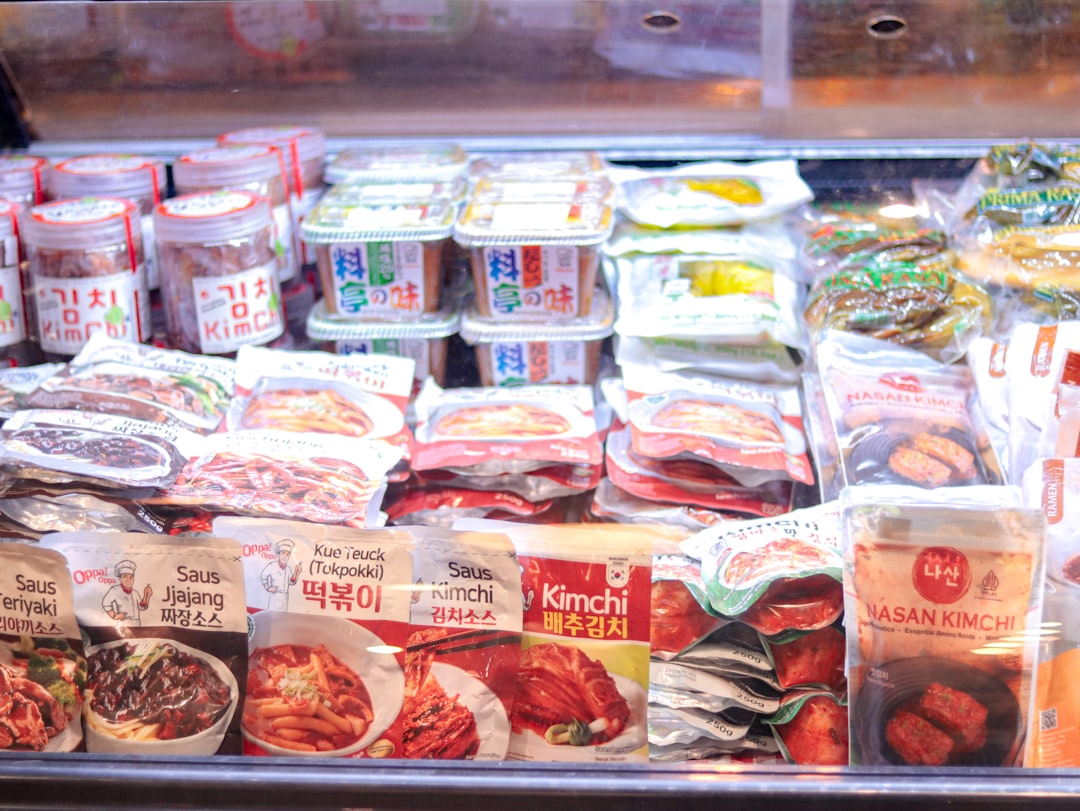
As the U.S. dollar fluctuates in the global currency exchange markets, consumers often feel the rippling effects wherever they shop, especially in their local supermarkets. Understanding how currency changes influence grocery prices, food sourcing, and your overall shopping experience is vital for budgeting smartly in 2026 and beyond. This deep dive guide unpacks the complex relationship between currency valuation and what ends up in your shopping cart — arming you with strategies to save money and shop smarter.
1. The Link Between Currency Exchange and Grocery Prices
The U.S dollar plays a pivotal role in global trade, especially in food and agriculture sectors. When the dollar weakens, import costs rise, directly impacting grocery prices.
1.1 How Currency Fluctuations Affect Import Costs
Many grocery items sold locally are sourced internationally, and these imports rely on currency exchange calculations. A weaker dollar means U.S. importers must pay more foreign currency per dollar, inflating the cost basis for goods. For example, imported fruits, coffee, and specialty items become pricier, which supermarkets pass on to shoppers in the form of higher sticker prices.
1.2 Impact on Domestic vs. Imported Products
While domestic produce may seem insulated, the effects of currency swings trickle down. Imported inputs such as fertilizers, machinery, and even packaging may become costlier, which raises overall agricultural production expenses. Our guide on how global production trends affect prices delves into this hidden cost factor affecting groceries.
1.3 Examples of Recent Currency-Driven Price Changes
Recent data from commodity markets shows spikes in wheat and dairy prices coinciding with dollar declines. This phenomenon was observed in the early 2020s and remains relevant today, as detailed in our analysis on commodity price swings and their cash flow impact.
2. Food Sourcing in a Shifting Currency Landscape
The origin of your grocery store’s food is tightly linked to currency health. Changing exchange rates mean sourcing strategies must adapt to keep prices manageable.
2.1 The Role of Global Supply Chains
Supermarkets juggle complex supply chains stretching across continents. When the dollar drops, costs of overseas sourcing surge, prompting stores to reconsider their suppliers. This often results in a pivot towards more local or regional purchases to hedge currency risk, as discussed in our success story on turning tariff challenges into local opportunity.
2.2 Sourcing Shifts and Seasonal Effects
Seasonality intersects with currency effects — for instance, a weaker dollar in winter months can make tropical fruit imports significantly pricier. Shoppers may notice increased prices for certain seasonal products, more prominently during such periods. Check our seasonal deals insights at seasonal shopping trends to watch to time your purchases smartly.
2.3 Currency Hedging by Retailers
Some supermarket chains mitigate currency risk through hedging strategies on futures markets, enabling more stable grocery prices despite dollar volatility. Although not visible to consumers, understanding this practice can explain why some stores’ prices fluctuate less. This links closely to business cash flow management discussed in commodity price swings and small business cash flow.
3. Impact on Online Grocery Shopping and Pricing Transparency
The trend of buying groceries online has surged, bringing new dynamics to currency impact and price comparisons.
3.1 Currency Effects on Online Inventory Sourcing
Online grocers rely heavily on both local and international suppliers. A fluctuating dollar can affect the availability and pricing of imported goods, sometimes leading to different prices between physical and digital stores. Our guide on future deal shopping explains how ecommerce adapts to these changes.
3.2 Comparing Prices Across Platforms
Fortunately, online shoppers can quickly compare prices across supermarkets and brands, utilizing tools highlighted in our content on maximizing savings with coupon codes. This transparency empowers consumers to navigate price changes driven by currency fluctuation confidently.
3.3 Delivery and Pickup Options Amid Currency Pressure
Currency changes can influence logistics and last-mile delivery costs, impacting delivery fees and availability. Choosing fast pickup options or timing your orders strategically can save expenses, as suggested in our article on holiday sale shopping guides.
4. Budget Strategies to Combat Currency-Driven Grocery Price Inflation
Being proactive with your grocery shopping budget is key in volatile currency environments. Here are actionable tips to stretch your dollars further.
4.1 Prioritize Locally Sourced and Seasonal Products
Seek out local products which are less vulnerable to exchange rate shifts. Our guide on understanding sustainable and organic meat sourcing can help you identify reliable local choices that offer quality and cost efficiency.
4.2 Leverage Weekly Deals and Coupons
Weekly supermarket deals can offset price hikes. Staying up-to-date with local flyers and coupons, as detailed in maximizing your savings with coupon codes, is an effective tactic in tighter budget scenarios.
4.3 Smart Substitutions and Recipe Planning
Substituting pricier imported ingredients for more affordable alternatives can reduce grocery bills. Our innovative ideas on AI-assisted recipe creation can inspire budget-friendly meal planning using ingredients on sale.
5. The Role of Inflation and Currency in Long-Term Food Pricing
While currency fluctuations impact prices in the short term, inflationary pressures often compound these effects.
5.1 Inflation Trends and Grocery Costs
Higher food prices can result from combined inflation and a weak currency. Tracking inflation indicators helps anticipate grocery cost changes. For more insights, see our economic impact discussions in economic and brand factors affecting markets.
5.2 Currency Depreciation Versus Inflation: What’s More Impactful?
Currency depreciation often precipitates inflation in imported goods; however, the relationship isn’t linear. Our detailed analysis on commodity price swings and market dynamics explains these interactions.
5.3 Case Studies: Grocery Price Trends During Past Dollar Downturns
Historical data from previous dollar weakening periods — such as the late 2010s and early 2020s — reveal patterns of international sourcing shifts, pricing adjustments, and consumer behavior. For broader context, refer to small business strategies amid tariff changes, which mirror these market adaptations.
6. Understanding Currency Exchange Mechanics for Savvy Shoppers
Delving into currency exchange mechanics enhances your comprehension of grocery pricing forces.
6.1 What Determines Currency Valuations?
Exchange rates result from factors like interest rates, trade balances, and geopolitical stability. Sharp movements can cause sudden grocery price shifts. You can explore these concepts more in how narrative techniques inform trading strategies.
6.2 Currency Hedging and Its Role in Retail Pricing
Hedging in currency markets enables retailers and importers to secure exchange rates in advance, reducing uncertainties in pricing. This concept is central to understanding why some supermarkets manage to keep prices steady.
6.3 Spot vs Forward Rates and Impact on Grocery Costs
Retailers often use forward contracts to lock in prices for future deliveries. Spot market volatility can temporarily affect pricing but hedging provides a cushion. For detailed trading mechanisms, see Shakespearean influence on trading strategies.
7. Comparison Table: Grocery Categories Most Affected by Currency Depreciation
| Category | Import Dependency | Price Sensitivity to Currency Fluctuations | Alternatives/Local Options | Typical Price Impact Range (%) |
|---|---|---|---|---|
| Tropical Fruits (Bananas, Mangoes) | High | Very High | Seasonal Domestic Fruits (Apples, Pears) | 5-15% |
| Coffee & Tea | High | High | Local Roasts and Herbal Teas | 7-12% |
| Dairy Products | Medium | Medium | Locally Produced Milk & Cheese | 3-8% |
| Packaged Snacks and Specialty Foods | Medium to High | High | Local Artisanal Brands | 6-10% |
| Staples (Rice, Wheat, Sugar) | Medium | Moderate | Domestic Staples | 4-9% |
Pro Tip: Use local supermarkets’ online platforms to watch pricing trends real-time and combine coupon stacking with strategic substitutions to optimize your grocery budget.
8. Practical Tips to Manage Grocery Shopping During Dollar Downturns
Adapting your shopping habits can buffer you from the worst effects of currency-related price inflation.
8.1 Shop Weekly Deals and Use Price Trackers
Tools like price trackers can alert you when core items hit discounted prices. Learn more in how to use price trackers effectively.
8.2 Embrace Online Shopping for Comparison and Convenience
Online supermarkets let you compare prices quickly. Also, take advantage of flexible delivery or curbside pickup to save on transport and delivery fees—a strategy explored in our ultimate shopper's guide at navigating holiday sales.
8.3 Build a Pantry of Non-Perishables When Prices Dip
Stockpile staples during currency-stable periods to minimize exposure to future spikes. Detailed pantry-building strategies are covered in maximizing your savings.
9. Looking Ahead: Currency Trends and Your Grocery Bill in 2026
Economists forecast continued uncertainty in currency markets through 2026, influenced by geopolitical tensions and evolving trade policies. Staying informed and adaptive is key.
9.1 Anticipated Currency Movements
Stable or appreciating currency rates are unlikely in the near term; thus consumers should prepare for ongoing grocery price variation. For comprehensive trend tracking, see our trends in deal shopping resource.
9.2 Inflation vs Currency Effects: What to Watch For
Keep an eye on inflation as a parallel factor impacting grocery costs, detailed in commodity price swings analysis.
9.3 Ways to Stay Ahead
Leverage local-first shopping platforms and compare prices across nearby supermarkets to capture the best deals in real-time. Learn more about this approach in our guide on navigating holiday sales events.
Frequently Asked Questions (FAQ)
Q1: How does a weaker dollar make grocery shopping more expensive?
A weaker dollar increases the cost for U.S. importers to buy products priced in foreign currencies, which raises prices on imported groceries and ingredients.
Q2: Are locally sourced foods immune to currency fluctuations?
Not entirely. While direct import costs may not apply, local food production still depends on imported inputs that can become more expensive when the dollar weakens.
Q3: Can grocery stores fully protect consumers from currency-driven price changes?
Stores use hedging and supply chain adjustments but cannot entirely absorb currency impacts without affecting prices.
Q4: How can I budget effectively amid rising grocery prices linked to currency shifts?
Focus on local, seasonal products, use coupons, plan meals around sales, and shop across various retailers for the best deals.
Q5: Does online grocery shopping offer better pricing when the dollar falls?
Online shopping provides transparency to compare prices efficiently, though prices may still rise overall due to currency impact on sourcing and delivery costs.
Related Reading
- How Commodity Price Swings Affect Small Business Cash Flow — Real Scenarios and Forecast Templates - Understand how price volatility impacts businesses supplying your groceries.
- Turning Tariff Challenges Into Local Opportunity: Strategies for Small Businesses - Learn how suppliers adapt to trade and currency pressures.
- Maximize Your Savings with Coupon Codes: A Comprehensive Guide for 2026 - Actionable tips on stretching your grocery budget smartly.
- Smart Ingredients: How AI is Revamping Recipe Creation and Ingredient Selection - Innovative ways to adapt meal planning for budget and availability.
- Ultimate Shopper's Guide to Navigating Holiday Sales Events - Timing your grocery purchases to maximize savings.