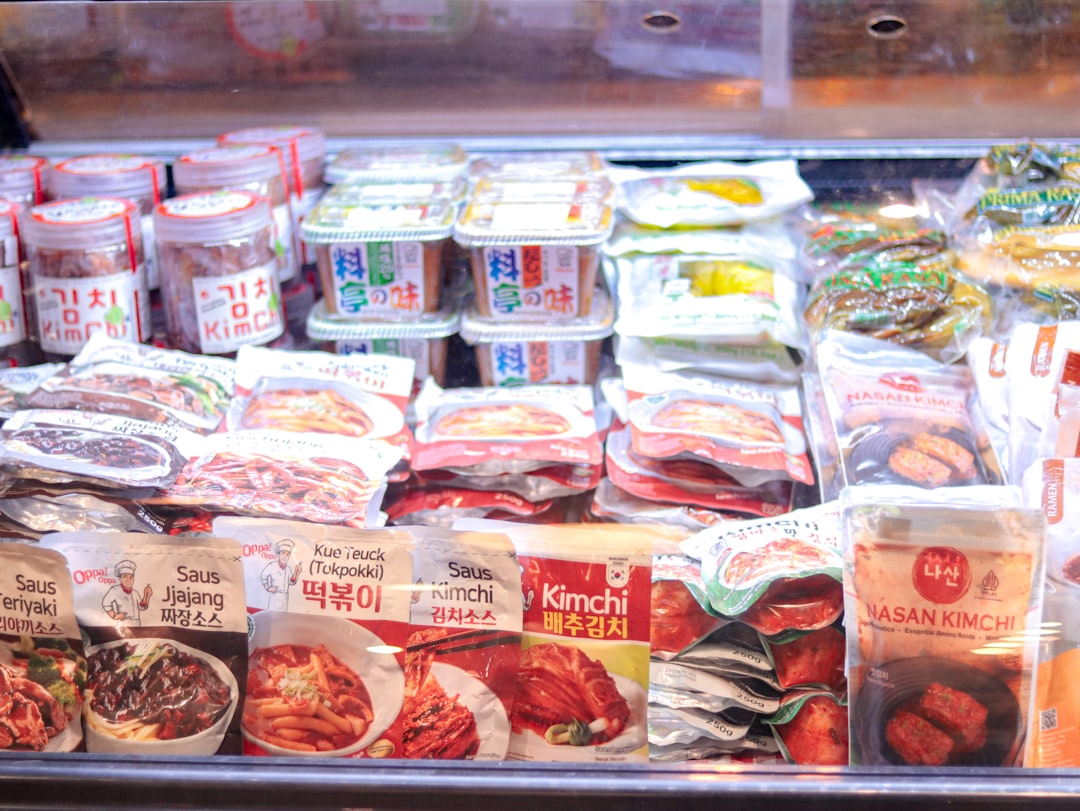
Rice is one of the clearest examples of a grocery staple that can look interchangeable on the shelf but perform very differently in the kitchen. The category is crowded, price-sensitive, and often bought on autopilot, which is exactly why premium brands work so hard to create differentiation. For shoppers trying to stretch a budget without sacrificing meal quality, the real question is not whether premium rice exists — it is whether the upgrade pays off for your cooking style, your household, and your value for money. If you are building a smarter pantry, it helps to think about rice the way you might think about any premium everyday item: look at the outcome, not just the label, and compare against other smart staples and swaps.
That lens matters because premiumization is not limited to rice. It is part of a broader shift in grocery where brands try to stand out through sourcing stories, cooking performance, pack convenience, and health-related cues. Shoppers see this everywhere from premium headphones to groceries, and the same value test applies: what do you get that a cheaper alternative does not provide? As with premium headphones on sale, the best purchase is not always the cheapest or the most expensive; it is the one that best matches your use case and timing.
This guide breaks down why brands like Tilda have managed to become trusted names in a basic category, how to judge rice quality, what packaging and food labels really tell you, and when paying more can be a sensible supermarket move. It is designed for shoppers who want to save money intelligently, compare products quickly, and avoid paying for marketing fluff.
1. Why Basic Pantry Items Are Getting a Premium Makeover
1.1 Commodities become brands when shoppers need a reason to care
Most shoppers assume rice is rice until they cook a batch that clumps, turns gluey, or lacks aroma and texture. That is where premium brand differentiation starts: by making a “simple” product feel less risky. In a category where many products can appear similar on price tags and ingredient lists, a premium brand promises consistency, better grain integrity, and often a more reliable result for specific cuisines. This is the same logic behind many successful supermarket brands that move beyond undifferentiated basics and into named, trusted choices, a pattern you also see in grocery launches and shelf-space strategy.
Brands like Tilda have an advantage because rice is both everyday and culturally specific. A shopper may buy it weekly, but they still want something that works for biryani, fried rice, pilaf, or a fast weeknight bowl. Premium positioning lets a brand claim expertise in those use cases rather than simply competing on the cheapest kilogram. That framing can justify a higher ticket price if the brand can prove better cooking performance or convenience.
1.2 Premiumization is about reducing uncertainty
For many consumers, the real value of premium pantry basics is not luxury — it is predictability. If you have ever bought an economy rice that cooked unevenly, absorbed too much water, or tasted flat, you already understand why people pay more. A premium pack can be valuable when it reduces the risk of kitchen disappointment, especially for dishes where texture is visible and immediately noticeable. This is similar to how shoppers evaluate other value-driven upgrades, such as premium lights for less: pay for output and reliability, not branding alone.
There is also a convenience premium. Some rice brands sell pre-portioned pouches, microwaveable packs, or cooking instructions tuned to specific recipes. Those features matter more to busy households than to food enthusiasts. In a real shopping trip, a customer may choose a more expensive brand simply because it makes dinner more forgiving after a long day, much like choosing the right takeout experience for delivery-first guests depends on convenience and consistency, not just base price.
1.3 Brand trust grows when the product feels specialized
Premium rice brands often win by sounding narrow and expert: basmati from a specific origin, grains selected for fragrance, or a line built around perfectly separated grains. That specialization helps a shopper believe the product is designed for a job, not merely packaged for a shelf. This is a powerful form of brand differentiation because it turns a generic staple into a decision with less guesswork. The same principle appears in craft-driven heritage brands, where the brand story reassures buyers that quality is deliberate rather than accidental.
Still, trust should be earned, not assumed. A premium label can signal better curation, but it does not guarantee better value for every household. The smarter approach is to treat premium positioning as a hypothesis: does this product actually improve cooking, reduce waste, or save time enough to justify the higher cost per serving?
2. What Premium Rice Really Means on the Shelf
2.1 Grain type is not marketing — it is the first quality clue
The most important rice decision usually comes before brand selection: long grain, medium grain, short grain, aromatic, parboiled, or specialty varieties like basmati and jasmine. Grain type influences texture, water absorption, and final appearance. Long-grain rice typically cooks fluffier and separates better, while short-grain rice tends to be stickier and better for dishes that need cohesion. A brand can market premium rice well, but if the grain type does not suit your cooking, the “upgrade” is wasted.
Premium brands often build their reputation on specific varieties and consistency within those varieties. Tilda, for example, is commonly associated with basmati and fragrant rice profiles, which appeal to shoppers seeking a distinct result rather than a generic side dish. That is where the price difference may be justified: you are paying for a tighter spec and a better chance of repeatable results. For a shopper doing meal planning, that specificity is as useful as meal kits for weeknight cooking because it narrows the gap between intent and outcome.
2.2 Broken grains, aroma, and texture matter more than the pack design
When comparing rice quality, one practical test is how much broken grain is visible through the packaging. More broken grains often mean a less elegant cooked texture, though it does depend on variety and processing. Aromatic rice should smell noticeably fresh even before cooking, while low-quality stock may seem dull or dusty. Premium rice can deliver a cleaner aroma and more separated grains, which matters for pilaf, biryani, and dishes where presentation counts.
Texture is where premium rice often earns its keep. Good grain structure means the rice can hold shape without turning mushy, even if a cook slightly overdoes the water or resting time. That resilience is a real-world value driver because it lowers the chance of waste. If your household frequently cooks rice in bulk, the extra cost can be offset by fewer failed batches and better leftovers, a classic example of value-first buying rather than impulse upgrading.
2.3 Processing and origin can influence performance
Origin claims are not just romance; they can hint at variety, farming conditions, and handling standards. Some regions are known for fragrance, others for grain length or polishing consistency. Processing also matters: parboiling can help grains stay firmer and less sticky, while milling level affects whether rice cooks more softly or retains a firmer bite. Premium brands often communicate these attributes more clearly, which helps shoppers choose the right product faster.
That said, origin should be a clue, not a guarantee. A great origin does not automatically mean great quality if storage or handling is poor. Likewise, a supermarket own-label product may surprise you if it uses the same rice type and decent quality controls. Smart shopping means comparing the visible characteristics and the practical cooking promise, not assuming all premium claims are equally meaningful.
3. Reading Food Labels Like a Smart Grocery Buyer
3.1 Start with the product identity, then inspect the details
Rice packaging often looks simple, but the label can reveal more than a shopper expects. Start with the exact product identity: is it basmati, jasmine, arborio, sushi rice, or a generic long-grain blend? That single line often matters more than a brand name because it determines the cooking behavior. Then scan the ingredients panel. For plain dry rice, the ingredient list should usually be brief, which is a good sign that the product is what it says it is.
Shoppers should also pay attention to cooking instructions, serving sizes, and any claims about enrichment or fortification. Some brands package convenience through faster cooking claims or microwavable formats; others focus on heritage and authenticity. Think of the label as a contract: what exactly are you paying for, and does it align with your meal routine? This mindset is similar to checking the value proposition in premium travel cards, where the headline offer matters less than the actual utility you will use.
3.2 Claims like “aged,” “fragrant,” or “selected grains” need context
Some premium rice labels use terms that sound impressive but need interpretation. “Aged” rice, for example, may be desirable in certain varieties because it changes texture and aroma, but it is not universally better. “Selected grains” suggests sorting and quality control, yet it is vague unless the brand gives more detail. “Fragrant” is meaningful if the product consistently delivers aroma; otherwise it may just be marketing copy.
Shoppers should ask: what test is the brand passing? If the claim points to fewer broken grains, stronger aroma, or a particular cooking result, it may be worth something. If the claim is purely emotional — elegant packaging, imported imagery, heritage typography — then you may be paying for shelf appeal. That is not necessarily bad, but it is worth knowing, especially when grocery budgets are tight and every extra pound has opportunity cost.
3.3 Nutrition panels and allergens still matter in pantry basics
Rice is often viewed as a simple carb, but labels still matter for households with dietary restrictions. Enriched rice may add nutrients, while flavored or ready-to-heat packs can introduce sodium, oils, or additives. For allergy-conscious shoppers, cross-contamination notes and facility information may be relevant even when the core ingredient seems safe. The goal is to avoid being distracted by premium storytelling while missing the basic facts on the back of pack.
That is why trustworthy shopping habits should include the nutrition panel, not just the front-of-pack imagery. This approach echoes broader smart-shopping advice around fact-checked content: claims should be verified, not admired. If a premium rice brand gives you more transparency — origin, cook time, grain spec, and dietary details — that transparency itself can be part of the value.
4. When Premium Rice Delivers Better Value for Money
4.1 The upgrade makes sense when cooking performance is part of the meal
Premium rice is worth considering when rice is not just a filler but a main feature of the meal. If you are serving rice beside a sauce-heavy curry, a fragrant pilaf, or a rice bowl where texture matters, the quality difference can be obvious. Better grains may stay separate, absorb flavor more evenly, and present well on the plate. In that situation, the cost difference can be small relative to the overall meal.
To evaluate value for money, think in cost per served portion rather than cost per bag. A pricier pack might reduce the chance of overcooking, save money on restaurant takeout, or elevate a dish enough that you rely less on extras to make it satisfying. That is the same logic as buying subtle performance upgrades: if the improvement is noticeable in everyday use, it may justify the premium.
4.2 Busy households often pay for convenience, not prestige
Many premium rice products are built to reduce friction: shorter cook times, microwaveable packs, exact portions, or instructions that make the result more foolproof. For busy parents, shift workers, and students, those time savings can be worth more than the ingredient itself. In other words, the premium may be buying back time and lowering dinner stress. That is a strong value case because convenience has real economic value in an everyday staple.
Consider a household that cooks rice four times a week. If a higher-grade product gives consistently better results and cuts one failed batch per month, the savings may be invisible on the receipt but visible in less waste, fewer backup meals, and less frustration. That practical angle is the same reason shoppers sometimes choose low-cost but high-impact upgrades: the right feature is worth paying for if it gets used.
4.3 Premium only pays when your household actually notices the difference
Not every family will taste or value the same distinctions. If rice is mainly mixed into soups, casseroles, or heavily seasoned dishes, a mid-tier or supermarket own-label rice may perform just fine. In those cases, the premium premium may be mostly cosmetic. Your money is better spent on sauces, vegetables, proteins, or a larger pack size if the rice itself will not be the star.
This is where smart shopping discipline matters. Review how often rice appears in your meals, how sensitive you are to texture, and whether your cooking method is consistent. If the answer is “rarely,” a cheaper staple is probably the smarter buy. If the answer is “constantly, and the texture matters,” then a premium rice brand becomes more defensible.
5. A Practical Comparison: Premium vs Value Rice
The table below gives a simple way to compare rice options when you are deciding whether a premium pack is worth it. Think about your own usage pattern, not just the sticker price. For shoppers comparing supermarket brands, the best choice often comes down to how much quality, convenience, and consistency you need.
| Factor | Budget Rice | Premium Rice | What to Look For |
|---|---|---|---|
| Grain consistency | Can be mixed, with more broken grains | Usually more uniform | Visible grain size, fewer fragments |
| Cooking performance | May need more trial and error | Often more predictable | Clear instructions, repeatable texture |
| Aroma and taste | Milder, sometimes flatter | More distinct in fragrant varieties | Variety-specific aroma, freshness |
| Convenience | Basic dry packs | May include quick-cook or microwave options | Format that fits your routine |
| Price per serving | Lower upfront cost | Higher upfront cost | Calculate cost per cooked portion |
| Best use case | Mixed dishes, bulk cooking, price-first baskets | Standalone side dishes, special meals, texture-sensitive recipes | Match the rice to the meal |
Use this comparison alongside the broader basket, not in isolation. A slightly more expensive rice can still be the better value if it improves the meal enough to reduce spend elsewhere, such as on packaged sides or takeout. That is similar to choosing the right seasonal savings: the best deal is the one that fits your real needs.
6. How to Shop Rice Like a Pro in the Supermarket
6.1 Compare price per 100g, not just shelf price
A premium-looking pack can hide a smaller quantity, while a budget pack may look cheaper until you work out the unit price. Always compare the price per 100g or per kilogram, especially when one brand uses attractive packaging or a narrower bag. Supermarket shelf labels often make this easy, but online grocery platforms make it even easier if you know where to look. Smart shoppers treat the unit price as the real number that matters.
Do not forget that some premium products shrink in pack size while holding the shelf price steady. That is a common grocery tactic across categories, not just rice. If you want a broader view of how brands communicate value, it helps to compare with categories like retail launch discounts, where introductory pricing can temporarily distort what “good value” really means.
6.2 Match the rice to the recipe, not the label prestige
If you cook stir-fries, choose a rice with strong grain separation. If you make creamy dishes, a starchier rice may suit you better. If you are cooking curry nights, a fragrant long-grain variety might justify the premium. The right choice is about compatibility, not status. That is why a shopper who regularly cooks rice with sauce may not need the most expensive pack, while someone who serves rice plain may notice the upgrade immediately.
A practical household test is simple: buy one premium bag and one own-label equivalent, cook them the same way over the same week, and compare. Note texture, aroma, leftover quality, and how forgiving each is when reheated. A brand only deserves its premium tag if it genuinely helps you cook better or faster with less waste.
6.3 Use store promos, but do not let them define the decision
Promotions can make premium pantry items look like obvious bargains, but the underlying use case still matters. A sale on premium rice is only a win if you would actually use the product and prefer its performance. Otherwise, the “discount” simply nudges you to spend more than necessary. This is a familiar pattern in smart shopping, much like timing a purchase around a brand turnaround discount wave rather than buying because the banner looks exciting.
If you often shop around weekly promotions, it makes sense to keep a shortlist of rice brands you trust in both premium and own-label tiers. Then you can switch based on price without starting from scratch every time. That flexibility is often where the real savings live.
7. Brand Differentiation: How Tilda and Similar Labels Win Loyalty
7.1 Consistency beats novelty in staple categories
In pantry basics, consistency is a major selling point. Shoppers return to a brand when the pack delivers the same cooking outcome every time. Premium labels often invest in tighter sourcing, sorting, and quality control to create that repeatability. This is especially useful for families cooking on autopilot, where reliability is more valuable than experimentation.
That repeatability also builds habit. Once shoppers trust a brand, they are more likely to repurchase it without re-evaluating every time. In grocery, that kind of habit is powerful because it lowers decision fatigue and makes premium brands sticky. It is not very different from how consumers stay loyal to brands that simplify complex buying decisions, such as heritage products built on craft.
7.2 Packaging, storytelling, and shelf presence all do real work
Premium rice brands often use packaging that signals heritage, provenance, and meal inspiration. This is not superficial; in a crowded aisle, the pack is the product’s first salesperson. A clear visual identity helps shoppers find the brand quickly online or in store, and a good package can communicate use case faster than a long label. The best brands make it obvious who the product is for and why it matters.
But packaging should still support utility. Resealable bags, stackable shapes, transparent windows, and clear cooking instructions all add convenience. If the pack looks premium but is awkward to store or messy to pour, the brand may be prioritizing image over user experience. Shoppers should reward brands that combine story with practical design, just as they would with a thoughtfully built user-centric interface.
7.3 Reputation is strongest when the product solves a known pain point
Premium brands win when they address a specific pain point clearly: the rice sticks, the grain breaks, the cooking is unpredictable, or the family wants a better plate presentation. That is why the premium positioning feels credible when paired with a concrete outcome. A brand that simply says “better rice” is vague; a brand that says “fluffy, separate grains with reliable cooking every time” is more actionable.
Shoppers can test this by asking what problem the brand is solving. If you cannot name the problem, you may not need the premium. If you can, then the upgrade is worth a closer look.
8. A Smart Shopping Framework for Everyday Staples
8.1 Ask four questions before you upgrade
Before buying premium pantry basics, ask: What am I cooking? How often will I use it? Will I taste the difference? And does the higher price reduce waste, time, or hassle? Those four questions usually separate true value from brand theatre. They also keep you focused on the actual use case rather than the emotional appeal of a premium claim.
For staple categories, the answer often changes by household. A single cook who eats rice as a side dish may be perfectly happy with supermarket own-label. A family with varied dishes and tighter cooking timelines may get more out of a premium product. That is why there is no universal “best” rice, only the best rice for your kitchen.
8.2 Build a two-tier pantry instead of buying one type for everything
One of the smartest approaches is to keep a value rice for everyday bulk use and a premium rice for dishes where quality matters most. That way, you get the budget benefit of low-cost staples without sacrificing results when the meal deserves it. This is especially effective for households that cook different cuisines in the same week. You are not abandoning value for money; you are allocating it more intelligently.
This two-tier strategy works across grocery categories, from sauces to coffee to cereal. It is a form of smart shopping that recognizes not every serving has equal importance. If you want to stretch your basket without feeling deprived, selective upgrading is often better than uniform upgrading.
8.3 Track what your household actually finishes
The best grocery value is not the pack that looks cheapest, but the one you actually finish and enjoy. If premium rice improves meals but sits unused because it feels too precious, it is not really good value. Likewise, if a budget pack keeps getting replaced because of poor cooking results, the low price may be an illusion. Watch waste patterns over a month and you will learn more than any headline claim can tell you.
That is the essence of smart grocery buying: observe, compare, and adjust. You can even apply the same discipline to other household purchases, like browsing deal roundups or timing purchases around seasonal markdowns. Staples are simple only if you ignore the ways they affect your weekly routine.
9. Bottom Line: When the Premium Is Worth It
9.1 Buy premium when quality changes the meal
Premium rice is worth paying for when grain quality, aroma, and cooking performance clearly improve the finished dish. If the rice is central to the meal, if texture matters, and if you want predictable results, the upgrade can be a smart buy. In those cases, the premium is not about status; it is about a better eating experience and less kitchen frustration.
9.2 Stick with value brands when the rice is just background
If rice is mostly a filler, a base for saucy dishes, or part of a bulk meal-prep routine, supermarket own-label or budget rice often delivers the best value for money. You are less likely to notice subtle differences, and the money saved can go toward fresher produce or better protein. That is often the most practical way to improve the overall meal.
9.3 The best shoppers use premium strategically
The smartest pantry is not all premium or all budget; it is calibrated. Use premium rice where it pays off, compare food labels carefully, and keep your eye on cooking performance rather than brand mythology. A good supermarket brand earns loyalty by making your meals easier, tastier, and more consistent — and that is a much stronger case than “premium” alone.
Pro Tip: When comparing rice brands, cook the same variety from two different packs side by side. Judge texture, aroma, leftover quality, and how forgiving each is after reheating. The better value is usually the one that still tastes good tomorrow.
10. Quick Shopper Checklist
- Check the rice type first: basmati, jasmine, long grain, short grain, or specialty.
- Compare price per 100g or per kilogram, not just shelf price.
- Look for grain uniformity and low broken-grain content.
- Read cooking instructions and see whether they fit your routine.
- Match the rice to the dish, not the marketing copy.
- Use premium rice when texture and aroma will be noticed.
- Choose budget rice when the product will be heavily seasoned or mixed.
Frequently Asked Questions
Is premium rice actually better, or just better marketed?
It can be either, depending on the brand and the rice type. Premium rice is more likely to offer consistent grains, better aroma, and more predictable cooking, but those benefits only matter if your recipes can showcase them. If the rice is hidden inside strongly flavored dishes, the difference may be minimal. The key is to judge the result, not the brand story.
What should I look for on the package when buying rice?
Start with the grain type and origin, then check for visible broken grains, cooking instructions, and any special claims such as aged, fragrant, or quick-cook. Also compare the unit price and the pack size so you are not fooled by clever packaging. For shoppers with dietary needs, the nutrition panel and allergen notes can be important too.
When is supermarket own-label rice the smarter choice?
Own-label rice is usually the smarter choice when rice is a background ingredient, when you cook it in bulk, or when you are adding it to sauces, curries, or casseroles. In those cases, the subtle advantages of premium rice may not show up on the plate. If the product does the job with no complaints, paying extra may not be justified.
Does premium rice save money in the long run?
Sometimes, yes. If the product reduces waste, cooks more reliably, or helps you avoid takeout because the meal tastes better at home, the upgrade can be worthwhile. But if you do not notice a difference, premium rice becomes an avoidable cost. Long-term value depends on your household’s eating habits and how often rice is a featured part of meals.
How do I compare rice brands quickly in-store?
Use a simple three-step method: identify the rice type, compare the price per unit, and inspect the pack for quality cues like grain consistency and clarity of origin claims. If two products seem similar, choose the one that best fits your most common recipe. That method keeps the decision practical and avoids getting distracted by branding.
Are premium claims like “fragrant” or “aged” always trustworthy?
No label claim should be accepted blindly. These terms can signal real differences, but they are not automatically proof of superior quality. Treat them as clues that need to be checked against grain type, cooking performance, and your own taste preferences. Trust the finished plate more than the front of pack.
Related Reading
- Stock Your Pantry for Agricultural Uncertainty: Smart Staples and Swaps - Learn which pantry basics deliver the most resilience per pound.
- Best April Savings Across Tech, Home, Grocery, and Beauty - A quick way to spot cross-category promotions that matter.
- Inside Grocery Launches: How Chomps Used Retail Media to Get Shelf Space - See how brands win attention in crowded grocery aisles.
- When a Brand Turnaround Becomes a Better Buy: How Shoppers Can Spot the Next Discount Wave - Understand when brand changes create better value windows.
- Craftsmanship as Strategy: How Heritage Brands Like Coach Turn Craft into Customer Loyalty - A useful parallel for how premium brands build trust over time.