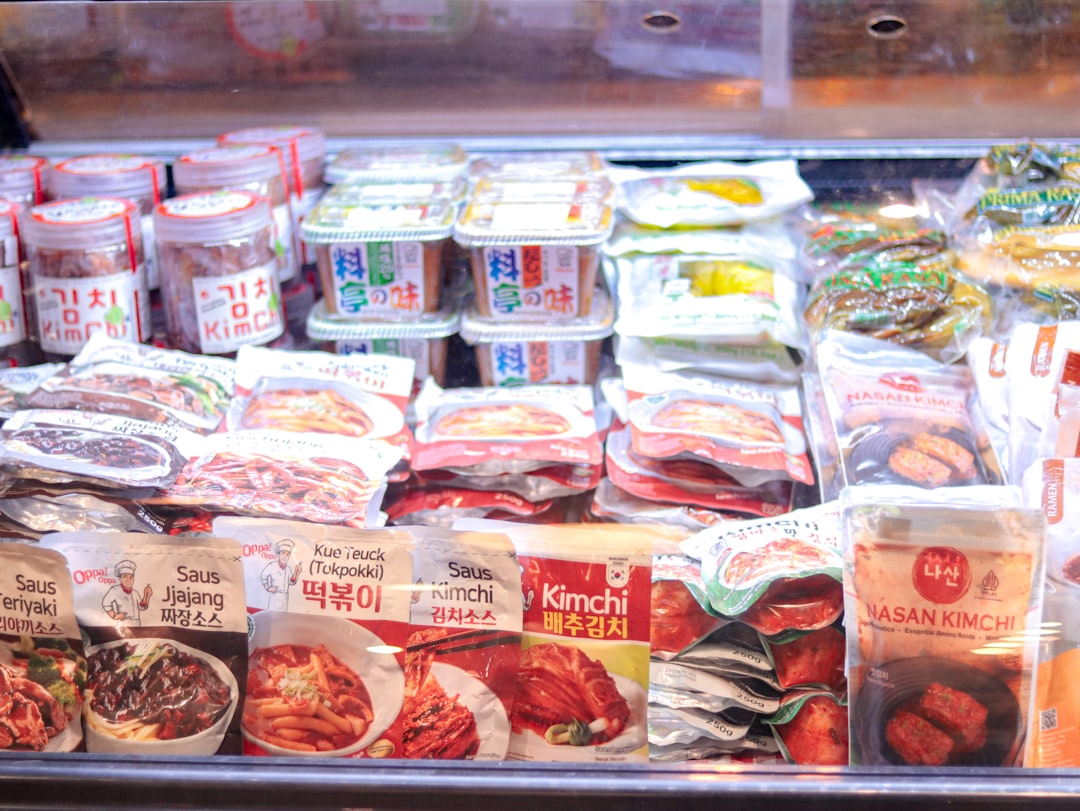
Local grocery stores hold a unique place at the heart of communities. Beyond their role as food retailers, they serve as gathering places, cultural hubs, and pillars of local economy. This deep dive explores how local grocery stores can foster strong communities by engaging consumers, supporting local causes, and innovating to overcome challenges. Drawing from unique case studies and actionable strategies, this guide empowers grocery retailers and community leaders alike to nurture resilient, connected communities through supermarket solutions.
1. Understanding Community Engagement in Local Grocery Contexts
1.1 What Community Engagement Means for Grocery Stores
Community engagement in grocery retail involves more than occasional sponsorships or charity drives. It means creating authentic, ongoing relationships with local consumers, suppliers, and organizations. This engagement manifests as support for local producers, hosting community events, and soliciting consumer feedback to tailor offerings. A grocery store deeply embedded in its community actively contributes to local identity and economic vitality, fostering consumer loyalty and trust.
1.2 Benefits of Active Community Involvement
Studies show community-focused stores often outperform impersonal chains in customer retention and revenue growth. They provide more than products — they offer a sense of belonging and shared values. According to a report on local reviews and ratings, establishing trust within the community directly improves a store’s reputation and customer conversion. Moreover, engaged consumers are more likely to participate in store initiatives, creating positive feedback loops that benefit all stakeholders.
1.3 Challenges That Can Hinder Community Engagement
Local grocery stores face several obstacles when trying to deepen community ties. These include limited resources for programming, competition from larger chains with pricing advantages, and logistical hurdles like inventory variation. Additionally, supply chain disruptions can strain commitments to support local producers consistently. Understanding these challenges is critical to designing realistic, sustainable engagement strategies.
2. Case Studies: Local Grocery Initiatives That Built Stronger Communities
2.1 The Community-Supported Agriculture (CSA) Partnership Model
Several local groceries collaborated with nearby farms to create CSA programs, offering consumers fresh seasonal produce while securing stable income for farmers. This model, highlighted in our direct-to-consumer brands overview, enables a transparent farm-to-shelf supply chain and educates customers on food origin. Consumers report increased satisfaction and trust, and stores benefit from diversified inventory tailored to local tastes.
2.2 Multicultural Food Festivals Hosted by Grocery Stores
In cities with diverse populations, local groceries have successfully hosted multicultural festivals featuring foods, music, and crafts from surrounding communities. These events encourage cross-cultural understanding and repeat foot traffic. One case study showed a 20% sales boost in specialty ethnic ingredients after an inaugural event. This initiative showcases how collaborative art and community projects can amplify engagement while celebrating diversity.
2.3 Donation and Food Rescue Programs
To address food insecurity and waste simultaneously, some stores implemented donation programs partnered with community food banks. These programs reduce surplus waste while supporting vulnerable populations. As reported in resilience lessons from athletes, overcoming hardship through community solidarity strengthens social bonds and enhances the store's local image as a socially responsible business.
3. Strategies to Foster Consumer Involvement and Support Local Economies
3.1 Hosting Interactive Workshops and Cooking Demos
Engage consumers actively by organizing workshops on nutrition, sustainable cooking, and DIY food preservation. These workshops promote product knowledge and customer empowerment, aligning with findings in versatile ingredient deep dives, which reveal how recipe-based initiatives strengthen product appeal and consumer skills.
3.2 Premium Local Product Spotlights and Loyalty Incentives
Highlighting local products through special signage, sampling stations, and loyalty points creates a buying ecosystem that incentivizes consumers to choose local brands. This supports local producers and differentiates the store against competitors. Insights from direct-to-consumer brand strategies show how aligning loyalty programs with consumer values can boost repeat purchases.
3.3 Forming Community Advisory Boards
Establishing advisory boards composed of local residents and stakeholders ensures the store remains attuned to community needs and aspirations. This participatory approach fosters transparency and co-creates solutions to address local challenges, reinforcing trust. Our discussion on local reviews and ratings emphasizes the importance of credible community voices in enhancing a store's reputation.
4. Overcoming Local Challenges Through Innovative Supermarket Solutions
4.1 Navigating Supply Chain Fluctuations with Data-Driven Inventory Management
Local grocery stores can leverage technology to optimize inventory, minimizing waste and stockouts. Incorporating predictive analytics, as explored in AI in procurement, helps align product availability with local consumer demand, even amid unpredictable supply disruptions.
4.2 Enhancing Accessibility Through Pickup and Delivery Options
Expanding convenient shopping methods, including curbside pickup and local delivery, addresses consumers’ time constraints and mobility challenges. Integration of mobile payment and tipping solutions, detailed in payment facilitation tech, enhances customer experience and supports local delivery workers.
4.3 Building Resilience Against Environmental and Economic Disruptions
Facing weather or economic hardships, local groceries must prepare contingency plans. The impact of weather on local job markets and supply reliability, analyzed in weathering challenges studies, guides sustainable inventory and staffing practices that maintain community service levels during crises.
5. The Role of Shared Experiences in Strengthening Community Bonds
5.1 Creating Spaces for Social Interaction within Grocery Stores
Designing store spaces that encourage socializing, such as seating areas or coffee corners, transforms shopping into a community event. Social spaces increase the frequency and duration of visits, indirectly boosting sales while nurturing social ties—a key factor in consumer loyalty as noted in power of collaborative art projects.
5.2 Incorporating Local Culture and History in Store Decor and Programs
Displaying local art, historical photographs, and hosting storytelling sessions honors community heritage and reinforces local identity. This strategy parallels lessons from cultural heritage preservation initiatives, demonstrating respect and awareness that resonates strongly with consumers.
5.3 Engaging Customers in Community Challenges and Fundraisers
Community-wide campaigns on health awareness, environmental sustainability, or social justice invite participation beyond purchase transactions. These initiatives build solidarity and demonstrate a store's commitment to community welfare, reinforcing its standing as a trusted local institution.
6. Measuring the Impact of Community Initiatives
6.1 Quantitative Metrics: Sales, Foot Traffic, and Repeat Customers
Tracking changes in sales volume, foot traffic, and loyalty program participation before and after initiatives helps quantify economic impact. For example, sales uplifts after local product spotlight campaigns can validate their effectiveness as covered for direct-to-consumer insights.
6.2 Qualitative Feedback: Customer Surveys and Community Testimonials
Gathering direct feedback reveals sentiments and areas for improvement that numbers can’t fully capture. Incorporating these voices into future plans aligns with best practices in leveraging local reviews to build trust and preferences.
6.3 Long-Term Community Health Indicators
Evaluating broader community wellness metrics—like job retention, access to fresh food, and social cohesion—provides a holistic perspective of successes and gaps. Partnerships with local policymakers and organizations enhance this integrated evaluation approach.
7. Technology as an Enabler for Community-Driven Grocery Models
7.1 Online Marketplaces Match Local Supply and Demand
Building or integrating digital platforms that showcase local products, deals, and availability supports informed shopping and community connection. This approach ties into the modern consumer’s desire for quick, local-first shopping options as detailed in marketing and saving guides.
7.2 Mobile Apps for Personalized Engagement
Apps with features like coupons, recipe suggestions based on on-sale ingredients, and community event alerts increase customer involvement. According to insights from payment tech facilitation, seamless mobile experiences significantly enhance satisfaction.
7.3 Social Media and User-Generated Content
Encouraging customers to share recipes, shopping finds, or community moments creates an organic storytelling network. Tactics behind turning fan moments into content gold, as seen in viral potential case studies, showcase how stores enable peer-to-peer promotion while strengthening identity.
8. Sustainable Practices to Support Strong, Lasting Communities
8.1 Waste Reduction and Composting Partnerships
Joining forces with community composting or waste reduction programs decreases environmental footprint and increases goodwill. Relevant lessons from food industry sustainability emphasize the economic and ethical benefits of such efforts.
8.2 Supporting Local Producers and Fair Trade Programs
Ethical sourcing builds supply chain transparency and community pride. Highlighted in the direct-to-consumer model, this approach benefits producers and resonates with socially conscious consumers, increasing loyalty.
8.3 Energy Efficiency and Green Building Initiatives
Implementing energy-saving measures and sustainable building designs reduces costs and signals commitment to community wellbeing. These initiatives align with future trends discussed in sustainable luxury home design principles, offering a blueprint for green grocery retail.
9. Detailed Comparison of Community Grocery Initiatives
| Initiative | Community Impact | Consumer Involvement | Challenges | Supermarket Solutions |
|---|---|---|---|---|
| CSA Partnerships | Supports local farmers and fresh food access | Subscription-based commitments | Supply chain coordination | Predictive inventory and direct marketing |
| Multicultural Food Festivals | Promotes diversity and inclusion | Event participation and feedback | Logistics and cultural sensitivity | Collaborations with cultural groups and staff training |
| Food Donation Programs | Reduces waste & improves food security | Community volunteer involvement | Storage and distribution | Partnering with local food banks & scheduling tools |
| Cooking Workshops | Consumer education and engagement | Hands-on participation | Resource allocation | Scheduling, expert partnerships & digital content |
| Loyalty & Local Product Spotlights | Economic support and brand awareness | Purchases and feedback loops | Inventory balance | Analytics-driven localized promotions |
10. Actionable Steps for Local Grocers to Build Stronger Communities
10.1 Start with a Community Needs Assessment
Engage local stakeholders and analyze demographic data to identify pressing community needs and consumer desires. This step lays a foundation for targeted strategies that resonate authentically.
10.2 Foster Partnerships with Local Organizations
Form mutually beneficial collaborations with nonprofits, farms, artists, and cultural groups to amplify resources and reach. Our insight into collaborative art and community projects highlights this as a success driver.
10.3 Pilot Small-Scale Initiatives and Iterate
Test ideas on a manageable scale such as a monthly workshop or limited product spotlight. Use customer feedback and performance data to refine and expand.
10.4 Leverage Technology to Maintain Engagement
Adopt digital tools for communication, ordering, and community building as recommended in SEO and marketing guides. Responsiveness via apps and online platforms keeps consumers connected beyond store visits.
10.5 Monitor, Evaluate, and Celebrate Success
Implement robust measurement systems using both quantitative and qualitative data to gauge outcomes. Celebrate milestones publicly to strengthen community pride and sustain momentum.
Frequently Asked Questions (FAQ)
Q1: How can small local grocery stores with limited budgets engage their community effectively?
Start with low-cost community events, partner with local producers and organizations, and leverage free or affordable digital platforms to stay connected. Emphasize authentic interactions over costly marketing.
Q2: What role do consumers play in community grocery initiatives?
Consumers contribute through participation in events, providing feedback, supporting local products, and becoming advocates who share positive experiences within the community.
Q3: How can technology help local grocery stores strengthen community ties?
Technology enables personalized communication, convenient shopping formats, community event promotion, and data-driven inventory decisions — all essential for meeting local needs effectively.
Q4: What are common challenges when implementing community initiatives at grocery stores?
Resource limitations, supply chain instability, cultural differences, and measuring impact are key challenges, but strategic planning and partnerships help overcome them.
Q5: How do community initiatives impact long-term business sustainability for local grocers?
They enhance customer loyalty, increase sales via differentiated offerings, foster a positive brand reputation, and embed the store as an essential community institution, all contributing to sustainable business success.
Related Reading
- How Direct-to-Consumer Brands Are Changing the Way You Save – Explore innovative models that enhance local product reach.
- Boost Your Listings: Harnessing the Power of Local Reviews and Ratings – Learn how local reputation builds trust.
- The Power of Collaborative Art: How Community Projects Can Honor Loved Ones – Discover community-building through art projects.
- Sustainability and Supply Chain Challenges: Lessons from the Food Industry – Insights into overcoming supply challenges sustainably.
- The Ultimate Guide to SEO and PPC Bargains: How to Market and Save – Strategies for enhancing local grocery marketing reach.