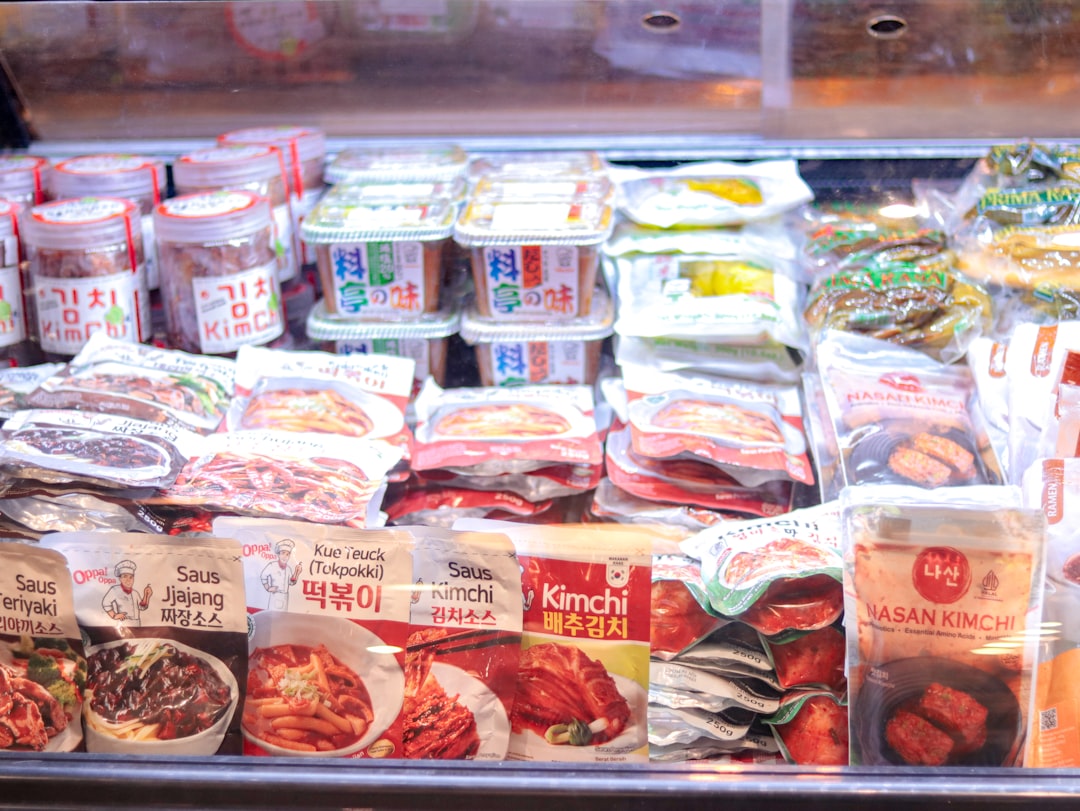
Store brand and name brand products are not automatically better or worse than one another. This guide gives you a repeatable way to compare price, ingredients, performance, package size, and personal preferences so you can decide when a private-label product is a sensible substitution and when the premium for a familiar brand may be worthwhile.
Overview
The most useful question is not “Is store brand better?” It is “What am I paying extra for, and will I notice the difference?” A name brand may offer a flavor, texture, formula, feature, or certification that matters to you. A store brand may provide a similar everyday product at a lower shelf price. The answer can also change by category, retailer, package size, promotion, and household needs.
Compare products in five areas:
- True price: Compare the unit price rather than the package price.
- Product contents: Read the ingredient list, nutrition panel, allergens, and relevant certifications.
- Performance: Consider taste, texture, cleaning results, durability, or convenience.
- Waste and usage: A cheaper product is not a saving if it spoils, breaks, or goes unused.
- Risk and importance: You may be more willing to experiment with flour than with a product needed for a specific dietary or personal-care requirement.
Store brands are often easiest to test in simple, frequently purchased items. Pantry staples, basic frozen vegetables, milk, paper goods, and some cleaning products can be compared with relatively little commitment. Products with highly distinctive flavor, specialized formulas, or strict dietary requirements deserve a closer label and performance check.
How to estimate the better value
Start by recording the shelf price and package quantity for both products. The basic calculation is:
Unit price = total package price ÷ package quantity
Use the same unit for both products, such as price per ounce, pound, fluid ounce, count, load, or sheet. If a promotion requires a minimum purchase, calculate the effective cost only if you are confident you will use every item. Loyalty-card pricing and digital coupons should also be included only when you can actually access and use them.
Next, estimate the cost of the amount you normally use:
Use cost = unit price × quantity used
For products with different performance, add a practical adjustment. For example, if one laundry detergent requires more product per load, compare the cost per load rather than the cost per bottle. For paper products, compare cost per sheet while noting sheet size and thickness. For concentrated cleaners, compare the cost of the ready-to-use amount, not simply the bottle price.
A simple decision score can help when the products are close in price. Rate each product from 1 to 5 for price, quality, performance, convenience, and suitability for your household. Give the most important category extra weight. Someone with food allergies may give label clarity and ingredient suitability more weight than taste; someone buying coffee may prioritize flavor and freshness.
For a broader price check, keep a small price book or use your shopping list to record the unit prices of products you buy regularly. The guide How to Compare Grocery Prices by Unit explains this method in more detail. A familiar baseline helps you distinguish a genuine saving from a temporary shelf-price change.
Inputs and assumptions
Before deciding between generic and brand name groceries, collect the following inputs:
| Input | What to check | Why it matters |
|---|---|---|
| Package size | Weight, volume, count, or servings | Prevents misleading package-price comparisons |
| Unit price | Shelf label or your own calculation | Shows the comparable cost |
| Ingredients | Order of ingredients, additives, and allergens | Identifies meaningful formula differences |
| Nutrition | Serving size and key nutrients | Helps compare like with like |
| Use rate | Loads, servings, sheets, or applications | Shows cost in real household use |
| Quality result | Taste, texture, cleaning, comfort, or durability | Tests whether the saving is worth accepting |
Keep the comparison fair. Match similar versions where possible: regular with regular, unscented with unscented, whole grain with whole grain, and concentrated with concentrated. Check serving sizes because two nutrition panels may use different portions. Also distinguish a formulation difference from a quality problem. A store-brand yogurt with a different texture may be a poor match for your preference, even if its ingredients and nutrition meet your needs.
For allergens, medical diets, infant feeding, and personal-care sensitivities, read the current package every time you switch products. Formulas and facility statements can change, and a previous purchase is not a guarantee of future contents. If a product is essential to your diet or health routine, confirm suitability with an appropriate professional rather than relying on a price comparison alone.
Worked examples
Pantry staples
Suppose a store-brand rice and a name-brand rice come in different bag sizes. Divide each price by its weight, then compare the cost of the amount your household uses in a week. If the cooking time, grain type, and finished texture are acceptable, the store brand may be the practical choice. If the name brand consistently cooks more reliably for a recipe you make often, calculate the premium across the number of meals you prepare rather than judging the entire bag at once.
Dairy and refrigerated foods
For milk, butter, eggs, yogurt, or cheese, compare package size, fat level, style, and use-by information. A lower unit price is less useful if the larger package spoils before you finish it. Test one small package first. For yogurt or cheese, taste and texture can be decisive; for baking ingredients, performance in a familiar recipe may matter more than eating quality on its own.
Frozen food
Compare the drained or usable amount when ice, sauce, or added ingredients make package weights difficult to interpret. For frozen vegetables, check whether the cut and preparation fit your meals. A store-brand frozen vegetable can be a useful substitution if it cooks evenly and reduces the cost of a planned dish. The best frozen foods at a supermarket are the ones that match your recipes, storage space, and actual consumption—not simply the ones with the lowest ticket price.
Cleaning and personal-care products
Performance is more important than bottle size. Compare detergent cost per load, dishwasher product cost per cycle, tissues by usable sheet, and paper towels by sheet or expected use. For shampoo, soap, toothpaste, or moisturizer, check the active or functional ingredients, size, scent, and skin tolerance. Test a small package before buying in bulk. If a product requires more applications or causes irritation, its apparent saving may disappear.
When to recalculate
Revisit your store brand versus name brand decision whenever a key input changes. Recalculate when the shelf price, package size, loyalty price, coupon, or promotion changes. Also check again when the product formula, serving size, concentration, or package design changes. A temporary grocery deal can make a name brand competitive, while a smaller package can make a familiar store brand less attractive even when its sticker price looks unchanged.
Use this practical routine before a major grocery shop:
- Choose two comparable products from the same category.
- Record package quantity, shelf price, and unit price.
- Read ingredients, allergens, serving information, and relevant claims.
- Estimate the cost per use, serving, load, or meal.
- Decide whether the quality difference matters to your household.
- Buy the smaller test size before committing to a bulk package.
- Record the result in your price book for the next shop.
This approach keeps the decision flexible. You can choose store brands for reliable everyday savings, name brands when their distinctive performance is valuable, and either one when a supermarket deal changes the calculation. For related savings decisions, see How to Make a Grocery Price Book and Spot a Real Supermarket Deal and Best Grocery Store Loyalty Programs.