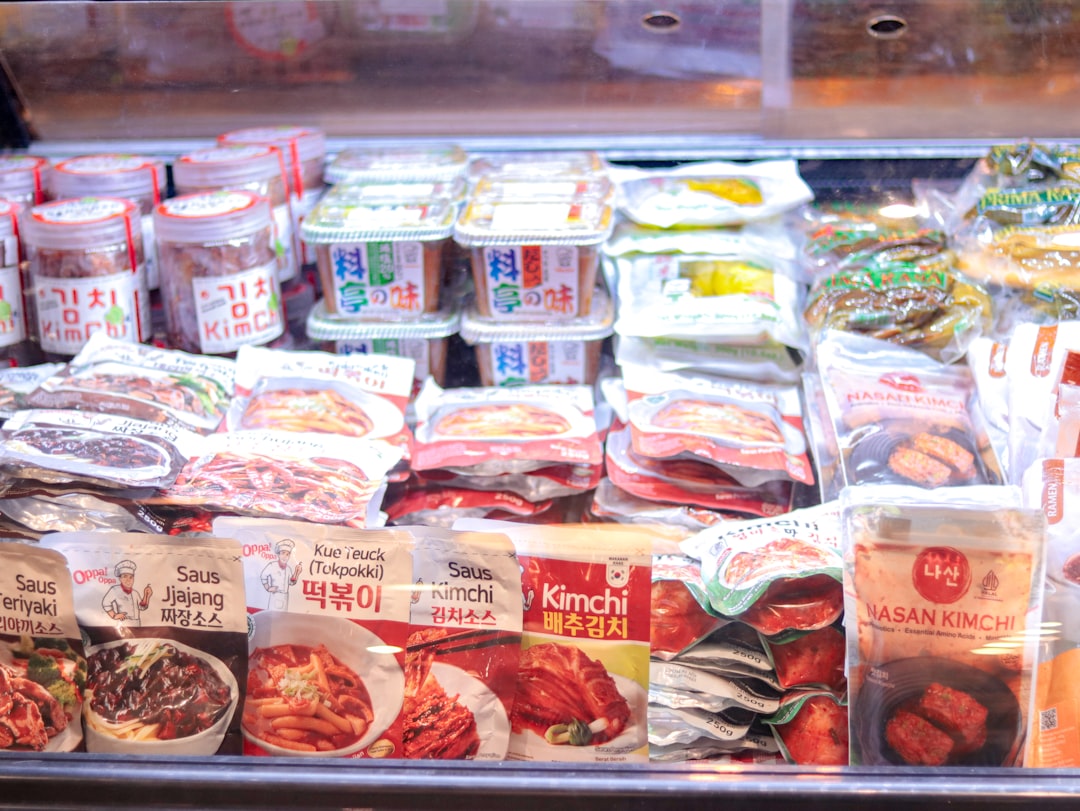
Store brand products can lower a grocery bill, but the best choice depends on the item, the ingredient list, the package size, and how much performance matters to you. This guide gives you a repeatable way to compare store brand vs name brand products, identify safe trade-downs, and decide when an upgrade is worth the extra cost.
Overview
“Store brand” includes supermarket private-label products sold under the retailer’s own labels, while “name brand” refers to a manufacturer’s branded product. The difference is not automatically a difference in quality. It may reflect packaging, marketing, recipe preferences, distribution, or a retailer’s pricing strategy. The useful question is not which type is always better, but whether the higher-priced product delivers a benefit you will notice or use.
A practical comparison has four parts:
- Compare the products on a common unit basis, not just the shelf price.
- Check serving size, ingredients, nutrition information, package count, and product specifications.
- Test taste, texture, cleaning performance, or convenience where those qualities matter.
- Calculate the cost of choosing one product repeatedly over a month or shopping cycle.
Store brand is often an easy place to test savings with basic pantry staples, simple frozen foods, dairy, paper goods, and routine cleaning products. Name brand may be worth considering when a particular flavor, texture, specialized formula, trusted feature, or reliable result is important to you. Personal preference is a valid result: saving money on an item you dislike is not a successful substitution.
For a broader price check, see How to Compare Supermarket Prices Using Unit Pricing. Unit pricing is especially useful when two packages use different weights or counts.
How to estimate
Start with the unit price shown on the shelf label when available. If it is not shown, use this formula:
Unit price = package price ÷ comparable quantity
Use ounces for products sold by weight, fluid ounces for liquids, and count for individually packaged items. Keep the units consistent. A 24-ounce jar and a 32-ounce jar should not be compared by their total prices alone.
Then estimate the difference over your normal buying period:
Estimated savings = (name-brand unit price − store-brand unit price) × quantity purchased
If the store brand costs more, the result will be negative. That is not an error; it shows that the lower-priced option is not necessarily the store brand at that moment. Sale prices, loyalty discounts, digital coupons, package sizes, and temporary promotions can change the outcome, so record the price you would actually pay after eligible discounts.
For products with different formulas, add a value check. Ask whether the cheaper option requires more product per use, produces a noticeably different result, or leads to waste because your household does not enjoy or use it. A small price difference may be worthwhile if the preferred product prevents replacement purchases. Conversely, a larger package is not a bargain if it expires, loses quality, or remains unused.
When a name brand is discounted, compare its final unit price with the regular and promotional price of the store brand. This prevents a familiar label from appearing to be the better value simply because you recognized it first. A weekly ad or loyalty offer can also change which product is the sensible choice; the guide to reading a supermarket weekly ad can help you build comparisons into a shopping list.
Inputs and assumptions
Use the same checklist for every category. Record the date, retailer, package size, shelf price, discount conditions, and unit price. Also note whether the products are genuinely comparable. A standard product should not be compared with an organic, specialty, concentrated, fragrance-free, or otherwise different version without labeling that distinction.
| Category | Often worth testing as store brand | Reasons to consider name brand |
|---|---|---|
| Pantry staples | Rice, beans, flour, sugar, canned vegetables, broth, pasta, basic spices | A specific flavor, texture, ingredient, or cooking result matters |
| Dairy and refrigerated foods | Milk, butter, eggs, plain yogurt, sour cream | You prefer a particular consistency, fat level, culture, or taste |
| Frozen foods | Plain vegetables, fruit, basic potatoes, simple ingredients | Prepared meals, sauces, texture, portioning, or dietary requirements differ |
| Cleaning supplies | Basic dish soap, sponges, paper products, general cleaners | Concentration, scent, surface compatibility, or cleaning performance is important |
| Household basics | Storage bags, foil, trash bags, batteries, and laundry products after testing | Strength, fit, absorbency, battery life, or a specialized feature affects use |
This table is a starting point, not a quality ranking. Read the full label. For food, compare the ingredient order, allergens, serving size, added sugars, sodium, protein, and any feature that matters to your household. For cleaning and household items, check directions, quantity, dimensions, compatibility, and warnings. Avoid assuming that similar front-of-package wording means identical contents.
A blind test can reduce brand bias. Put comparable products in unmarked containers, use the same preparation method, and have the people who normally use the item assess taste, texture, scent, strength, or ease of use. Test one product at a time if possible and record the result immediately. The goal is not a formal laboratory result; it is a practical household decision.
Worked examples
Example 1: A pantry staple
Suppose a hypothetical 24-ounce store-brand pasta costs $1.20 and a comparable name-brand package costs $1.80. The store-brand unit price is $0.05 per ounce, while the name-brand unit price is $0.075 per ounce. If you buy six packages during a month, the estimated difference is $3.60 before any coupons or promotions. If a blind tasting shows no meaningful difference in your usual dish, the store brand is the straightforward trade-down.
Example 2: A cleaning product
Assume a store-brand dish soap costs $3.00 for 24 fluid ounces and a name-brand product costs $4.50 for 28 fluid ounces. The store brand costs $0.125 per fluid ounce; the name brand costs about $0.161 per fluid ounce. However, price alone does not settle the decision. If the store brand requires noticeably more soap per sink or leaves dishes less clean, estimate cost per use instead:
Cost per use = package price ÷ estimated number of uses
If the store brand provides 60 uses, its cost is $0.05 per use. If the name brand provides 100 uses, its cost is $0.045 per use. In this hypothetical case, the higher shelf price may provide the lower cost per use. Measure the result from your own routine rather than relying on package size alone.
Example 3: A frozen food
Compare two frozen vegetable bags by weight, then check the ingredient panel. If both contain only the same vegetable and the store brand has the lower unit price, it is a strong candidate for a direct substitution. If one includes a sauce, seasoning, or different preparation, calculate the value of the added convenience separately. A plain product may be cheaper but require ingredients or preparation time you do not have.
When to recalculate
Recheck your comparison whenever pricing inputs change. Useful triggers include a new supermarket, a package redesign, a smaller or larger package, a formula change, a new loyalty-program price, a recurring sale, or a change in how often your household uses the product. Recalculate when a product moves from occasional use to a weekly staple, because a small unit-price difference can matter more at higher volume.
Review food labels when the ingredient list, allergen statement, serving size, or nutrition panel changes. For household products, retest when performance, scent, concentration, dimensions, or compatibility changes. Keep a short note in your shopping app or pantry list with the preferred product, acceptable substitute, and latest unit price. Update it every six months as a routine, or sooner when you notice a change.
For your next trip, choose three frequently purchased items and run this process: record both final prices, compare unit prices, inspect labels, and test the cheaper option on one purchase. Keep the store brand if it meets your needs; switch back or upgrade when the result is disappointing. Combine the decision with relevant grocery coupon guidance and loyalty pricing, but judge the product on its repeat cost and usefulness. That turns store brand comparison from a one-time opinion into a practical grocery savings habit.