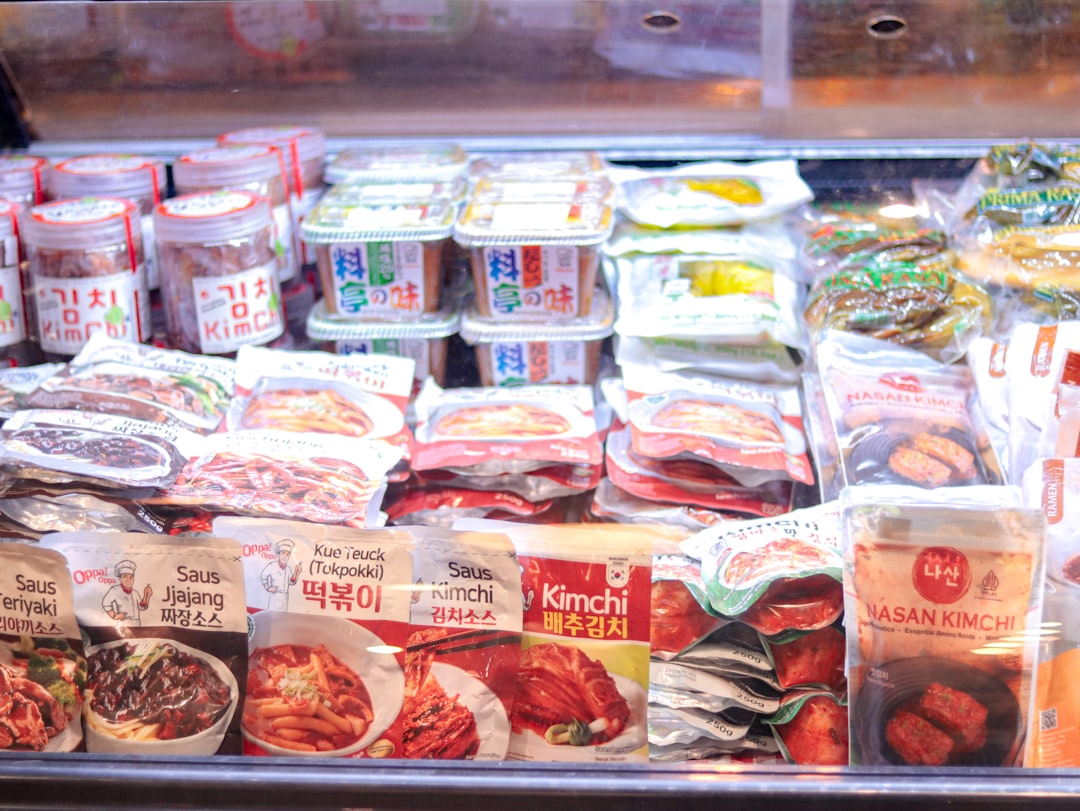
Understanding the connection between fluctuating stock market trends and your grocery bills can empower you to make smarter shopping decisions. Stock market performance influences consumer behavior and spending habits, which in turn affects food prices and availability. In this comprehensive guide, we'll unravel the complex interactions behind these dynamics, presenting clear, actionable insights so you can save money on groceries even when markets are volatile.
1. The Link Between Stock Market Fluctuations and Consumer Spending
1.1 Confidence and Consumer Behavior
The performance of stock markets directly impacts consumer confidence. When stock indices rise consistently, investors — many of whom are also consumers — tend to feel wealthier, boosting spending across sectors, including grocery shopping. Conversely, a downtrend can create uncertainty, leading consumers to tighten budgets and change spending habits. This psychological effect can ripple through the economy affecting demand for various grocery items.
1.2 Wealth Effect and Grocery Spending Patterns
The “wealth effect” describes how increased asset values, such as stocks, encourage higher consumer expenditure. This effect often translates into larger grocery bills due to elevated preferences for premium or organic products. For more on consumer spending habits and managing budgets, see our guide on maximizing savings at convenience stores.
1.3 Market Volatility and Cautious Shopping
Market volatility drives unpredictable consumer behavior and leads to cautious spending. Shoppers may switch to cheaper brands or seek deals and coupons more aggressively. Leveraging digital tools to find current discounts, as explained in Maximize Your Savings with Coupon Codes: A Comprehensive Guide for 2026, helps offset rising costs during these times.
2. How Stock Market Trends Impact Food Prices
2.1 Commodities and Agricultural Stocks
Many food prices are tied to commodities traded on stock markets—corn, wheat, coffee, sugar, and more. Prices for these commodities fluctuate based on supply-demand imbalances, weather impacts, and geopolitical events. These shifts often trickle down directly to shelf prices in your local supermarket. For detailed insights on how commodity price fluctuations affect deals, see Understanding Commodity Price Fluctuations: A Deal Shopper’s Guide.
2.2 Transportation and Logistics Costs
Transportation companies’ stocks also reflect fuel price changes, labor costs, and shipping demand. Rising transport costs can increase grocery bills through higher delivery expenses. Our analysis on Navigating the Fluctuations of Food Shipping: The Influence of Market Prices supports how these factors affect food availability and pricing.
2.3 Inflation, Interest Rates, and Grocery Costs
Monetary policy shifts triggered by stock market trends influence inflation and borrowing costs. Rising inflation can increase production and retail prices, making everyday groceries more expensive. Understanding how inflation impacts budgeting is crucial, and you can explore practical ways to manage rising costs in our article about energy-saving tips to manage home costs, paralleling how consumers control essential expenses.
3. Consumer Spending Habits During Bull and Bear Markets
3.1 Spending during Bull Markets
Bull markets foster optimism, encouraging consumers to spend more freely, upgrade groceries, and experiment with new products. This trend often leads to greater demand for fresh, organic, and specialty foods, impacting how supermarkets stock items and price them accordingly.
3.2 Frugality in Bear Markets
Conversely, bear markets cause consumers to adopt frugal habits, focusing more on staple items and discounts. Strategies from our guide on avoiding grocery premiums illustrate how shoppers find value without sacrificing quality during economic downturns.
3.3 Long-Term Shifts in Spending
Repeated market cycles shape long-term shopper expectations and brand loyalty. Many consumers increasingly rely on digital price comparison tools and online ordering systems to maximize value, discussed further in Maximize Your Savings with Coupon Codes: A Comprehensive Guide for 2026.
4. Stock Market Influence on Grocery Retailers and Pricing Strategies
4.1 Retailer Stock Prices and Operating Budgets
Publicly traded supermarket chains’ stock performance directly affects their investment in inventory, technology, and promotions. Higher valuations allow for more competitive pricing and better deals for consumers.
4.2 Dynamic Pricing and Market Data Integration
Some retailers use algorithms that factor in economic indicators and market trends to adjust prices, balancing profitability with consumer demand. Implementing such technologies parallels developments in AI-powered content delivery discussed in Cloud Revolution: Leveraging AI-Native Infrastructure for Enhanced Content Delivery.
4.3 Consumer Access to Promotions
During unstable markets, many grocery chains ramp up promotions to encourage spending, highlighted in strategies shared for Asda Express convenience stores. Tracking these promotions closely can lead to significant savings.
5. The Role of Investor Sentiment and Market News on Consumer Psychology
5.1 News Impacting Grocery Spending Mood
Media coverage related to stock market instability often shapes consumer feelings about economic security, influencing immediate spending choices. For example, political and economic news can cause consumers to either hold back or increase grocery spending, similar to effects described in Decoding Political Noise: How Content Creators Can Find Clarity.
5.2 Real-World Examples and Data
After major stock market downturns, studies show a measurable dip in consumer grocery expenditures, especially on non-essentials and premium brands. These real-world patterns help retailers and consumers anticipate upcoming price movements.
5.3 Behavioral Economics Insights
Understanding concepts such as loss aversion and delayed gratification enables consumers to plan grocery shopping more strategically during periods of market uncertainty.
6. Practical Tips to Protect Your Grocery Budget Amid Market Volatility
6.1 Leverage Technology and Price Comparison
Use grocery comparison platforms that incorporate local store inventories and deals to find the best prices quickly. This approach complements our advice from Avoid the Grocery Premium: How to Get Aldi Prices Even If You Don't Live Near One.
6.2 Embrace Coupon Codes and Loyalty Programs
Maximize your savings by stacking available coupons and engaging with retailer loyalty rewards, explained extensively in Maximize Your Savings with Coupon Codes: A Comprehensive Guide for 2026.
6.3 Adjust Spending Habit Flexibly
Be ready to shift from luxury to essentials or try private label brands when stock market downturns signal economic caution. Consumer flexibility is critical during these times.
7. Comparison Table: Grocery Spending Behavior in Different Market Conditions
| Market Condition | Consumer Confidence | Spending Behavior | Popular Grocery Categories | Retailer Pricing Strategy |
|---|---|---|---|---|
| Bull Market (Rising Stocks) | High | Increased discretionary spending | Organic, specialty, premium brands | Price stability with selective promotions |
| Bear Market (Falling Stocks) | Low | Conservative, budget-conscious shopping | Staples, value/private labels, discounted items | Frequent promotions, dynamic discounts |
| Volatile Market (Unstable) | Variable | Mixed; opportunistic deal-seeking | Essential goods, bulk buying | Adaptive pricing, flash sales |
| Post-Volatility Recovery | Growing | Gradual return to normal spending levels | Balanced mix of essentials and indulgences | Targeted promotions to regain consumer trust |
| Inflationary Period | Medium-Low | Spending limited to essentials; search for deals | Non-perishables, discount brands | Increased price transparency and promotions |
8. Anticipating Future Trends in Grocery Shopping Amid Market Dynamics
8.1 Growing Influence of Digital Grocery Marketplaces
Digital platforms that consolidate prices and deals locally empower consumers to adapt quickly to market changes. See how technology is reshaping shopping for value in Maximize Your Savings with Coupon Codes: A Comprehensive Guide for 2026.
8.2 Increasing Demand for Transparency and Product Information
Consumers seek more than prices—they want detailed product insights including origin, allergens, and nutrition. Smart ingredient selection powered by AI is improving recipe creation and shopping decisions, showcased in Smart Ingredients: How AI is Revamping Recipe Creation and Ingredient Selection.
8.3 Economic Instability Driving Local-Focused Shopping
Economic disruptions encourage supporting local supermarkets and efficiently finding weekly deals, as emphasized in Asda Express: 7 Tricks to Maximise Savings When Shopping at the New Convenience Stores. Localized inventory and timely promotions play a bigger role.
9. FAQs About Stock Markets and Grocery Bills
Do stock market declines always lead to cheaper groceries?
Not necessarily. While lower consumer confidence can reduce demand and stabilize prices, production costs and inflation pressures may offset these effects, leading to mixed impacts on grocery prices.
How can I predict grocery price changes based on stock market trends?
Watch commodity prices, transportation stocks, and economic indicators like inflation, then correlate these with consumer confidence indexes. Combining this data with local store deal tracking helps forecast price movements.
Are premium groceries affected more by stock market changes?
Yes. Premium and organic product spending is more sensitive to consumer wealth perception, which fluctuates with stock market performance. Budget brands tend to be more resilient during downturns.
What tools can help me save on groceries during economic uncertainty?
Coupon apps, online price comparison platforms, and local store deal alerts are essential. Explore strategies in Maximize Your Savings with Coupon Codes.
How do transportation and logistics affect grocery prices related to the market?
Increases in fuel prices or labor shortages reflected in logistics sector stocks can raise distribution costs, leading retailers to pass those costs to consumers as higher grocery prices.
Pro Tip: Tracking stock market sectors such as commodities and transportation can provide early warning signs for upcoming grocery price swings.
Related Reading
- Understanding Commodity Price Fluctuations: A Deal Shopper’s Guide - Dive into how commodity prices affect everything from staples to snacks.
- Navigating the Fluctuations of Food Shipping: The Influence of Market Prices - Explore how logistics impact food prices and availability.
- Maximize Your Savings with Coupon Codes: A Comprehensive Guide for 2026 - Learn to stack deals and save big on groceries year-round.
- Asda Express: 7 Tricks to Maximise Savings When Shopping at the New Convenience Stores - Tips for making the most of convenience store deals.
- Smart Ingredients: How AI is Revamping Recipe Creation and Ingredient Selection - See how AI helps plan budget-smart, ingredient-conscious meals.