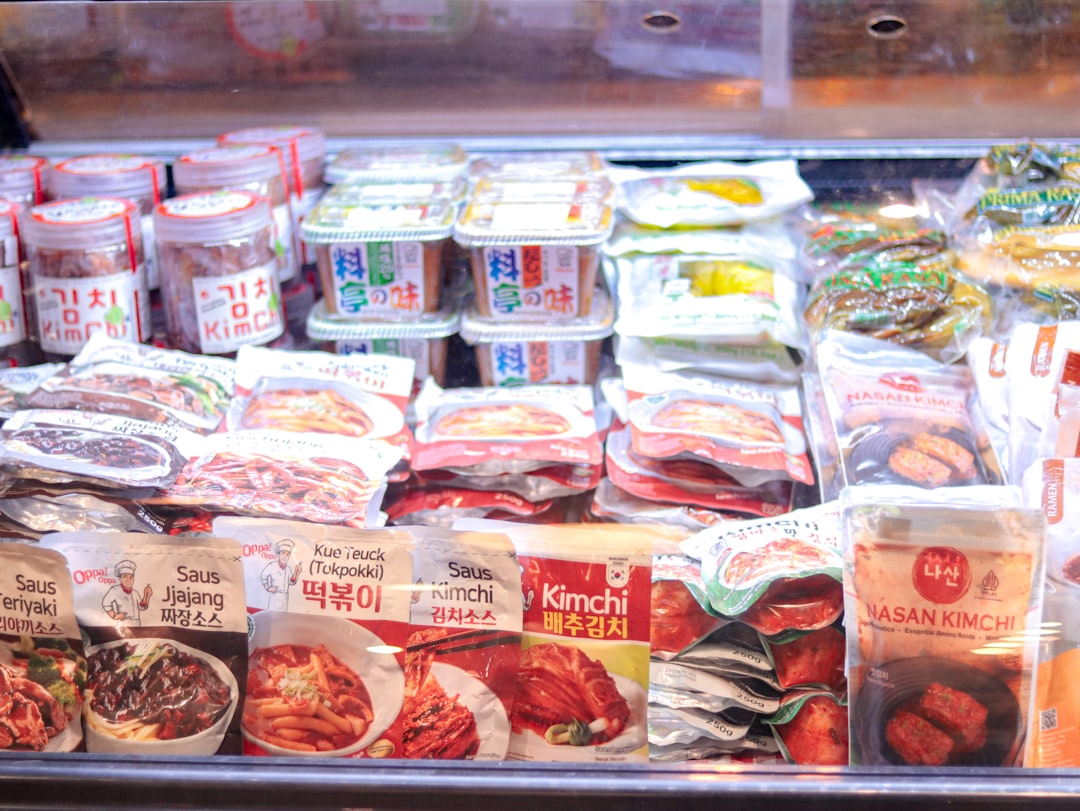
Grocery promotions promise savings, but the real value comes when you learn to read store flyers, stack offers, and use local-first tools so deals translate into real household savings. This guide shows proven, step-by-step tactics to decode promotions—weekly circulars, loyalty offers, digital coupons, and event-driven deals—so you spend less time hunting and more time saving.
1. Why Promotions Exist (and How to Think Like a Retailer)
The retailer's objective
Stores use promotions to drive traffic, move inventory, and increase basket size. Understanding that promotions are marketing tools first—designed to get you in the door—lets you predict which deals are genuine savings and which are loss-leaders meant to upsell other items.
Types of promotional signals
You’ll see four common signals: price cuts in the weekly flyer, buy-one-get-one (BOGO) offers, loyalty-only prices, and manufacturer coupons. Each signal has a predictability pattern: flyers run on a cadence, loyalty promos often match manufacturer coupons, and seasonal events trigger broader category discounts.
Tools retailers use (and how to counter them)
Retailers increasingly use technology to personalize promotions. For an overview of how digital tools integrate with retail operations, read about API solutions for retail document integration—they explain how flyers and digital coupons sync across systems, which affects what you can redeem at checkout.
2. Understand the Promotion Types You’ll See
Weekly circulars and feature ads
The weekly flyer is the foundation of grocery deals. Master reading it and you’ll find staples on sale, planned loss-leaders, and clearance windows. Flyers are also the best place to plan meals around the best-priced proteins and vegetables for the week.
Digital coupons and loyalty pricing
Loyalty pricing and digital coupons can beat flyer prices when stacked correctly. Learn your store’s coupon stacking rules and match digital coupons to flyer prices for maximum savings—more on stacking later.
Event and seasonal promos
Major events (holidays, back-to-school, Super Bowl) produce predictable category-level promotions—think chips and beverages for game day. Watch event windows to save on non-perishables and party essentials; these are often the best times to stock up.
3. Read Store Flyers Like a Pro
Anatomy of a flyer
Start by scanning the center spread for the week’s loss-leaders, then check the periphery for depth-of-discount on staples. Stores rotate which products they push to different days—learning the layout of your local flyers saves minutes each week and lots of dollars per year.
Timing and cadence
Most supermarkets run flyers weekly, some biweekly. Mark the day new flyers land in your local area and set a short alert in your calendar. If you care about perishables, plan shopping on the last flyer day so markdowns are more likely.
Map flyer items to meal plans
Turn the flyer into a menu: identify proteins, grain-based sides, and produce items on sale, then build three to five meals from those items. This is where promotional strategy becomes practical meal planning.
4. Build a Deal-First Shopping Plan
Price-per-unit first
Always convert sale prices to price-per-unit (per ounce, per pound, per count). That will reveal hidden bargain pitfalls—two similar-sized packages can differ in unit price drastically, even when both are advertised as “on sale.”
Prioritize flexible staples
Stock staples (rice, pasta, canned tomatoes, frozen vegetables) when their price-per-unit drops below your target threshold. These items are the least risky to stock and offer the highest leverage on savings over time.
Substitutions and brand-awareness
Learn trusted lower-cost brands and be ready to substitute. Many stores highlight private-label alternatives in the flyer. If you want specifics on how to maximize savings on brand sales, check our piece on smart shopping strategies for brand sales, which adapts brand tactics for groceries.
5. Use Digital Tools Efficiently (Spend Time Upfront, Save After)
Deal-tracking apps and alerts
Use local deal aggregators and store apps for price-matching and digital coupons. Configure alerts for items you buy regularly—this automates the hunt for campaigns relevant to your basket.
Leverage AI for scanning flyers and coupons
Modern tools use AI to scan text and flag matches between your shopping list and current promotions. For ideas on how creators and tools leverage AI to track and surface opportunities, see AI strategies for deal-tracking. The same approaches apply to grocery deals—set rules and let the tool surface mismatches and stacking opportunities.
Master your promo inbox
Newsletter and promo emails are goldmines—and clutter. For practical steps on cleaning and organizing promo communications, read managing online subscriptions and promo emails to reduce noise and surface high-value alerts only.
6. Loyalty Programs, Coupons & Stacking Rules
Know the store's stacking rules
Rules vary: some stores allow a manufacturer coupon + store digital coupon + loyalty discount; others limit stacking. Always check fine print on digital coupons and loyalty terms before relying on stacking for your budget.
Use store credit and gift-card promotions strategically
Occasionally stores offer bonus gift cards when you spend a threshold amount. If you already planned a larger purchase (party supplies, bulk staples), stacking a gift-card promo can lower net cost—treat the gift card as a future discount.
Payment methods that reduce cost
Some promos are tied to specific payment methods (store credit card, app wallet). Compare the net savings after factoring in interest or fees. Our analysis of payment methods that save you money helps you choose the best short-term payment strategy without incurring long-term cost.
7. Timing & Event-Driven Savings
Prepare for event windows
Super Bowl, Easter, Thanksgiving, and back-to-school trigger predictable deals on related categories. Plan ahead and use those promotion periods to stock non-perishables and party-related items.
How to exploit major-event promos
Event promos can be category-wide. For techniques on saving during big events, see our guide on save during major event sales—the same principles apply to groceries: identify event categories and target the deepest discounts.
Watch for parallel retail promos
Big national events often cause multiple retailers to match or accelerate deals. Compare flyers across local stores and use price-matching policies when possible to capture the best deal without traveling between multiple locations.
8. When to Buy In Bulk vs When to Wait
Buy bulk for non-perishables at deepest discounts
If staples hit a price floor that matches or beats your historical low, bulk buy. Use unit price history to determine the threshold below which you always stock up.
Stagger perishables by markdown cycles
Perishables are best bought when near-driver markdowns appear late in the flyer or as clearance. If you can’t consume immediately, buy frozen equivalents or plan meals to consume quickly.
Preorders and locked prices
Preorders can lock in price and extras (coupons, bonus items). For niches and special releases, learn from the tactics in how preorders can lock prices and extras—they translate to grocery prebuys in seasonal or limited-stock scenarios.
9. Avoiding Promotional Traps & Hidden Costs
Unit-price deception
Promotions can hide small-package sizes or weight changes. Always check unit price and package weight—what looks like a lower price might be for 12 oz instead of 16 oz.
Fulfillment and substitution fees
When shopping online, promotional savings can be offset by delivery, substitution, or service fees. Learn how supply-chain choices affect availability and fulfillment by reading about the clearer supply chain and fulfillment impact.
Privacy and targeted deals
Personalized promotions can be useful but raise privacy questions. Know the trade-offs and how your data is used when you opt into deals; see privacy when redeeming digital deals to understand what you share and how it affects offer quality.
10. Real-World Case Studies (Experience & Examples)
Family of four: flyer-first meal planning
A family that matched their two-week meal plan to the flyer and used a loyalty card saved an average of 18% per trip. They focused on rotating proteins and frozen vegetables on sale and bought cereals, grains, and canned goods in bulk during double-discount weeks.
Single shopper: micro-savings, max ROI
A single shopper prioritized price-per-unit and used digital coupons aggressively. By buying fewer brands in larger quantities and using deal alerts, they reduced weekly grocery spend by 12% and cut food waste through better meal mapping.
Small household: local-first discount hunting
For locally grown or artisan items, watching transfers between promotions and local startup pop-ups can yield unique savings and product diversity. Explore how local food & beverage startup deals can be both budget-smart and community-minded.
11. Comparison: Promotion Types at a Glance
| Promotion Type | Best When | Typical Savings | Effort | Best Use Tip |
|---|---|---|---|---|
| Weekly Flyer Deals | Planned weekly shop | 10–40% (item-dependent) | Low (scan & plan) | Build 3–5 meals from flyer items |
| BOGO / Multi-Buy | Non-perishables or freezable goods | 25–50% effectively | Medium (unit-price check) | Use when unit price beats single-item lowest |
| Loyalty / Digital Coupons | Stackable with flyers | 5–30% | Medium (account setup) | Link digital coupons to recurring list items |
| Event-Driven Sales | Holidays, Super Bowl | 15–50% on categories | Low–High (depends on planning) | Buy non-perishables in event windows |
| Clearance / Markdowns | Last days of flyer cycle | 30–70% | High (monitor, flexible) | Get perishable deals only if you can use or freeze |
Pro Tip: Combine flyer items with digital coupons and an event window to multiply savings—your realistic target is 20–30% off a well-planned basket each month.
12. Action Plan: A 7-Step Weekly Routine
Step 1 — Scan and flag (10–15 minutes)
When new flyers post, scan them immediately. Flag items that meet your price-per-unit targets and add them to a “deal” shopping list in your app or notes.
Step 2 — Match digital coupons (5–10 minutes)
Open your preferred store app and link digital coupons to the flagged items. Use AI-powered scans or coupon-match features if available—see how AI strategies for deal-tracking can automate discovery.
Step 3 — Map to meals & buy strategy (15–20 minutes)
Create a 7–14 day meal map using flyer items; choose which items to buy in bulk and which to buy fresh. If you’re managing tight household budgets, read budgeting for families during economic uncertainty for context-driven prioritization on essentials.
Step 4 — Check fulfillment fees
Decide whether to pickup or use delivery based on fees and substitution risk. For insights about how fulfillment choices influence availability, consult supply chain and fulfillment impact.
Step 5 — Protect privacy & accounts
Limit sharing unnecessary data when storing payment or health info for targeted coupons; review guidance at privacy when redeeming digital deals.
Step 6 — Pay smart
Use payment methods that maximize short-term promos without adding cost. See options in payment methods that save you money for a deeper comparison.
Step 7 — Track and iterate
Keep a simple savings ledger for three months to measure the impact of flyer-first planning. Tweak as you learn which promos actually reduce your food spend and which merely shift costs.
13. Extra Techniques: Local-First and Sustainable Choices
Shop local-first for fresh deals and unique promos
Local grocers and markets occasionally run community promotions and one-off discounts on seasonal produce. Learn how local players operate by reading about local food & beverage startup deals—they often appear outside the standard flyer cadence.
Mix sustainable dining choices with savings
Sourcing locally and sustainably can sometimes reduce cost if you align purchases with peak harvest windows. For how local restaurants and producers adapt, consider sustainable dining trends and apply the timing lessons to grocery buying.
Grow what makes sense
If you have space, growing a few staples lowers spend and provides fresh produce during peak growing months. For a starter’s primer, see buying or growing produce smartly to learn which items yield the best return on effort.
14. Further Reading & Related Topics
How food + tech shapes deals
Technology changes how promotions reach shoppers. For a broader view of the food-tech landscape and its effects on pricing and inventory, read food and technology insights.
Protect your data while saving
Balancing the convenience of targeted deals against privacy risks is essential. See privacy when redeeming digital deals for practical steps.
Event-specific savings playbook
Event-driven promotions can be huge opportunity windows—learn to plan ahead. Our event promo tactics connect with broader retail behaviors like those described in event-driven promotions like Super Bowl tech deals to time buys and compare cross-category promotions.
15. Key Takeaways and Next Steps
Start with a weekly 60-minute routine
Invest one hour a week to scan flyers, clip coupons, and set digital alerts. That time typically returns hours saved at the store and 10–30% reduction in monthly spend for engaged shoppers.
Automate where it reduces friction
Use AI tools and coupon-match apps to reduce manual work. If you create rules and leverage automation, you’ll convert a weekly habit into a near-passive savings engine; tools described in AI strategies for deal-tracking are directly applicable.
Measure and refine
Track your baseline grocery spend, implement tactics for three months, then iterate. Small, regular improvements compound into meaningful annual savings—use the checklists and techniques in this guide as your starting block.
Frequently Asked Questions
Q1: Are store flyers still worth reading if I shop online?
A1: Absolutely. Flyers set the benchmark for in-store and online promotions. Many digital coupons mirror flyer prices, and stores often post identical digital promotions. If you shop online, always check flyer anchor items, then compare online fees and substitution policies.
Q2: How do I know if a promotion is a genuine deal?
A2: Convert to unit price and compare with historical lows. If the unit price is the lowest you've seen in the past 6–12 weeks, it’s likely a genuine deal. Also consider total basket cost after taxes, fees, and substitutions.
Q3: Can I trust automated deal-trackers and AI tools?
A3: Most tools are helpful, but validate their alerts against unit price and your own consumption patterns. Use tools as a first pass, not a final judge. See how AI can be applied for deal-tracking in practical ways at AI strategies for deal-tracking.
Q4: How do I keep privacy while getting digital deals?
A4: Use a dedicated email for promos, review app privacy settings, and limit storing sensitive data like full payment details unless there’s a clear convenience payoff. Our guide on privacy when redeeming digital deals outlines choices and trade-offs.
Q5: Should I always buy bulk on promotion weeks?
A5: Buy bulk when the unit price meets or beats your historical low and you have space or can preserve the product. For perishables, only bulk if you can consume, freeze, or preserve without waste.
Related Reading
- Quick & Easy Weeknight Dinners - Simple recipes you can build from flyer-driven staples.
- Cereal Myths - Learn which cereal promotions are worth buying.
- The Wine Collector's Guide - Tips on sustainable sourcing that pair well with supermarket promos.
- TikTok-Inspired Cooking Brands - How social trends affect grocery demand and promotions.
- Solar Gadgets Buyers' Guide - Not grocery-related—but useful if you want smart, energy-saving tools for life on the go.
Start small: pick one flyer, pick three items you buy regularly, and run them through the techniques above. Within a month you’ll know whether a promotion is a real saving or an upsell in disguise. For ongoing tactics and community-tested deals, bookmark this guide and return when new flyers drop.