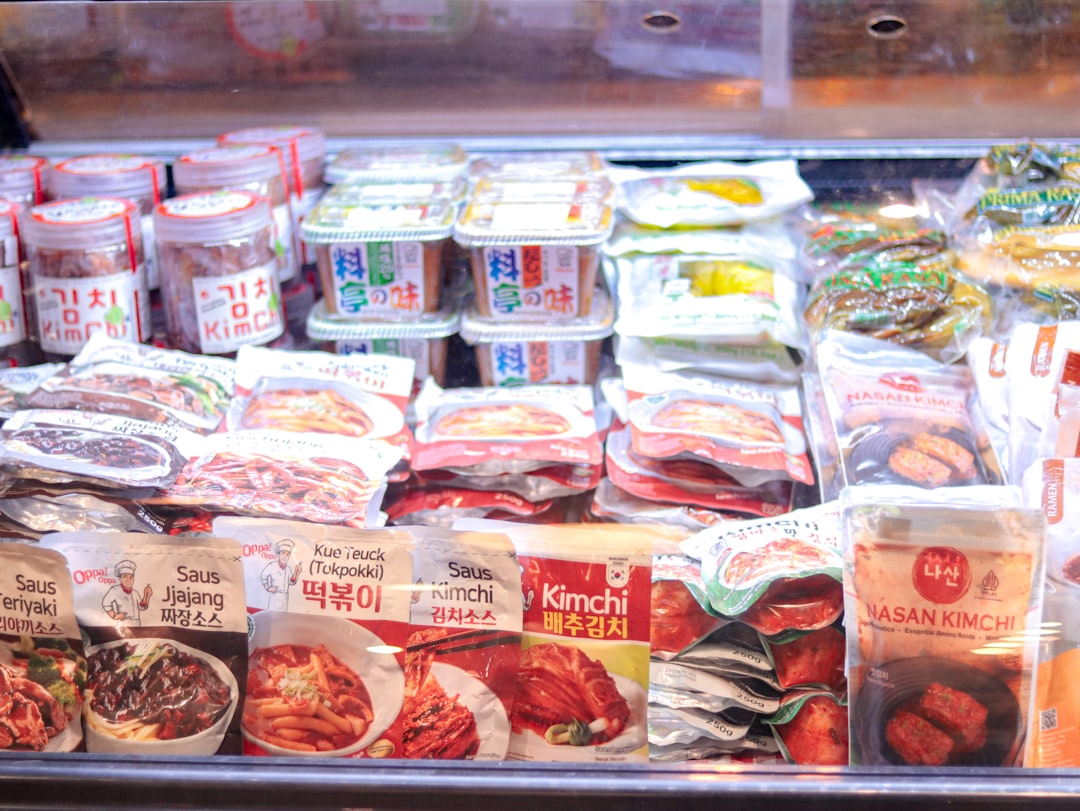
New logistics hubs — regional warehouses, food-grade consolidation centers, and micro-fulfillment locations — are reshaping how groceries reach your kitchen. This guide explains how these facilities improve access to fresh produce, drive price competitiveness, and support sustainable, local-first shopping. Read on for practical steps you can take as a shopper, the tech powering modern hubs, and how your neighborhood benefits economically when distribution gets smarter and closer to home.
1. Why logistics hubs matter for local sourcing
The problem hubs solve
Traditional grocery distribution funnels most items from far-away central distribution centers through long transport legs. That increases time-in-transit, cost, and the risk of spoilage for fresh produce. Regional logistics hubs reduce those legs by acting as local staging points: produce arrives faster and retailers can replenish shelves more often. For supply chain teams, this is a classic case of shortening the replenishment cycle to reduce variability and waste.
Decision-making under uncertainty
Logistics hubs are also an operational response to unpredictable supply and demand. Supply chain managers use the same frameworks as in decision-making under uncertainty to hedge risk — keeping buffer inventory closer to demand centers and using smaller, more frequent shipments instead of infrequent bulk deliveries. The result is fresher shelves and fewer surprise out-of-stocks during storms or sudden demand spikes.
Why local sourcing becomes practical
With a hub within a few hours' radius, grocers can economically source from small regional farms and specialty producers who couldn’t reliably fill a large national pallet. Hubs aggregate small-plot harvests, standardize quality checks, and pass products faster into retail or direct-to-consumer flows — enabling true local sourcing at scale rather than token local labels.
2. How logistics hubs improve fresh produce availability
Shorter journey, longer shelf life
Every hour a head of lettuce spends on a truck shortens shelf life. Regional hubs reduce the journey from days to hours in many cases. That improves flavor and nutrition, and reduces the need for preservatives or sell-by concessions. Retailers can receive smaller, more frequent deliveries and rotate inventory faster, improving overall freshness for shoppers.
Cold-chain and quality control
Modern hubs include cold-chain staging where temperatures are monitored continuously and corrective action can be taken before product reaches shelves. This local thermal buffering is especially important for delicate fruits and herbs. Investing in local cold-chain infrastructure makes small farms' shipments as viable as large-field harvests.
Resilience to weather and disruption
Weather events frequently disrupt long-haul deliveries; designing distribution to withstand localized flooding, temperature swings, and other risks matters. Lessons from commercial design and flood resilience show why investing in site selection and waterproofing at hub locations matters for product continuity — for more on this, see our guide on designing for flood resilience.
3. Price competitiveness: lowering costs without sacrificing quality
Reduced transportation and spoilage costs
Shorter shipments mean lower fuel use and lower spoilage rates, both of which show up directly in pricing. Logistics hubs allow grocers to break bulk into smaller, demand-matched quantities. The savings on both carriage and waste can be redirected into lower retail prices or better margins for local producers.
Freight auditing and smarter routing
As freight becomes more regionalized, auditing freight invoices and optimizing routing gains leverage. Modern practices in freight auditing turn shipping from a fixed cost into a managed expense category, enabling grocers to pass savings to shoppers or invest in additional local sourcing programs.
Dynamic pricing with predictive analytics
Hubs produce data: arrival times, spoilage rates, and demand patterns. Predictive analytics applies that data to adjust orders and pricing dynamically, so promotions can target surplus fresh items instead of creating wasteful markdowns. See how predictive analytics reshapes operational decisions in our piece on predictive analytics — the same principles help grocers balance stock and price.
4. Sustainability and greener shopping
Lower emissions from shorter supply chains
Trimming long-haul trucking reduces diesel use and emissions. Locally positioned hubs enable consolidation of short, low-emission trips — sometimes even last-mile electric delivery — making local sourcing an intrinsically greener option. When grocers commit to regional hubs, lifecycle emissions per product often drop visibly.
Less food waste through better staging
Waste is a sustainability failure. Hubs that standardize quality checks and stage produce can re-route imperfect-but-edible items to discount channels, food banks, or processing, cutting landfill-bound losses. That operational flexibility supports ethical and sustainable shopping choices.
Regulatory and compliance impacts
Automated compliance systems help hubs meet food-safety rules and reduce the environmental cost of recalls. Examples in other sectors show how automation and policy overlap; read how AI is shaping compliance to understand how similar tools fit food logistics.
Pro Tip: Buy from stores that publish delivery frequency and origin labels — frequent replenishment and transparent origin tags are strong signals a store is working with local hubs and shorter supply chains.
5. Impact on the local economy and small producers
Market access for small farms
Many small-scale growers cannot meet minimum order sizes demanded by centralized distributors. Hubs aggregate smaller lots, perform grading and basic packaging, and deliver retail-ready pallets. That opens new revenue for local farms that previously sold only at farmers' markets.
Job creation and skills transfer
Hubs create local jobs: warehouse operations, cold-chain technicians, quality inspectors, and logistics planners. They also anchor training programs that boost workforce skills, which strengthens the regional economy. Technology-backed hubs often require higher-skilled roles, creating opportunities for upskilling programs.
Community safety and retail crime technology
Hubs and local retail infrastructure must balance openness with security. Initiatives that combine community oversight and technology help protect inventory and public investment. Learn how community-driven safety and tech intersect in retail settings in our coverage of community-driven safety.
6. Technology powering modern logistics hubs
Automation and robotics
Automation reduces handling times and improves accuracy for sorting, palletizing, and temperature control. Robotics that once only suited large-scale manufacturing are adapting to warehouse and fulfillment tasks. For a deeper look at robotics in heavy equipment and manufacturing trends that translate to warehouses, see the role of robotics in heavy equipment manufacturing.
Miniaturized, flexible robots for local hubs
Smaller, adaptable robots bridge the gap between full automation and manual handling, allowing hubs to process variable small-lot produce efficiently. Innovations in miniature autonomous systems have practical parallels in warehouse automation — read about the miniaturizing future of autonomous robotics for context on how micro-automation can fit local hubs.
Tracking, sensors and the future of parcel visibility
Continuous tracking and IoT sensors are essential to maintain the cold chain and provide consumers with provenance data. The move toward pervasive, seamless tracking is covered in the future of parcel tracking, and those advances translate directly to grocery hubs — meaning more accurate ETAs and better freshness guarantees.
7. Dealing with constraints and uncertainty in supply
Component and input shortages
Just like tech manufacturers face memory or chip shortages, food logistics must plan for upstream resource constraints. Case studies from other industries — for example, navigating memory supply constraints — offer strategies: diversify suppliers, increase buffer capacity at hubs, and create alternate routing plans.
Weather, infrastructure, and contingency planning
Physical infrastructure changes and outages can interrupt flows. Hubs located with redundancy and designed to cope with infrastructure change — including lessons from smart-home infrastructure approaches in coping with infrastructure changes — are better able to weather local disruptions.
Adapting procurement to volatile inputs
Global commodity swings — for example, fuel or oil — affect food prices. Hubs allow buyers to be nimble: short-term contracts, spot buys with immediate staging, and local sourcing shields retailers somewhat from global price shocks. See how energy trends affect food prices in our analysis of the impact of global oil trends on natural food prices.
8. What this means for consumers — practical shopping advice
How to spot stores using local hubs
Look for stores that advertise frequent deliveries, list local producers by name, or offer same-day pickup from specific regions. Stores that mention real-time ETA or product origins are likely using modern tracking and hub networks. If a store publishes its replenishment cadence, that’s a strong indicator of hub-enabled local sourcing.
Buy seasonal and short-dated items strategically
When hubs enable frequent replenishment, short-dated but high-quality produce often appears at lower prices close to peak harvests. Ask produce managers about upcoming delivery days and timetable your shopping to get the freshest picks at lower cost.
Use digital tools and alerts
Stores with hub networks typically power better digital experiences: precise delivery windows, substitution preferences, and item-level origin tags. Expect improvements similar to the transparency advances described in technology-led workspaces, as in the future of AI in creative workspaces, where better tooling transformed workflows. Enable push alerts for local produce arrivals or flash markdowns to catch deals.
9. Case studies and examples
Regional hub powering rapid replenishment
A mid-sized chain opened a regional hub and reduced replenishment time by 40% for leafy greens. The hub’s cold staging and small-lot picklines allowed daily deliveries instead of weekly ones, cutting waste and increasing customer satisfaction. This mirrors operational strategies discussed in travel and race logistics where timing and staging matter — see travel logistics 101 for similar principles.
Freight auditing drives margin gains
Another retailer introduced freight auditing tools and renegotiated regional carrier contracts, reducing per-case transport costs by 12%. That freed enough margin to test local-only product lines and pass savings to loyalty members. For background on freight auditing modernization, review our feature on freight auditing.
Hubs and predictive ordering
Retailers integrating predictive analytics into hub replenishment lowered stockouts and markdowns. The same predictive models used in digital marketing and SEO are applicable to demand forecasting; see predictive analytics as a reference for how models reshape planning.
10. Implementation hurdles and future outlook
Site selection and capital investment
Setting up a hub requires real estate decisions, cold-chain investment, and labor planning. Capital deployment must be balanced against expected savings and community impact. In many regions, public-private partnerships and incentive programs can reduce initial costs and accelerate return on investment.
Regulatory and tech integration challenges
Interoperability between farm data, hub systems, and retailer ordering platforms is non-trivial. Standards for temperature logging, provenance, and digital invoices are maturing, but successful hubs invest in robust integration and compliance systems — a topic explored in our analysis of how AI is shaping compliance.
What to expect next
Expect more localized hubs, smarter micro-fulfillment centers, and increased automation as tech costs fall and data grows. Chip shortages and component variability have previously disrupted tech rollouts; the industry learned from supply issues like chip supply constraints and now builds flexibility into procurement and rollout schedules.
11. Practical checklist for shoppers and community advocates
For consumers
Ask retailers about delivery cadence, origin labels, and whether they offer local producers a fair margin. Time shopping around scheduled deliveries to get the freshest items, and sign up for alerts that notify you about local harvest arrivals and markdowns. Consider subscribing to community-supported programs that route produce through local hubs for pickup.
For local producers
Work with aggregator hubs that provide simple grading, packaging, and electronic ordering portals. Learn from other sectors on how to cope with supply constraints and lean on local hubs to reduce transport complexity and expand market reach. Case studies in logistics show aggregation often unlocks access to larger retail chains.
For advocates and policymakers
Support grants and zoning flexibility for cold-chain development and micro-hub pilot programs. Encourage shared infrastructure models to lower barriers for small producers and create public data standards for provenance and food safety. Smart policy accelerates hub adoption and amplifies local economic benefits.
12. Comparison: Distribution models and their effects
| Model | Freshness | Price Competitiveness | Sustainability | Best for |
|---|---|---|---|---|
| Centralized DC | Moderate (longer transit) | High for scale items | Lower (long-haul emissions) | National SKUs, shelf-stable goods |
| Regional Logistics Hub | High (shorter transit) | High (reduced spoilage) | Improved (shorter routes) | Fresh produce, local SKUs |
| Micro-Fulfillment Center | High (geographic proximity) | Variable (automation cost vs. speed) | Good (efficient last-mile) | Rapid delivery, urban demand |
| Farm Aggregator / Hub | Very High (direct sourcing) | Good (cuts intermediaries) | Excellent (local, fewer miles) | Small farms, specialty produce |
| Direct-to-Consumer | Very High (farm fresh) | Variable (subscription or premium) | Excellent (minimal transport) | CSA, premium consumers |
13. Final thoughts: the consumer payoff
Better produce, better prices, stronger communities
Logistics hubs create the operational backbone that makes local sourcing scalable. As hubs proliferate, consumers enjoy fresher produce, more competitive prices, and clearer product provenance. In turn, local economies gain stable buyers and job growth.
How to influence change locally
Vote with your wallet and with your voice: prefer stores committed to local sourcing, ask for origin transparency, and support municipal investments in cold-chain and hub infrastructure. When communities recognize the local economic multiplier effect of hubs, adoption accelerates.
Where to learn more
Want to dig deeper into the logistics and tech trends that make hubs work? Explore articles on predictive analytics, parcel tracking advances, and robotics trends linked throughout this guide — they reveal the cross-industry innovations moving groceries closer to your table.
Frequently asked questions
Q1: Are logistics hubs only for big supermarket chains?
No. Hubs can be designed as shared infrastructure that multiple independent grocers, food co-ops, and farm aggregators use. Shared hubs lower entry costs for small retailers and producers.
Q2: Do logistics hubs increase grocery prices because of added infrastructure?
Not necessarily. While hubs require investment, they typically reduce transport and spoilage costs, which can lower retail prices. Efficient hubs and freight auditing often improve margins and competitive pricing — see our freight auditing coverage for deeper context.
Q3: Can I trust origin labels and freshness claims?
Transparency varies by retailer. Stores that publish delivery cadences, use sensor-backed tracking, or name local suppliers provide stronger trust signals. The industry's move toward better parcel visibility and IoT sensors improves provenance accuracy.
Q4: How do hubs handle food safety and recalls?
Hubs centralize lot tracking, temperature logs, and quality inspections, which can accelerate recall identification and targeted removals instead of broad, wasteful withdrawals. Automated compliance tools help maintain these standards.
Q5: What's the timeline for seeing more hubs in my region?
Adoption depends on local demand, logistics economics, and policy support. Some regions already have dense networks; others are piloting. Encouraging local investment and retailer partnerships shortens the timeline.
Related Reading
- Freight Auditing: Evolving Practices - How auditing turned freight from a cost sink into a strategic lever.
- The Future of Parcel Tracking - What improved tracking means for delivery accuracy and freshness.
- Decision-Making Under Uncertainty - Supply chain strategies that reduce risk and improve service.
- Predictive Analytics - How forecasting models inform smarter ordering and pricing.
- Designing for Flood Resilience - Practical resilience measures for distribution facilities.