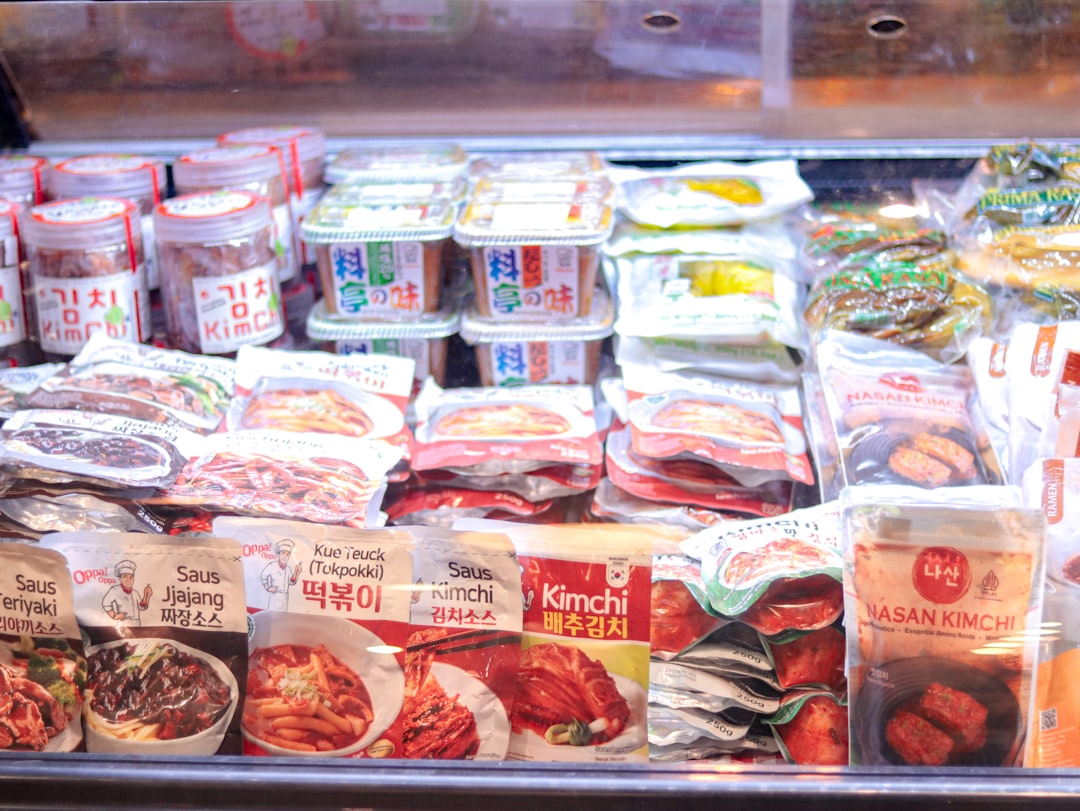
Fresh vegetables last longer when you match the storage method to the vegetable, not when you treat every bag of produce the same. This guide shows you how to store common supermarket vegetables in the fridge, on the counter, or in the freezer so they stay usable longer, taste better, and are less likely to end up in the trash. If you shop weekly, buy fresh produce deals in bulk, or build meals around what is cheapest this week, these simple storage rules can help you reduce food waste produce and get more value from every grocery trip.
Overview
The basic question behind any vegetable storage guide is simple: does this vegetable prefer cold, room temperature, or very cold long-term storage? Once you know that, most of the small decisions become easier.
In general, vegetables fall into a few broad groups:
- Leafy and tender vegetables do best in the fridge with some airflow and moisture control.
- Root vegetables usually like cool, dark, dry storage, though many households use the fridge because it is practical and consistent.
- Warm-weather vegetables such as tomatoes, cucumbers, peppers, and eggplant often keep better at room temperature for short-term use, then move to the fridge if needed.
- Alliums such as onions and garlic prefer a cool, dark, dry spot with ventilation.
- Frozen vegetables or blanched fresh vegetables are the best backup when you will not use them in time.
The goal is not perfection. The goal is to give each vegetable a better chance of staying fresh long enough to be eaten. For most shoppers, that means building a routine around three storage zones:
- Counter or pantry: for vegetables that dislike cold or need to finish ripening.
- Fridge: for fast-spoiling vegetables and most cut produce.
- Freezer: for overflow, batch prep, and vegetables you bought on sale but cannot use this week.
If you are shopping based on seasonal produce or stocking up when you spot strong weekly grocery deals, knowing these zones helps you buy a little more confidently without creating waste.
Core framework
Use this framework any time you bring vegetables home from the supermarket. It works whether you shop in-store, place pickup orders, or use delivery.
1. Sort vegetables before putting them away
Do not put the entire grocery haul directly into one crisper drawer. Instead, sort vegetables into three groups:
- Use first: bruised, cut, very ripe, or highly perishable items.
- Use this week: most greens, broccoli, cauliflower, cucumbers, peppers, mushrooms, zucchini, and herbs.
- Use later: cabbage, carrots, potatoes, onions, winter squash, and whole sweet potatoes.
This quick sort helps with meal planning and keeps the most fragile items visible.
2. Keep vegetables dry unless they are leafy greens
Excess moisture causes many vegetables to rot faster. A common mistake is washing every vegetable as soon as it comes home. In most cases, wash right before use, not before storage. The main exception is leafy greens if you are willing to dry them thoroughly after washing. Clean, dry greens that are wrapped in a towel and stored in a container can be convenient and long-lasting.
If a bag contains visible condensation, open it, dry the produce if needed, and re-store it with a paper towel to absorb excess moisture.
3. Give the fridge the right jobs
The refrigerator is best for vegetables that lose crispness quickly or spoil fast. It is not automatically the best place for every item.
Best candidates for fridge storage include:
- Lettuce and salad greens
- Spinach and kale
- Broccoli and cauliflower
- Carrots
- Celery
- Green beans
- Asparagus
- Radishes
- Mushrooms
- Fresh herbs
Use the crisper drawers if your refrigerator has them. High-humidity drawers are generally better for leafy vegetables and anything that wilts. Lower-humidity drawers work better for produce that should stay drier. If your drawers are not labeled, do not worry too much; the more important step is separating delicate greens from heavier items and controlling moisture with towels or breathable bags.
4. Keep certain vegetables on the counter first
If you are deciding between fridge or counter vegetables, remember that some supermarket staples lose texture or flavor in the cold. These often include:
- Tomatoes
- Cucumbers, for short storage
- Eggplant
- Bell peppers, if using soon
- Summer squash, if using soon
- Potatoes and sweet potatoes
- Onions and garlic
- Winter squash
Room temperature is usually best when the vegetable is not fully ripe, when cold would damage texture, or when you plan to use it within a few days. Once peak ripeness arrives, refrigeration can buy you extra time for some items, even if it slightly changes texture.
5. Freeze on purpose, not as a last resort
Freezing is one of the most practical ways to keep produce fresh longer, especially when you bought extra because of grocery store deals. But vegetables freeze best when you prepare them first.
Good freezer candidates include:
- Broccoli florets
- Cauliflower
- Peas
- Spinach and kale for cooking
- Bell peppers
- Corn
- Green beans
- Chopped onions
- Soup vegetables such as carrots and celery
Many vegetables hold quality better if blanched before freezing. Blanching means briefly boiling, then cooling in ice water, drying, and freezing. It is extra work, but useful when you want better texture and color later. For vegetables headed to soups, sauces, casseroles, or stir-fries, even simple chopped-and-frozen prep can still be worthwhile.
6. Separate ethylene-sensitive vegetables from ripening produce
Some fruits release ethylene gas as they ripen, which can make nearby produce age faster. If you store vegetables next to bananas, apples, avocados, or tomatoes, they may soften or yellow sooner than expected. Keep leafy greens, cucumbers, broccoli, carrots, and herbs away from those ripening fruits when possible.
7. Store cut vegetables differently from whole ones
Once a vegetable is cut, peeled, or trimmed, treat it as a refrigerated item. Store it in a sealed container or wrapped well, and plan to use it soon. Cut carrots, celery sticks, sliced peppers, chopped onions, and prepared broccoli all lose quality faster than whole vegetables, even when refrigerated.
Practical examples
Here is a room-by-room reference for common supermarket vegetables and how to store vegetables in a way that fits real kitchens.
Leafy greens: lettuce, spinach, kale, arugula
Store in the fridge. Remove any damaged leaves, keep the greens dry, and place them in a bag or container lined with a paper towel. If the greens came in a plastic clamshell, you can add a dry towel inside to absorb moisture. Check once midweek and replace the towel if it becomes damp.
Best use order: tender greens first, sturdier kale later.
Carrots, celery, radishes
Store in the fridge. Carrots and celery last longer when kept cold and protected from dehydration. Radishes also do well in the fridge, especially if you remove the leafy tops first so they do not pull moisture from the roots.
Tip: If carrots arrive in a thin plastic bag, move them to a better-sealed bag or container if they start to dry out.
Broccoli and cauliflower
Store in the fridge, ideally unwashed until use. These vegetables need cold storage but not trapped moisture. A loose bag or partially open produce bag works better than a tightly sealed wet environment.
Use first if: you notice yellowing, dark spots, or a strong cabbage-like smell.
Cucumbers
For short-term storage, the counter is often fine, especially if your kitchen is not too warm and you will use them quickly. For longer storage, move them to the fridge, but know that very cold temperatures can sometimes cause pitting or soft spots over time.
Practical rule: if you will eat them within a couple of days, counter; if not, fridge.
Tomatoes
Keep whole tomatoes on the counter while they ripen and while flavor matters most. Refrigerate only when they are fully ripe and you need to slow things down. Chilled tomatoes can become mealy, but that tradeoff may be better than losing them entirely.
Tip: Bring refrigerated tomatoes back to room temperature before eating for better flavor.
Bell peppers and chili peppers
Bell peppers can sit on the counter briefly if you will use them soon, but they generally do well in the fridge for longer storage. Hot peppers also keep well chilled. Store dry and avoid sealing them with trapped moisture.
Zucchini and summer squash
These are delicate. If using quickly, the counter works. For longer storage, refrigerate in a bag that is not airtight. Use before they become soft or pitted.
Potatoes and sweet potatoes
Store in a cool, dark, dry place with airflow, not in the fridge. Refrigeration can affect texture and flavor. Keep potatoes away from onions, since storing them together can shorten storage life for both.
Best setup: basket, paper bag, or bin in a pantry or cupboard away from heat.
Onions, shallots, and garlic
Store in a cool, dry, dark place with ventilation. Do not keep them in sealed plastic. Mesh bags, open bowls, or baskets are better. Once cut, refrigerate the remainder in a sealed container.
Mushrooms
Store in the fridge, ideally in paper or in packaging that allows some breathing. Mushrooms become slimy when trapped with too much moisture. If the store package is fully sealed and wet inside, transfer them to a paper bag or line the container with a paper towel.
Asparagus
Keep in the fridge. One practical method is to trim the ends and stand the bunch upright in a jar with a little water, loosely covered. If that is too fussy, wrap the stem ends in a damp paper towel and refrigerate.
Cabbage
Cabbage is one of the best vegetables for long fridge storage. Keep it whole in the refrigerator until needed. Once cut, wrap the cut side well and use within several days.
Green beans and snap peas
Refrigerate and keep dry. Use fairly soon, since both lose crispness over time.
Corn
Sweet corn is best refrigerated promptly if you are not cooking it the same day. Use it quickly for the best texture.
Fresh herbs
Most tender herbs such as parsley and cilantro do best in the fridge. You can keep them loosely wrapped in a damp towel or stand them in a jar with a little water and cover loosely. Hardier herbs may tolerate different methods, but cold storage is the safest default for mixed grocery hauls.
Freezer examples for busy weeks
If meal plans change, freeze vegetables before they decline. Chop peppers for omelets, slice onions for soups, freeze spinach for smoothies or sautés, and blanch broccoli or green beans for future side dishes. This is one of the easiest ways to turn fresh produce deals into actual grocery savings tips instead of waste.
Common mistakes
The fastest way to reduce food waste is not a special container. It is avoiding a few predictable mistakes.
Washing everything right away
Unless you are thoroughly drying leafy greens for prep, washing before storage usually shortens shelf life.
Sealing vegetables in wet plastic
Condensation is a warning sign. Moisture trapped around produce often leads to slime, mold, or rot.
Storing potatoes and onions together
They are pantry vegetables, but they are not ideal roommates. Separate them.
Putting every vegetable in the fridge
Cold is helpful for many vegetables, but not all. Potatoes, onions, garlic, winter squash, and unripe tomatoes are better elsewhere.
Hiding the most fragile items
Greens and herbs should be visible. If they disappear into the back of a drawer, they often become waste. Put sturdier vegetables lower or farther back, and keep quick-use produce in sight.
Buying large amounts without a storage plan
Fresh produce deals are only good deals if you can use or preserve the vegetables. Before stocking up, think through your week: what will be eaten fresh, what can be cooked first, and what can go to the freezer. This matters as much as price. If you are comparing stores, our guide on unit price comparison groceries can help you judge whether a bigger pack is truly worth it.
Ignoring vegetables after day one
A 30-second midweek check saves a lot. Remove anything damaged, replace damp towels, and move extra vegetables to the freezer before they turn.
When to revisit
Come back to this guide when your shopping habits, tools, or produce mix change. The best storage setup is not fixed forever; it shifts with season, household size, and how you shop.
Revisit your system when:
- You start buying more produce on sale. Bigger hauls need a clearer use-first plan and a freezer strategy.
- You switch to delivery or pickup. Produce may arrive colder, warmer, or more tightly packed, which can change how quickly you need to unpack and dry it. If that is part of your routine, see how to choose the best grocery store for your shopping style.
- The seasons change. Summer tomatoes and cucumbers behave differently from winter root vegetables. For shopping timing, our seasonal produce guide by month can help you plan what to buy fresh.
- You add new storage tools. Better produce containers, breathable bags, or a spare freezer shelf may improve results.
- You notice repeated waste. If the same vegetables keep spoiling, change where they live or buy smaller amounts.
To make this practical, try this five-minute reset after your next supermarket trip:
- Set out all vegetables on the counter.
- Group them into counter, fridge, and freezer.
- Label the most fragile items mentally as use first.
- Line greens containers with a dry paper towel.
- Move one or two extra vegetables straight to freezer prep if you already know the week is busy.
That small routine is often enough to keep produce fresh longer without complicated systems. Over time, you will learn which vegetables your household eats fast, which ones need the fridge, and which sale purchases are actually worth stocking up on. For most shoppers, that is the difference between buying vegetables with good intentions and using them confidently.