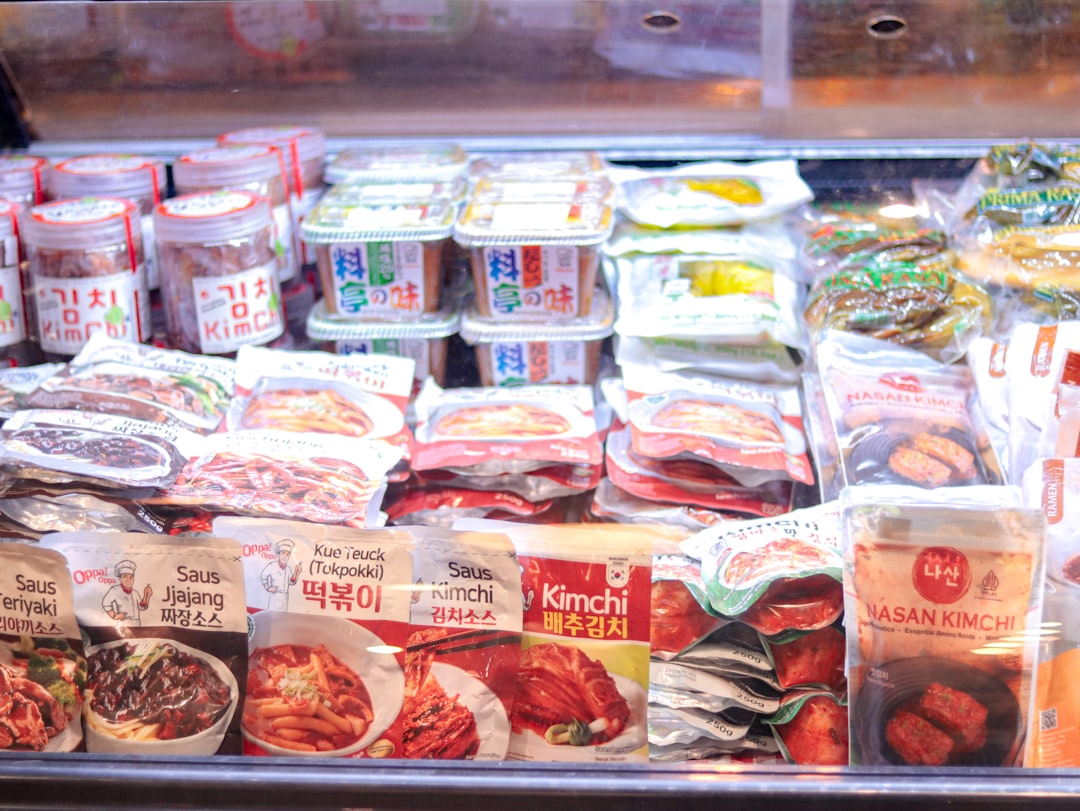
Michelin’s return to Las Vegas is more than a restaurant-industry headline. It is a signal that the city’s high-gloss, high-flavor dining culture is once again setting the pace for what ambitious cooks, meal-kit brands, and supermarket ready meals try to deliver next. Las Vegas has always been a theater of excess, but the most important part of that spectacle for home cooks is not the caviar or the prix fixe menu. It is the idea that the techniques behind those dishes eventually become easier to buy, easier to prep, and easier to repeat at home. If you know where to look, the same restaurant-to-retail pipeline that moves trends from a tasting menu into a grocery aisle is already on your local shelf, including in meal kits, fresh delivery, and even the freezer case.
That matters because the modern shopper does not just want food. They want a shortcut to a great meal without paying restaurant prices, plus the confidence that the ingredients, flavors, and portions will actually work on a weeknight. The best budget gourmet strategy is to understand which Michelin-adjacent ideas are worth borrowing, where supermarkets are already translating them, and how to recreate the effect with practical shopping. For a wider view of how deal timing affects what ends up in your cart, see our guide to how surging supplies impact your grocery bill and the shopper-friendly framework in what actually makes a deal worth it.
Why Michelin’s Vegas Return Matters for Home Cooks
Las Vegas is a test kitchen for ambition
Las Vegas restaurants operate at a unique intersection of luxury, volume, and showmanship. That makes the city a powerful incubator for dining trends because chefs are constantly balancing spectacle with repeatability. Michelin’s return to the Southwest highlights how seriously the industry treats Vegas as a culinary stage, and what happens on that stage often influences menus far beyond the Strip. When a city is known for headline-grabbing tasting menus, sauce work, plating, and premium product sourcing, those themes tend to trickle into retail products as simplified versions that shoppers can actually afford.
In practical terms, the supermarket version of a Michelin trend is usually one of three things: a premium sauce that finishes fast protein, a ready meal that borrows restaurant-style flavor layering, or a higher-end ingredient that makes a simple dish taste more composed. If you want to spot these shifts early, use the same mindset shoppers use to evaluate value in deal scoring and the consumer logic behind healthy grocery savings. The less a product asks you to do, the more it has to get right on flavor.
The restaurant-to-retail pipeline is now faster than ever
In the past, restaurant trends could take years to reach home kitchens. Today, the cycle is shorter because supermarkets, meal-kit companies, and ready-meal brands are actively watching what performs in buzzy dining markets. A striking garnish, a glossy sauce, or a vegetable side with a fine-dining technique can become a grocery product within a season. That speed is part of why savvy shoppers should think like analysts: notice the pattern, compare the options, and buy only the versions that truly deliver. This is similar to the way operators track signals in other industries, as described in retail survival stress tests and monitoring market signals.
What this means for your weekly cart
For home cooks, the payoff is big: you can recreate high-end flavor architecture without the restaurant bill. Think of it as “budget gourmet,” where you spend strategically on the part of the meal that carries the most impact. Often that is a sauce, a finishing oil, a spice blend, or a premium protein cut used in smaller portions. This is exactly where meal kits and curated supermarket ready meals become useful, because they reveal which restaurant trends are actually practical for home use.
The Michelin Trends Showing Up in Supermarkets
Big-flavor sauces are doing the heavy lifting
One of the most visible restaurant trends to move from fine dining into grocery aisles is sauce-forward cooking. In Michelin-level kitchens, sauces are often the part that ties the whole plate together: a bright acid component, a creamy base, a concentrated glaze, or a deeply reduced pan sauce. Supermarkets now sell simplified versions of this idea in jarred sauces, simmer sauces, and finish-at-home meal kits. The reason they work is straightforward: sauces create the feeling of restaurant complexity faster than any other component.
At home, you can borrow that strategy by buying one premium sauce and pairing it with inexpensive ingredients. For example, roast chicken thighs, a bag of frozen green beans, and a garlic-herb or peppercorn sauce will usually beat a bland “all-in” meal kit. If you want to stretch your food budget while still eating well, review our guidance on supply-driven grocery pricing so you can choose sauce ingredients when they are on promotion. A good sauce also hides slight imperfections in budget cuts, which is one reason restaurant techniques are so effective in retail form.
Elevated sides have become the new main event
Fine-dining menus often use sides to signal craft: whipped potatoes, charred vegetables, miso-glazed carrots, buttery mushrooms, or rice finished with herbs and citrus. Supermarkets have noticed that shoppers increasingly want a side dish that feels composed rather than plain. That is why you now see more ready-to-heat vegetable sides, premium grains, and flavored mashed potatoes. These are not just convenience products; they are a direct retail response to the restaurant world’s emphasis on supporting elements that taste intentional.
The smartest way to use this trend is to buy the side once and build the rest of the meal around it. A premium risotto side can anchor seared salmon. Roasted Brussels sprouts with balsamic glaze can make a rotisserie chicken feel elevated. If you need a quick value filter, use the same logic as a shopper comparing package contents in deal worthiness: look for serving size, fat quality, and whether the flavor is doing real work or just adding salt.
Presentation is now part of retail product design
Michelin-style dining places enormous weight on visual appeal, and grocery brands have absorbed that lesson. More premium ready meals now mimic restaurant plating with separated compartments, garnishes, and color contrast. Even when the product is frozen or chilled, the package image promises a composed plate rather than a generic tray dinner. That visual language shapes expectations, and when the actual meal matches the image, shoppers are more likely to reorder.
If you are shopping for this category, do not ignore packaging clues. Separated components usually reheat better than fully mixed dishes, and a visible herb finish often signals an effort to preserve freshness. Pair this with the buying discipline from last-chance deal alerts to catch premium meals near markdown windows, especially in the refrigerated case. For a truly polished plate at home, transfer the food to a white plate and add one fresh element, like sliced scallions or lemon zest.
How Supermarkets Translate Fine Dining into Affordable Products
Meal kits act like training wheels for restaurant technique
Meal kits are the clearest bridge between restaurant trends and home cooking because they package technique, timing, and portioning into a repeatable format. A good meal kit borrows from fine dining by controlling the variables that usually make home cooking stressful: mismeasured spices, incomplete sauces, and unclear sequencing. For shoppers trying to explore Michelin-style cooking on a budget, meal kits are especially useful when they include premium flavor boosters such as demi-glace-style sauces, chili crisp, compound butter, or finishing oils. See our guide on getting more value from meal kits to decide when the convenience premium is actually justified.
The mistake many shoppers make is treating meal kits as all-or-nothing. In reality, they work best as a source of structure. You can use the kit’s sauce and vegetable prep while substituting your own protein or pantry starch. That hybrid method is one of the best budget gourmet tactics because it captures the restaurant feeling while reducing cost per plate. Think of the kit as a template, not a command.
Premium ingredients let you “cheat” like a chef
Luxury restaurant food often feels expensive because it uses a few carefully chosen ingredients that carry disproportionate impact. Supermarkets have learned to sell those ingredients in accessible forms: truffle oil, finishing salts, fresh pestos, imported pastas, cultured butter, specialty cheeses, and high-quality frozen seafood. These are not necessary for everyday cooking, but used strategically, they create the same flavor density that people associate with home fine dining. The trick is to buy one premium item and keep the rest simple.
For example, a jar of preserved lemon or a block of Parmesan can transform roasted vegetables and pasta with almost no extra labor. In the same way, a better olive oil can elevate soup, salad, and bread. If you are choosing between two products, compare them the way an analyst compares signal quality: read the ingredient list, look for clean flavor drivers, and avoid paying extra for packaging alone. That practical approach mirrors the logic behind visibility and brand optimization in crowded markets, where the strongest message wins attention.
Ready meals are becoming “chef-inspired” for a reason
Supermarket ready meals have moved beyond generic pasta bakes and toward cuisine-forward dishes with recognizable restaurant cues: black garlic, gochujang, brown butter, chimichurri, coconut curry, or miso glaze. These flavor cues are the retail equivalent of a Michelin menu’s signature move. They make a meal feel current, premium, and globally informed, even when the preparation is simple. For shoppers, the challenge is to separate genuinely good execution from marketing gloss.
Look for ready meals with short heating instructions, visible vegetables, and distinct components that remain separate after reheating. The best products often look almost under-sauced in the package because the final garnish or sauce is added at the end. That is a clue that the brand understands restaurant-style finishing. To improve your odds, use seasonal timing and markdown tracking from seasonal sales and clearance events and pair it with expiring discount alerts when buying chilled prepared foods.
Budget Gourmet at Home: The Smartest Ways to Recreate Vegas Fine Dining
Choose one “luxury” element and keep the rest lean
The easiest way to recreate home fine dining is to pick one thing that tastes expensive and let everything else support it. A steak does not need a second premium protein. A salmon fillet does not need another fancy centerpiece. What it needs is a sauce, a crisp vegetable, or a texture contrast that signals intent. This is the same logic behind many Las Vegas tasting menus, where a single exceptional component anchors the plate.
A practical formula is protein + sauce + green vegetable + starch. Buy the most flavorful sauce you can find, then use a lower-cost protein that cooks well, such as chicken thighs, pork tenderloin, tofu, or canned salmon patties. For the sides, lean on a ready-to-heat grain, frozen vegetables, or a bagged salad with a high-quality dressing. That combination typically costs far less than restaurant dining and gives you better control over salt, portions, and leftovers.
Build a “restaurant pantry” once, then reuse it
Home cooks who consistently pull off budget gourmet meals usually keep a small pantry of high-impact ingredients. That pantry might include Dijon mustard, soy sauce, fish sauce, tomato paste, finishing vinegar, capers, chili crisp, miso, pasta, butter, and one good olive oil. These ingredients are inexpensive relative to their impact because they create layers of acidity, umami, fat, and brightness. They are the at-home equivalent of the techniques Michelin restaurants use to make a dish taste complete.
To keep this pantry affordable, buy when you see sales and avoid overcommitting to oversized specialty items. Use the same efficiency mindset described in deal score guidance, and do not be afraid to substitute store brands for basics while reserving premium spend for flavor-critical items. If your budget is tight, a well-stocked pantry will do more for your meals than a one-time splurge on a single luxury ingredient.
Use visual upgrades that cost almost nothing
One reason fine dining feels special is that the plate looks deliberate. You can replicate that feeling at home with inexpensive finishing touches: chopped herbs, lemon wedges, toasted seeds, flaky salt, black pepper, or a drizzle of oil. These are tiny upgrades, but they change the emotional experience of the meal. Even a supermarket ready meal looks more considered when you add one fresh garnish and move it out of the plastic tray.
For more ideas on making everyday products feel premium without overspending, it helps to think like a merchandiser. The same instincts that make a product look better on the shelf also make it taste better on the table. That is why visual restraint matters. A simple white plate, good lighting, and one contrasting color can make budget ingredients feel like a chef’s dish.
How to Shop the Trend Without Overspending
Read the label like a value analyst
When restaurant ideas land in supermarkets, packaging can be misleading. “Chef-inspired” and “restaurant-quality” are not guarantees of flavor or value. Instead, read ingredient lists for real culinary markers: butter, garlic, shallots, acid, herbs, and recognizable vegetables. If a sauce gets its flavor from concentrates and sugar before it gets to seasoning, it may taste flat despite looking premium. This is where a careful shopper wins.
Compare per-serving costs, but also compare time saved and cleanup avoided. A slightly more expensive ready meal can be worth it if it replaces multiple ingredients and eliminates waste. On the other hand, if a premium meal kit still requires heavy supplementation from your pantry, it may not be as cost-effective as buying the components separately. For broader context on how price pressure moves through household categories, see our grocery bill guide.
Buy store brand in the background, spend on the foreground
One of the best budget gourmet techniques is to mix store-brand staples with one premium star ingredient. Use store-brand pasta, rice, frozen vegetables, and canned tomatoes. Save your money for the sauce, cheese, oil, or spice blend that creates the restaurant effect. That approach keeps average cost per meal down while preserving the sensory payoff that makes the dish feel special.
This is also a smarter way to shop when supply volatility or seasonal price swings affect grocery aisles. The less expensive supporting ingredients absorb the bulk of the meal cost, so when a premium item is on sale, you can buy it confidently. For a shopper mindset that keeps you alert without overbuying, combine this with the timing strategies in seasonal clearance events and last-chance deal alerts.
Shop with a menu, not a mood
The best way to avoid overspending is to plan one theme-based dinner before you enter the store. If your theme is “Vegas steakhouse,” buy a protein, a rich sauce, one vegetable with a charred profile, and a potato or grain side. If your theme is “modern tasting menu,” buy salmon or tofu, a bright herb sauce, and a crisp salad element. This menu-first mindset helps you reject random extras that dilute both the budget and the concept.
If you need a structure for planning around sales, our meal kit savings guide and deal score framework can help you decide whether a product belongs in your cart. The result is less waste, fewer impulse buys, and more dinners that feel intentional.
Comparison Table: Fine Dining Idea vs. Supermarket Version vs. Budget Home Version
The following comparison shows how restaurant-level ideas typically translate into grocery products and how you can recreate them affordably at home.
| Restaurant Trend | Supermarket Version | Budget Home Version | What to Look For |
|---|---|---|---|
| Umami-rich pan sauce | Jarred finishing sauce or skillet sauce | Butter + soy sauce + garlic + lemon | Short ingredient list, real fats, acid balance |
| Composed vegetable side | Ready-to-heat premium vegetables | Frozen veg roasted with olive oil and herbs | Visible vegetables, not just sauce |
| Chef-plated protein | Premium ready meal with separated components | Chicken thighs or salmon with garnish | Distinct components, not mushy packaging |
| Global flavor profile | Meal kit with bold spice blend | Store-brand grain bowl with chili crisp | Actual spices, not only sugar and salt |
| Luxury finishing touch | Specialty cheese, truffle oil, herb oil | Parmesan, herbs, toasted seeds | One high-impact finishing element |
Three Sample Dinners Inspired by Michelin-Style Vegas Dining
1. Steakhouse night for under restaurant price
Buy a modest steak cut or chicken thighs, a jar of peppercorn or mushroom sauce, and bagged salad plus frozen potatoes. Cook the protein simply, heat the sauce at the end, and add a crisp green vegetable. You get the steakhouse effect because the sauce does the culinary heavy lifting. If you find the sauce on markdown, the whole meal becomes an easy win.
To stretch the meal further, use the leftovers for lunch sandwiches or a grain bowl the next day. This is exactly the kind of multipurpose strategy that helps shoppers get more value from premium products, similar to the principles in meal kit savings.
2. Fine-dining salmon bowl with supermarket ingredients
Cook salmon, then finish it with miso glaze or citrus butter. Serve it over microwave rice with a cucumber salad and a sprinkle of sesame seeds. The key is contrast: rich fish, bright acid, soft starch, and a fresh crunch. This mirrors how restaurant plates balance flavor and texture to keep each bite interesting.
If salmon is too expensive that week, substitute tofu or boneless chicken thighs and keep the same glaze-plus-salad structure. The dish still feels upscale because the composition remains the same. For timing your purchase, check seasonal promotions and markdown patterns before buying premium seafood.
3. Modern tasting-menu bowl for weeknight speed
Build a bowl with a base of grains, a ready-made roasted vegetable side, a protein of choice, and one bold sauce such as chimichurri, romesco, or chili crisp. Finish with herbs and a squeeze of lemon. This is the simplest route to home fine dining because it creates layers without complicated technique. The bowl format also reduces cleanup, which makes it more likely you will repeat the meal.
Use this meal when you want the experience of a chef-driven plate without a multi-step recipe. It is especially effective for shoppers who want speed and value in one place, the same motivation behind local-first convenience models and ordered meal kits.
What Las Vegas Dining Trends Tell Us About the Future of Grocery Shopping
Consumers want premium, but they want it simplified
The return of Michelin attention to Las Vegas is a reminder that the dining world still rewards innovation, but consumers increasingly expect that innovation to arrive in forms they can use at home. That is why supermarket ready meals are becoming more sophisticated, why meal kits keep improving, and why premium ingredients are finding shelf space in mainstream stores. The market is not just selling food anymore; it is selling the feeling of being able to cook like a restaurant without the complexity.
In that sense, the grocery aisle is becoming a translation layer between chef ambition and household reality. The strongest products are the ones that preserve the spirit of the trend while stripping away the labor that makes it impractical. That is the same pressure shaping many other retail categories, from pricing strategy to assortment planning.
Trust and clarity are now part of the premium promise
The more upscale a food product claims to be, the more consumers expect transparency. Ingredients, sourcing, allergen information, and reheating instructions matter more when you are paying extra for a ready meal or meal kit. Supermarkets that do this well build trust quickly, because they help the shopper feel confident rather than tricked. The lesson from fine dining is not just taste; it is care, consistency, and precision.
That is why the best home fine dining products usually feel specific, not vague. They tell you what the flavor is supposed to be, how it should be finished, and what the meal is trying to imitate. For shoppers, clarity is part of the value.
Your goal is not to copy Michelin — it is to borrow the best parts
You do not need a tasting menu budget to eat well at home. You just need to identify the restaurant tricks that matter most: a deeply flavored sauce, an elevated side, one premium ingredient, and a plate that looks intentional. Once you understand that formula, supermarkets become a toolkit instead of just a supply run. That is the real opportunity hidden inside Michelin trends.
As a final rule, spend where the flavor lives. Save on the supporting cast, and let one or two carefully chosen products do the restaurant-level work. If you keep that principle in mind, the Las Vegas fine dining playbook becomes a practical, repeatable home-cooking strategy.
Pro Tip: If you are choosing between a plain ready meal and a “chef-inspired” one, pick the product with the strongest finishing cues: visible herbs, separate sauce pack, bright acid element, or a crisp vegetable side. Those details usually signal better execution than the fancy label alone.
Frequently Asked Questions
How do Michelin trends reach supermarket shelves so quickly?
Retailers and meal-kit brands constantly monitor restaurant trends, social media, and regional dining buzz. When a flavor combination or cooking style starts appearing in high-profile kitchens, brands simplify it into products that can be mass-produced and reheated at home. This is why you see premium sauces, global spice blends, and chef-inspired ready meals follow restaurant headlines so closely.
What is the easiest Michelin-style upgrade for a budget dinner?
A strong sauce is usually the fastest upgrade. A jar of peppercorn sauce, miso glaze, chimichurri, or even a well-made pan sauce can make inexpensive protein taste restaurant-quality. Add one fresh garnish like herbs or lemon zest, and the meal feels much more composed.
Are meal kits worth it for home fine dining?
Yes, when they teach you a technique or include a premium element you would not buy separately. Meal kits are best when they save time, reduce waste, or provide a sauce or spice blend that meaningfully improves the dish. If the kit is expensive but still needs extra ingredients to taste good, it may not be the best value.
What should I look for in supermarket ready meals?
Look for clear separation of components, recognizable ingredients, and a sauce or finishing element that sounds intentional rather than generic. Meals with visible vegetables and a distinct flavor profile usually reheat better and taste fresher. Also check the serving size and ingredient list so you know whether the premium price is justified.
How can I make a simple home meal look like fine dining?
Use a white plate, keep portions neat, and add one contrasting color or texture. A sprinkle of herbs, a drizzle of oil, or a wedge of lemon can make a huge difference. Fine dining is often as much about restraint and presentation as it is about ingredients.
What is the best budget gourmet strategy overall?
Spend on one high-impact item and keep everything else simple. That could mean a premium sauce, a specialty cheese, or a standout spice blend. Pair it with inexpensive staples like rice, pasta, frozen vegetables, or store-brand grains to keep the meal affordable while still feeling elevated.
Related Reading
- Healthy Grocery Savings: How to Get More Value from Meal Kits and Fresh Delivery - Learn when meal kits beat buying ingredients separately.
- Sugar Rush: How Surging Supplies Impact Your Grocery Bill - See how supply shifts affect everyday grocery prices.
- What Actually Makes a Deal Worth It? A Deal-Score Guide for Shoppers - Use a smarter framework before you add anything to cart.
- A Bargain Shopper's Guide to Seasonal Sales and Clearance Events - Learn how to time purchases for maximum savings.
- Last-Chance Deal Alerts: How to Spot Expiring Discounts Before They Disappear - Catch markdowns on premium foods before they’re gone.