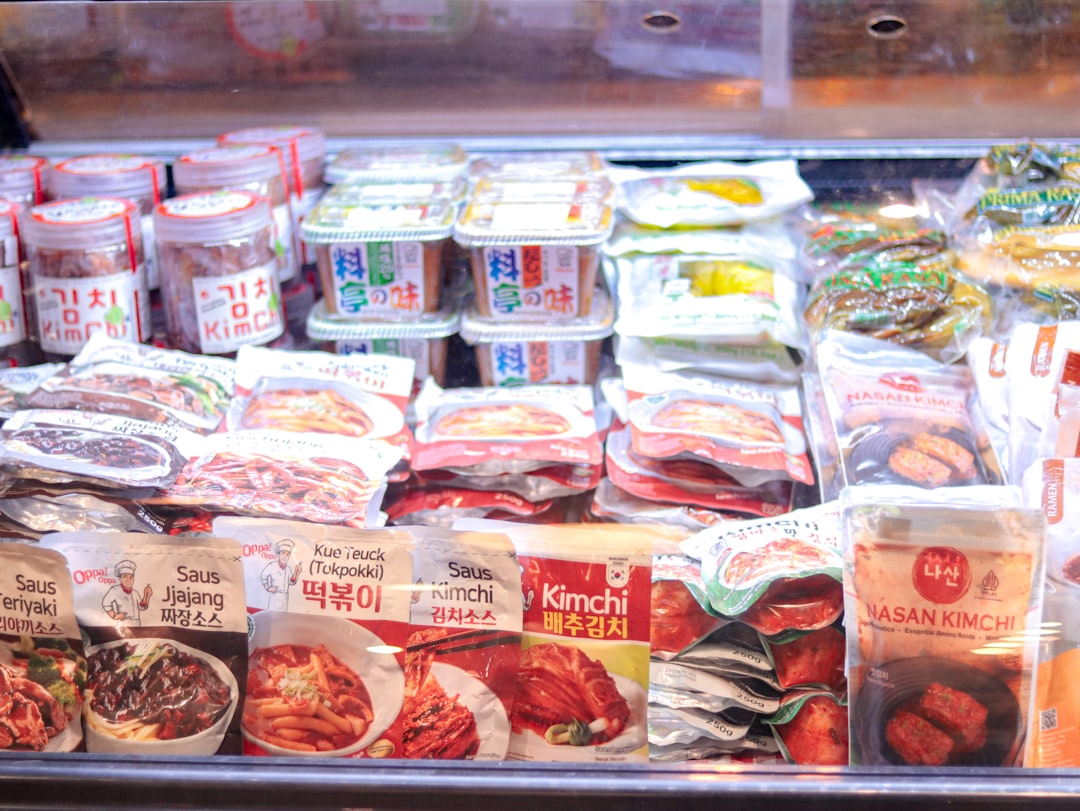
If you order groceries online regularly, the real question is not whether digital shopping works. It is which service fits your week with the fewest trade-offs. This guide compares curbside pickup and home delivery in practical terms: cost, timing, substitutions, produce quality, coupon use, and how much control you keep over the order. The goal is simple: help you choose the best online grocery option for your routine now, and know exactly what to recheck when store policies, fees, or local availability change.
Overview
Curbside pickup and delivery both solve the same problem: getting groceries without walking every aisle yourself. But they are not interchangeable. For some shoppers, pickup is the better balance of savings and convenience. For others, delivery is worth the added cost because it removes the final errand from the day.
In a basic curbside pickup model, you place an order through a grocery store app or website, select a time window, drive to the store, and have the order loaded into your car. In a delivery model, the order is shopped and brought to your home. Some stores run delivery directly; others route it through a partner platform. Store details vary, but the shopper experience usually comes down to five questions: How much does it cost, how reliable are time slots, how good are substitutions, how easy is it to use store deals, and how much effort remains on your end?
That distinction matters because a service that looks cheapest at checkout is not always the best fit in real life. A parent trying to avoid unloading children into a busy store may value delivery more than a small savings from pickup. A budget-focused shopper who already passes the store on the commute may prefer pickup because it often avoids some of the extra charges associated with home drop-off.
The source material available for this article confirms at least one enduring point: some major grocers actively support online grocery delivery and integrate rewards and digital coupons into that experience. Randalls, for example, promotes online grocery delivery and highlights the use of its rewards and coupons to save money. That matters because the best choice is not just pickup versus delivery in the abstract. It is pickup versus delivery at the stores available to you, under each store’s pricing, loyalty, and coupon rules.
How to compare options
The fastest way to decide between grocery pickup or delivery is to compare one real weekly order, not a hypothetical cart. Build your normal basket using the items you actually buy: milk, eggs, bread, produce, frozen vegetables, snacks, proteins, pantry staples, and any household basics. Then compare the two services side by side.
Start with total cost. Look beyond item prices. Check for service fees, delivery fees, minimum order thresholds, possible bag fees, and tip expectations where relevant. Pickup may look more attractive if the order total is the main number you care about. Delivery may still win if it replaces a trip you would otherwise struggle to make.
Next, compare deal access. Some stores apply loyalty pricing, weekly grocery deals, and digital coupons seamlessly across pickup and delivery. Others may handle promotions differently depending on the fulfillment method. If you rely on supermarket deals, weekly ad grocery discounts, or clipped coupons, make sure the same savings show up in both carts before you decide. For readers who want to improve this part of the process, Best Supermarket Apps for Digital Coupons, Weekly Ads, and Pickup Orders is a useful companion.
Then look at time and slot quality. The best service is often the one with dependable scheduling. A low-cost pickup option is less helpful if the next available window is too late for dinner planning. A delivery service is less convenient if the only slots are broad, expensive, or hard to predict.
After that, review substitution controls. This is one of the biggest quality differences between stores and service models. You want to know whether you can mark items as no substitutions, choose preferred backups, or approve changes during the shop. This matters most for fresh produce deals, baby items, allergy-sensitive foods, and specific store brand vs name brand preferences.
Finally, compare friction. Ask yourself which option leaves fewer tasks unfinished. Pickup still requires driving, checking in, and being available at the selected window. Delivery removes the drive but may require someone to receive perishables promptly or respond to in-app messages. For busy households, friction often matters more than a small dollar difference.
A simple comparison checklist looks like this:
- Does the store honor loyalty pricing and grocery coupons on both options?
- Are pickup fees lower than delivery-related charges?
- How easy is it to reject or edit substitutions?
- How soon can you get a slot?
- Do you trust the store’s produce and perishables selection?
- How much time does each option actually save?
If you want a broader savings comparison beyond service type alone, see Online Grocery Delivery vs In-Store Shopping: Which Is Cheaper After Fees and Tips? and Cheapest Grocery Stores Near Me: How to Compare Prices, Fees, and Membership Costs.
Feature-by-feature breakdown
Here is where curbside pickup vs delivery groceries become easier to judge in everyday terms.
1. Cost and fees
Pickup usually has the edge for shoppers focused on cheap groceries and predictable spending. Even when pickup carries a fee, it is often easier to absorb than the layered costs that can come with delivery. Delivery may include a service charge and other extras depending on the store or platform. That does not make delivery a bad value; it just means the convenience is more visible on the receipt.
Budget-conscious shoppers should also watch for membership programs, first-order offers, and loyalty perks. Since the source material shows Randalls tying online grocery ordering to U rewards and coupons, it is fair to say some grocers make delivery more competitive by folding store savings into the order process. If your preferred store has a strong app and loyalty program, the gap between pickup and delivery can narrow.
2. Control over substitutions
Pickup often feels safer if you are particular about brands, package sizes, or produce ripeness, because you can inspect the order before driving away or address an issue while still at the store. Delivery can still work well, especially when the app allows real-time messaging and substitution approval, but the experience depends more on the store’s systems and the quality of the person assembling the order.
This is especially important for store brand vs name brand decisions. If you are ordering to save money, you may prefer a lower-cost store brand. An automatic substitution to a pricier national brand can change the value of the order. The more tightly a store lets you manage substitutions, the better both pickup and delivery perform.
3. Produce and perishables
Fresh food is often the deciding factor. Home delivery is excellent when the store consistently selects good produce and packs refrigerated and frozen items well. But if you frequently buy delicate berries, avocados at a precise stage, herbs, leafy greens, or meat for same-day cooking, pickup can offer more peace of mind because the handoff is shorter and you can catch problems sooner.
For shoppers who care about fresh produce deals, the issue is not only price but suitability. The best supermarket prices are not useful if the bananas are greener than you need or the salad mix is too close to its date for your plan. Pickup gives slightly more control here, even though neither option matches choosing the item yourself in person.
4. Time savings
Delivery wins if your goal is to remove the errand entirely. That is its clearest advantage. If you work irregular hours, care for children, have mobility constraints, or simply need groceries to appear with minimal disruption, delivery convenience groceries can be worth paying for.
Pickup, however, can be surprisingly efficient for shoppers who already drive near the store. If the pickup lane is well run, it can turn a one-hour in-store trip into a ten-minute stop. In that case, pickup offers most of the online shopping benefit without the full premium of delivery.
5. Scheduling reliability
Not all stores manage order windows equally well. Some have plentiful same-day slots for pickup but limited delivery windows. Others prioritize delivery in dense neighborhoods. Reliability matters more than the label. A pickup service with consistently accurate preparation times may be more useful than a delivery service that often shifts windows or arrives too late for dinner prep.
This is also where local discovery matters. Your best option may not be the nearest store. It may be the nearby grocer with better staffing, more available slots, or a stronger app. If you are still building your local shortlist, compare store apps, loyalty tools, and location-specific services before settling on one routine.
6. Coupon and rewards integration
For shoppers trying to stack weekly grocery deals with routine online ordering, this can be the tipping point. If a grocer integrates rewards and digital coupons smoothly, both pickup and delivery become easier to justify. The Randalls source is useful here because it shows a mainstream grocery chain promoting delivery while also emphasizing rewards and coupons. In practical terms, that means delivery does not automatically cancel out savings opportunities.
Still, you should verify deal behavior item by item. Weekly ad grocery offers, mix-and-match promotions, and personalized digital discounts may not always behave identically across services. If your household depends on grocery savings tips such as unit price comparison groceries and app-based coupon stacking, pickup often gives you a simpler environment to audit.
Best fit by scenario
The best online grocery option depends less on theory than on your weekly pattern. These scenarios can help you decide.
Choose curbside pickup if:
- You want lower total cost. Pickup is often the safer choice for shoppers focused on how to save money on groceries.
- You pass the store anyway. If pickup fits into an existing route, it can feel almost effortless.
- You care a lot about fresh items. Pickup makes it easier to review produce and chilled goods quickly after handoff.
- You use many digital deals. Pickup is often easier for shoppers who want to confirm loyalty discounts, weekly ad prices, and grocery coupons before finalizing the order.
- You do not want to rely on delivery timing. A known pickup window can be easier to manage than waiting at home.
Choose delivery if:
- Your time is the tighter constraint. If leaving home is the hardest part, delivery is the stronger solution.
- You are ordering bulky or high-volume staples. Cases of water, large pantry restocks, and household supplies are easier when someone brings them to your door.
- You need groceries during a demanding week. Delivery can be the better choice during illness, caregiving periods, weather disruptions, or overloaded work schedules.
- You shop best from a saved list. Delivery works well for repeat baskets where substitutions are less likely to create problems.
- Your local store has a strong delivery system. Good app communication, reliable windows, and accurate order assembly can make delivery feel worth the premium.
Use both if:
Many busy households get the best result from a split strategy. Use pickup for the main weekly order, especially when chasing supermarket deals and stocking up on pantry basics. Use delivery selectively for emergency fill-ins, sick days, bad weather, or weeks when leaving home is genuinely difficult. This approach keeps routine costs lower without giving up the convenience of delivery when it matters most.
It also helps to divide orders by category. For example:
- Use pickup for produce, meat, and sale items you want to monitor closely.
- Use delivery for shelf-stable goods, frozen foods, paper products, and repeat household staples.
That kind of system works especially well for readers already managing lists, weekly ad grocery planning, and meal plan on a budget routines.
When to revisit
Your answer should change when store conditions change. That is what makes this a useful comparison to revisit, not a one-time decision.
Check your preferred stores again when any of these happen:
- Fees or minimums change. A small policy update can shift pickup or delivery from reasonable to frustrating.
- New reward or coupon rules appear. If a store improves digital coupon integration, delivery may become more attractive than it was before.
- Your local store adds or removes time slots. Better scheduling can matter as much as price.
- Substitution tools improve. Real-time approval, preferred replacements, or easier refunds can make delivery a much safer option.
- Your household routine changes. A new commute, school schedule, caregiving role, or work pattern can flip the balance.
- A new competitor launches nearby. Another grocery chain or delivery partner may offer better local coverage or better grocery store deals.
To make your next decision easier, do a quick service audit every few months:
- Build one standard cart with your usual staples.
- Price it as pickup and as delivery at one or two stores.
- Check whether your loyalty program and coupons apply cleanly.
- Review the next three available windows for each option.
- Note any substitution settings for sensitive items.
- Pick the method that gives you the best balance of cost, confidence, and convenience this season.
If you want to sharpen the savings side of that review, read Best Grocery Store Loyalty Programs Compared by Savings, Perks, and App Features. And if you are curious about where grocery fulfillment is heading next, When Robots Deliver Your Groceries: What Works, What Still Fails and How Shoppers Can Prepare offers a useful look at emerging delivery models.
The simplest practical rule is this: choose curbside pickup when saving money and keeping control matter most; choose delivery when eliminating the errand matters most. Then revisit the choice whenever your store improves its app, adjusts its fees, expands its service area, or changes how rewards and coupons work. Grocery shopping habits should be flexible enough to follow the service that actually helps you most right now.