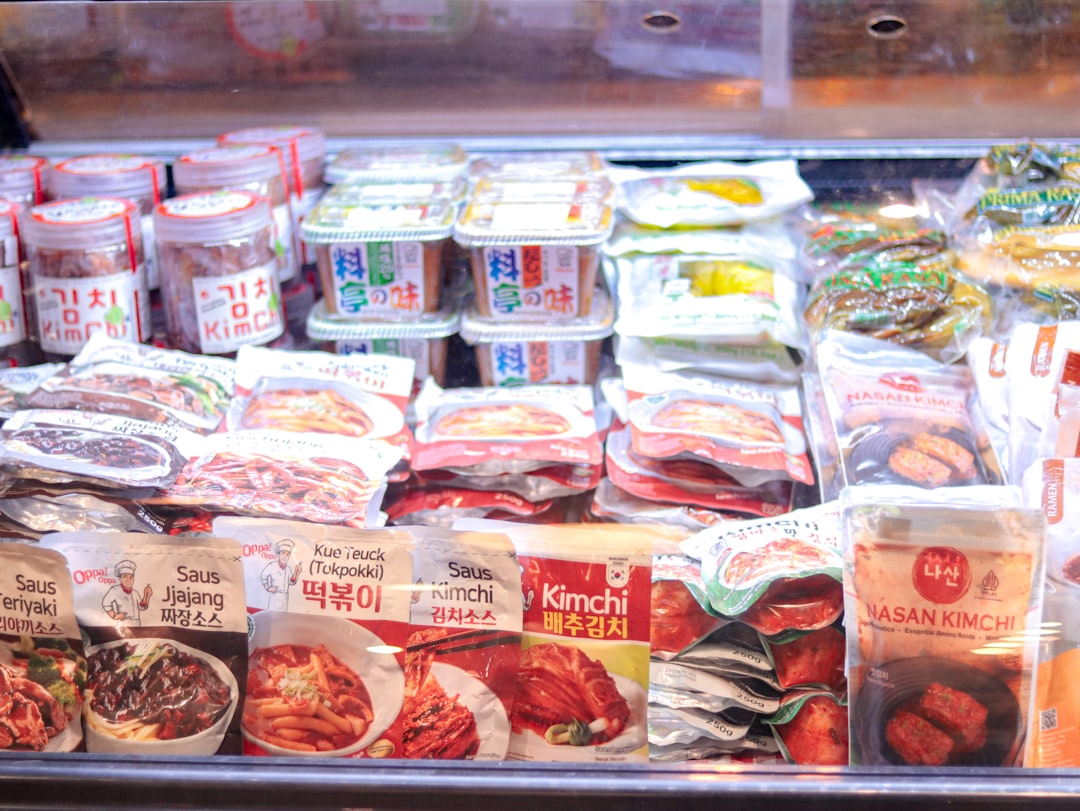
“Cow-free cheese” has moved from sci-fi curiosity to a serious supermarket question. The latest signal is a surge of crowdfunding interest around cultured dairy and precision-fermented cheese, a trend that suggests shoppers are ready to fund the first wave before stores fully commit. As AgFunderNews noted in its roundup covering “crowdfunding for cow-free cheese,” the category is no longer just a lab demo; it is becoming a market test. For shoppers, the real questions are simple: what will it taste like, how much will it cost, how will it be labeled, and when—if ever—will it show up in the chilled aisle next to conventional blocks and shreds?
This guide breaks down the crowdfunding trend, the economics of shelf-ready adoption, and the practical steps consumers can take to try these products safely and affordably. If you want the broader innovation backdrop, it helps to understand how supermarkets evaluate new formats through the lens of product content that’s link-worthy in the AI shopping era, and how brands use proof points to earn trust before they earn shelf space. The same playbook shows up in grocery every time a new category arrives: show the value, reduce the risk, and make the trial easy.
1) What “cow-free cheese” actually means
Precision fermentation vs. plant-based cheese
Cow-free cheese is not one single technology. In most cases, the label refers to cheese made without milking cows, but with dairy-identical proteins produced by microbes through precision fermentation. Those proteins can then be combined with fats, water, salts, and cultures to create cheese that behaves more like conventional dairy than many plant-based slices or spreads. That distinction matters because shoppers often lump all dairy alternatives together, even though the texture, melt, and nutritional profile can be radically different.
Plant-based cheese typically relies on oils, starches, and proteins from nuts, legumes, or coconut. Cultured dairy aims to recreate the functional components of milk more directly, which is why founders keep emphasizing meltability, stretch, and browning. If you want a parallel from another emerging protein category, see how microbial protein is being positioned as a whey rival. The same logic applies here: the closer the ingredient architecture is to the original, the easier it is to win on taste and cooking performance.
Why the category is attracting crowdfunding
Crowdfunding is attractive because cultured dairy is expensive to develop and slow to commercialize. Startups need early believers who will finance pilot batches, small-batch tasting runs, and regulatory work without waiting for a major retailer to place a purchase order. In consumer terms, crowdfunding also acts like a public vote of confidence. It tells supermarkets that there is enough curiosity to justify buyer meetings, limited launches, and eventually a national rollout.
There is a second reason: food innovation loves narrative. “Cow-free cheese” tells a better story than “fermented protein formulation,” and crowdfunding platforms let brands package that story with recipes, founder updates, and tasting milestones. The strategy resembles how creators validate new programs using AI-powered market research before launch: test interest early, learn what people will pay, and adjust the product before the expensive scale-up.
How shoppers should interpret the hype
The most important rule is to separate fundraising momentum from retail readiness. A campaign can be oversubscribed and still be years away from a supermarket shelf. Production scale, food-safety approvals, ingredient consistency, and distributor relationships all have to line up. That’s why a smart shopper treats crowdfunding as a signal, not a guarantee. It tells you the category is alive; it does not prove your local store will stock it next quarter.
Pro Tip: In grocery innovation, a successful crowdfunding campaign is often the first signal of demand, not the last stop before checkout.
2) Will supermarkets stock cultured dairy soon?
The retailer decision framework
Supermarkets usually adopt new food technologies only after three boxes are checked: consumer demand, dependable supply, and margin potential. Cow-free cheese is promising on the first point because shoppers already understand the use case. Cheese is familiar, versatile, and often bought on habit—so if an alternative can match taste and price closely enough, trial can happen quickly. But the supply side is tougher. Fermentation capacity is limited, manufacturing yields can be inconsistent, and the unit economics are still improving.
Retail buyers also care about shelf-ready execution. A product can’t just be innovative; it has to arrive in packaging that survives logistics, clearly states allergens, and fits category planograms. For a useful analogy, look at the way supermarkets think about digital-twin manufacturing for cat food consistency. The principle is the same: if production variability is too high, retailers hesitate. Grocery is built on reliability, not novelty alone.
What kind of rollout is most likely
The most likely first step is not mass distribution. Expect limited releases in urban stores, premium grocery chains, or specialty natural retailers where shoppers are more willing to experiment. Supermarkets may also test private-label collaborations or event-based promotions before committing to ongoing shelf presence. In practical terms, that means cultured dairy may appear first as a rotating item, a regional exclusive, or a digital-only offer available through store pickup and delivery.
That pattern is common in food retail innovation. Before a category becomes mainstream, it often behaves like a pilot program. Similar to how restaurants and foodservice operators manage volatility through purchasing cooperatives and middlemen, grocery buyers want a buffer against supply shocks. If a startup cannot provide stable volume, the chain will hesitate to promote it beyond one or two locations.
Why shelf space is still a high bar
Shelf space is expensive real estate. A store can only allocate so many facings to an experimental item, especially in a category as crowded as cheese. The brand must justify displacement of familiar labels by proving either superior margin, strong shopper pull, or strategic differentiation. That’s why supermarkets will likely wait for a few visible proof points: repeat purchase rates, low spoilage, acceptable complaint levels, and a clear regulatory path.
The broader retail lesson is familiar from other product transitions. New items rarely win because they are novel; they win because they reduce a shopper’s friction. If cultured dairy can offer the same recipes, same performance, and lower footprint—or eventually a better value proposition—it becomes much easier to place on shelf.
3) Price expectations: what shoppers should realistically pay
Early-adopter pricing will be high
In the short term, cow-free cheese is likely to be priced above mainstream dairy. That reflects small production runs, specialized ingredients, packaging, cold-chain handling, and marketing costs. Early-adopter pricing is normal in new categories; the first customers are helping fund process learning as much as they are buying food. The pattern is similar to what happens in other launch-heavy markets, where first movers pay a premium before scale brings costs down. A useful lens is the logic behind early-adopter pricing in robotics and drones.
For shoppers, a premium does not automatically mean poor value. If a cultured cheese melts better than many current dairy-free options, or if it reduces buying multiple products to “fix” a recipe, the true cost of use may be lower than the sticker suggests. Think in terms of meal utility, not just price per ounce. If one block replaces two failed experiments and performs better on pizza, the total kitchen cost can still be reasonable.
When pricing could become competitive
Price parity depends on manufacturing scale, fermentation yields, ingredient simplification, and retailer willingness to accept lower margins during the launch phase. In categories that have already moved from novelty to pantry staple, prices drop most noticeably once production expands and consumer familiarity improves. That is why the most optimistic forecasts for cultured dairy point to a gradual path: premium now, competitive later, and possibly mainstream only after the category proves repeatability.
To understand how to shop smart while the market is still volatile, compare it with how consumers approach buying in a competitive market with rising inventory. The lesson is to watch for temporary promotions, launch bundles, and loyalty offers. Grocery shoppers should expect similar tactics: introductory discounts, sample packs, and online-exclusive pricing before storewide adoption.
How to budget for a first try
If you’re curious but cautious, set a trial budget rather than buying a full cheese board’s worth of a new product. A smart first test is one small package in a familiar recipe, such as grilled cheese or a simple pasta bake. That helps you evaluate melt, flavor, and aftertaste without overcommitting. You can also look for grocery promotions and compare across stores, because retailers often use innovation items as traffic drivers rather than high-margin essentials.
Pro Tip: Treat your first cow-free cheese purchase like a product test, not a pantry stock-up. Buy one small format, cook it in one known recipe, and judge value by performance.
4) Labeling, legality, and what the package may say
Why labeling is a flashpoint
Labeling is one of the most important barriers to supermarket adoption. Regulators and industry groups care about how products describe themselves: Is it cheese, cultured dairy, animal-free cheese, or a fermented food product? The wording affects consumer expectations, legal compliance, and where the item can be shelved. Shoppers may not realize that a product’s name can be as important as the recipe itself when it comes to getting on a retailer’s planogram.
This is where trust becomes essential. If a label promises “cheese,” shoppers expect certain melting behavior and dairy-like flavor. If it says “cultured dairy,” they expect a more technical, possibly premium product. The challenge is avoiding confusion without hiding the innovation. For a strong comparison on trust and transparency in food claims, see how governance practices reduce greenwashing in natural food labels. The same governance mindset helps cultured dairy communicate honestly.
What shoppers should look for on-pack
Before buying, check the ingredient statement, allergen warnings, and storage instructions. If the product is made with fermentation-derived dairy proteins, it may still contain or be processed alongside milk-related components depending on the formulation and facility. For anyone with a milk allergy, that distinction is critical. “Cow-free” does not always mean “dairy-allergen-free,” so shoppers should read the label closely rather than assume a plant-based profile.
You should also review the nutrition panel. Some cheese alternatives are lower in saturated fat but higher in sodium. Others may be engineered to better mimic the protein content of dairy, which could matter for satiety and cooking. If you’re comparing multiple products, a structured checklist helps more than a slogan. That approach is similar to how buyers use open food datasets to verify ingredients and product details before shopping or cooking.
How labeling may evolve in stores
As the category matures, expect labels to become more standardized. Retailers prefer clarity because it lowers customer-service questions and return risk. You may eventually see shelf tags that distinguish “cultured dairy cheese,” “animal-free cheese,” and “plant-based cheese” as separate subcategories. That would help shoppers compare like with like instead of assuming every alternative performs the same way. It also supports better search, filtering, and online merchandising.
For publishers and retailers alike, this is a product-content challenge as much as a food one. Accurate attributes, clear sourcing, and consistent terminology make products easier to find and trust in digital storefronts. That’s where the logic of universal commerce product content becomes directly relevant to supermarket innovation.
5) Taste tests: how to judge cow-free cheese fairly
Use the right recipe for the first test
Not all cheese tests are equal. If you want a fair read on a new cultured dairy product, choose a recipe that exposes its strengths and weaknesses. Grilled cheese, pizza, quesadillas, mac and cheese, and baked casseroles are better tests than a plain snack plate because they challenge melting, oil separation, and browning. A cheese that tastes fine cold but fails under heat may still work as a sandwich ingredient, but not as a pizza topper.
Consumers who are new to dairy alternatives often judge too quickly by smell or first bite. That’s a mistake. Some products improve dramatically once heated, especially if they’re designed for functional use rather than snacking. If you want to compare across texture-heavy food categories, think about how users evaluate soft-food meal plans for sensitive appetites: the same ingredient can feel very different depending on temperature, moisture, and serving context.
What a good taste test should measure
A simple scoring system works best. Rate aroma, flavor, melt, stretch, mouthfeel, saltiness, and aftertaste on a 1–5 scale. Then compare the cow-free cheese with a conventional cheese you already know and like. The goal is not to declare a universal winner; it is to identify whether the product works for your use case. A great sandwich cheese might not be the best salad cheese, and that’s okay.
Try repeating the test on two different days, because first impressions can be noisy. Food perceptions are affected by mood, hunger level, and what you ate earlier. In a household setting, this is especially helpful if multiple people will be buying the product. When one person says “too tangy” and another says “perfect on toast,” that’s useful segmentation, not failure.
What taste tests tell supermarkets
Retail buyers watch consumer taste tests closely because repeat purchase depends on the product’s ability to satisfy ordinary use cases. If shoppers like the story but don’t finish the package, the category stalls. If they say “I’d buy this for pizza night,” the brand has a clearer path to shelf expansion. The best use of test data is not to prove perfection; it is to show enough utility to justify trial.
This is why honest benchmarking matters. In a market that will likely be crowded with “next-gen” claims, buyers are skeptical of hype. That mirrors the broader trend in consumer categories where the best brands combine novelty with proof, much like products that move from test kitchen to shelf using strong comparisons and transparent claims.
6) How crowdfunding changes the path to supermarket shelves
Crowdfunding as market validation
When a cow-free cheese campaign performs well, it creates several valuable signals. It demonstrates early demand, provides working capital, and offers a built-in community of testers who can give feedback on texture, flavor, and packaging. In some cases, the campaign becomes a mini focus group at scale. That matters because supermarkets like to see evidence that a product can survive beyond founder enthusiasm.
There is also a merchandising benefit. Crowdfunded products often arrive with a story, a vocal customer base, and social proof. Retailers know this can help with launch velocity. It’s similar to how brands use collaborative storytelling to drive engagement. If customers feel they helped bring the product into existence, they are more likely to seek it out in store and share it online.
But crowdfunding can hide scaling pain
A successful campaign does not automatically solve manufacturing. A startup can ship a few thousand units to backers and still struggle to produce tens of thousands consistently for a supermarket chain. Retailers need continuous supply, standardized quality, and returns handling. If the product is temperamental or needs tight temperature control, the cost of scaling can quickly erase the excitement of the initial launch.
That’s why some of the strongest crowdfunding food stories never become shelf staples, while some quieter brands do. The winners are the ones that turn consumer curiosity into operational discipline. For a helpful parallel, read about factory tech and consistency: scale is not just more output, it is more repeatability.
What success looks like in retail
Success for cow-free cheese will likely mean a tiered rollout. First comes DTC or crowdfunding fulfillment, then regional retail pilots, then a narrow set of supermarket chains with premium or innovation-friendly shoppers. If velocity is strong and feedback is positive, the product may expand into mainstream grocery. If not, it may remain a specialty or online-only item. Either way, the timeline is measured in iterations, not announcements.
Pro Tip: Watch for three retail clues—regional exclusives, promotion tags, and online pickup availability. Those are usually earlier signs of supermarket confidence than a full national rollout.
7) How to try cow-free cheese safely and affordably
Start with small formats and familiar dishes
The safest and most budget-friendly way to test cultured dairy is to buy the smallest available package and use it in a dish you already know well. That lets you isolate the product’s behavior from recipe complexity. If it’s a sliced cheese, try one sandwich. If it’s shredded, use it on one quesadilla or small pizza. If it performs well once, you can decide whether it’s worth buying again at full price.
Also, avoid testing during a high-stakes meal. A new cheese is a poor choice for the first time you host guests or cook for a picky eater. You want room for a margin of error. This is the same reason practical shoppers compare options before committing, whether they’re choosing a new gadget or a grocery staple. A good deal is only good if it works as intended, which is the same logic behind spotting worthwhile discounted products.
Check allergen and ingredient details carefully
Safety starts with label reading. Cow-free does not automatically mean allergen-free, and cultured dairy may still be unsuitable for people with milk allergies, depending on formulation and processing. If you have a dairy intolerance, the product may still cause discomfort even if it is cow-free. For households with mixed needs, buy one package and test it separately before adding it to shared meals.
Ingredient transparency matters for more than allergies. It also helps shoppers understand how much of the product is truly fermentation-derived versus blended with conventional fats or proteins. The better the disclosure, the easier it is to compare products across supermarkets. If you’re a careful label reader, the governance mindset in natural food label oversight is worth applying here too.
Use promotions and digital shopping tools
Because the category is early-stage, shoppers should look for coupons, loyalty pricing, and online pickup offers. Supermarkets often discount innovation products to encourage first trial, especially when a brand wants to prove velocity. Online grocery search can also help you compare price per ounce, ingredients, and store availability before you leave home. That matters in a category where products may be scattered across premium and conventional banners.
For a smarter workflow, combine search with product data. Grocery shoppers who care about cost and quality can benefit from the same kind of structured cataloging discussed in open food datasets. When product information is organized well, it becomes easier to spot a fair trial-size purchase rather than overpaying for novelty.
8) The supermarket outlook: what needs to happen next
Consumer pull must beat novelty fatigue
Supermarkets are crowded with innovation. For cow-free cheese to survive, it needs more than curiosity—it needs habitual use. That means shoppers must find it useful in everyday cooking, not just interesting in a headline. Products that only succeed as “conversation pieces” rarely earn permanent shelf space. The winning products become part of the weekly shop because they solve a real meal problem.
That’s why taste, price, and labeling all matter equally. If the product is good but too expensive, it becomes a niche treat. If it is affordable but confusing to label, it creates friction. If it is clear and tasty but doesn’t melt, it won’t earn repeat use. The category becomes mainstream only when all three align.
Retailers will likely wait for proof of repeat purchase
Repeat purchase is the strongest indicator that a new cheese belongs in a supermarket. Trial can be driven by curiosity, but repeat buying signals true utility. Retailers need that because every shelf inch has an opportunity cost. Until the category proves it can generate predictable basket growth, most supermarkets will limit exposure to pilot stores, online-first channels, or occasional promotional drops.
For shoppers, that means the near-term shopping strategy is to treat cow-free cheese as a discovery item, not a pantry staple. Keep an eye on local store apps, weekly ads, and online pickup inventory. If the product appears repeatedly in the same store, that’s often a sign the retailer is testing whether it deserves a permanent slot.
The likely path from crowdfund to chilled aisle
The most realistic scenario is a gradual transition: crowdfunding proves interest, pilots prove function, and supermarket tests prove repeat demand. If all goes well, cultured dairy could eventually become a regular feature in premium cheese sets or the dairy-alternative section. But the category will not arrive all at once, and shoppers should not expect immediate national availability. “Shelf-ready” is earned through logistics, consistency, and value—not buzz.
That’s the core takeaway from the current trend. Cow-free cheese is no longer a speculative idea, but it is still in the early commercialization phase. Crowdfunding can fund the next step, but the supermarket aisle will reward only the brands that make the leap from innovation to reliability.
Comparison table: how cow-free cheese stacks up for shoppers
| Factor | Cow-Free Cheese | Plant-Based Cheese | Conventional Dairy Cheese |
|---|---|---|---|
| Taste potential | High if fermentation profile is well tuned | Varies widely; often less dairy-like | Familiar, benchmark standard |
| Melt and stretch | Often a key development goal | Can be inconsistent | Generally strongest |
| Early price | Likely premium | Mid to premium | Wide range, often most competitive |
| Label clarity | Still evolving | Usually clearer | Very clear and familiar |
| Supermarket rollout | Likely limited pilots first | Already present in many stores | Fully mainstream |
| Best trial use case | Recipes needing dairy-like performance | Casual swaps and specialty diets | Everyday cooking and snacking |
FAQ: cow-free cheese, crowdfunding, and grocery shopping
Is cow-free cheese the same as vegan cheese?
Not necessarily. Some cow-free cheeses are vegan because they are made without animal inputs, while others may use fermentation-derived proteins that are designed to mimic dairy more closely. Always check the ingredient list and label language.
Will supermarkets stock cow-free cheese this year?
Some may, but usually in limited pilots, premium stores, or online-first offerings. Broad national rollout is less likely until pricing, supply, and repeat purchase improve.
Is cultured dairy safe for people with milk allergies?
Not automatically. Cow-free does not always mean dairy-allergen-free. People with milk allergies should read the label carefully and consult the manufacturer if needed.
Why does crowdfunding matter for this category?
Crowdfunding helps startups raise capital, validate interest, and build a community of early testers. It can accelerate product development, but it does not guarantee supermarket placement.
How can I try it without wasting money?
Buy the smallest pack, use it in a familiar recipe, and compare it with a cheese you already trust. Watch for introductory discounts, loyalty deals, and online pickup offers.
What should I watch on the label?
Check the product name, allergen statement, ingredients, storage instructions, and nutrition panel. If the wording is vague, that’s a sign to be cautious.
Related Reading
- Microbial Protein for Muscle Recovery: Could SCPs Rival Whey? - A useful look at how fermentation-based proteins move from lab concept to consumer product.
- From Boardroom to Pantry: How Governance Practices Can Reduce Greenwashing in Natural Food Labels - Learn how transparent labeling builds shopper trust.
- Open Food Datasets Every Smart Cook and Restaurant Should Bookmark in 2026 - A practical resource for checking product details before buying.
- Digital Twins, Real Benefits: How Advanced Factory Tech Could Make Cat Food Safer and More Consistent - A strong analogy for why manufacturing consistency matters.
- Why Early Adopter Pricing Matters: The Robot Market Lessons That Predict Drone Accessory Pricing - Helpful context on how premium launch pricing typically evolves over time.