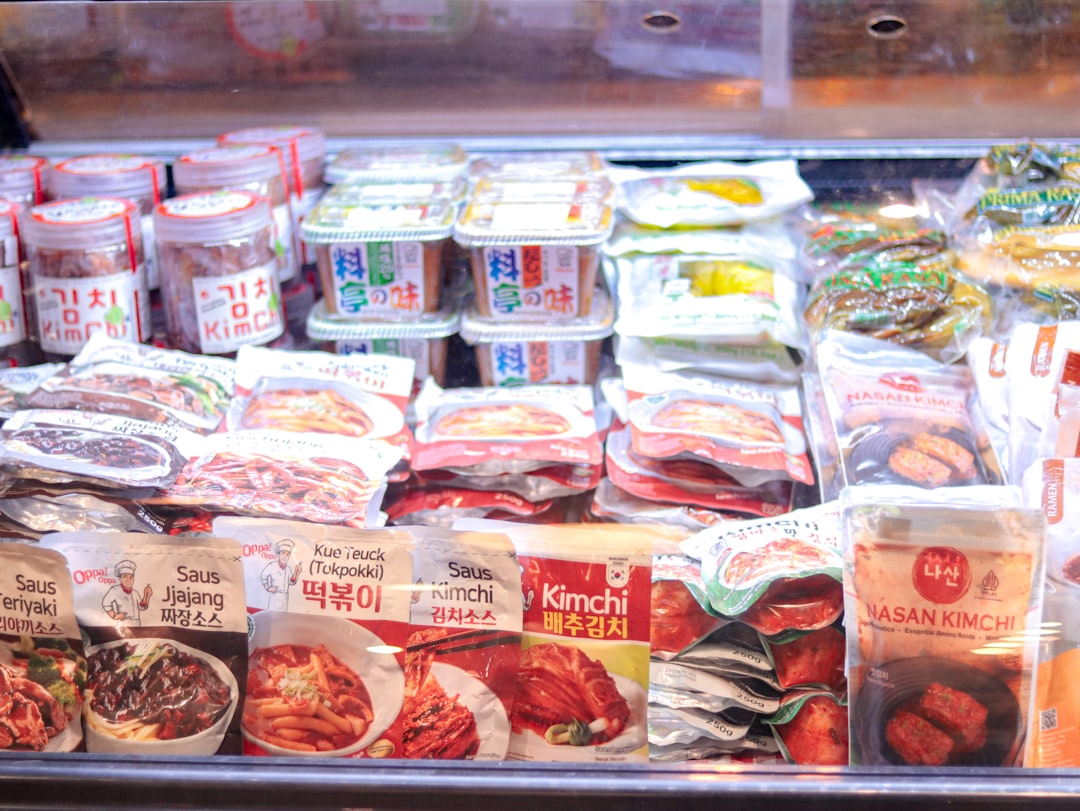
Buying organic doesn't have to mean paying full price. This definitive guide explains how to find the best weekly deals on organic groceries, compares the tactics supermarkets use, and gives a step-by-step shopping workflow so you keep quality while cutting cost. We'll cover where local offers hide, when to buy, how to use price matching and loyalty programs, and practical storage and meal-planning tips that stretch organic purchases farther.
Introduction: Why chase weekly organic deals?
Organic on a budget is possible
Organic groceries can command a premium, but weekly promotions, clearance rotations and localized sale strategies create predictable windows for savings. Smart shoppers reduce per-unit cost without sacrificing ingredients—letting families buy organic staples, seasonal produce and better-quality proteins within a budget-conscious plan.
How this guide helps
This guide combines tactical steps, local-shopping playbooks, and cross-industry lessons (retail pop-ups, loyalty mechanics, urban delivery tech) so you can: find the best local offers, compare unit prices quickly, exploit price matching, coordinate pickup/delivery, and preserve organic goods for maximum shelf-life.
What to expect
Read this end-to-end and you'll walk away with a repeatable weekly routine, a printable comparison table for quick decisions, and checklist-ready tips for storage and meal planning. If you're interested in how local sampling and pop-up tactics move product, see our sections referencing local retail playbooks and sampling guides.
How weekly deals on organic groceries work
Types of supermarket promotions
Supermarkets run multiple promo types: buy-one-get-one (BOGO), %-off, multi-buy (e.g., 3 for $10), loyalty-targeted coupons, and clearance markdowns on near-dated items. Many chains rotate organic product promotions into the flyer cycle to upstream higher-margin SKUs; knowing the pattern helps you anticipate the best weeks to buy.
Local-first markdowns and pop-ups
Local store managers test localized offers and in-store sampling to move inventory. Tactics used by microbrands and pop-ups—like limited weekend events—mirror supermarket localized strategies; for background on local sampling and pop-up sampling tactics, see our practical field guide to local photoshoots, live drops and pop-up sampling and the weekend cereal pop-up playbook at Weekend Cereal Pop‑Ups: A 2026 Playbook.
Timing the flyer cycle
Most weekly flyers repeat on a 7–14 day cadence. Track when organic staples (milk, yogurt, canned beans, grains) hit sale and create a 4-week buying cadence so you buy non-perishables in quantity and snag produce at peak discount. For how micro-retail events and hybrid retail strategies influence local deals, read about hybrid retail and pop-ups in Hybrid Retail in 2026 and microbrand pop-up strategies at Pop-Up Retail Strategies for Cereal Microbrands.
Where to find the best local offers on organic favorites
Start with the weekly flyer and app notifications
Download local supermarket apps and set alerts for organic categories. Apps increasingly target ads and personalized coupons—contextual ad automation affects who sees which deals; learn how ad automation affects offers in our analysis of AI in Advertising. Use app filters to surface organic-only promotions and clip digital coupons the moment flyers go live.
Check micro-events, in-store demos and local pop-ups
Stores pair in-store demos with price cuts of featured organic SKUs. Community pop-ups or weekend tasting events may include deep discounts or introductory pricing on organic brands. For playbooks on pop-ups and local sampling that supermarkets replicate, see Local Photoshoots & Pop-Up Sampling and the cereal pop-up playbook at Weekend Cereal Pop‑Ups.
Use local marketplaces and price-compare tools
Local-first marketplaces and comparison tools aggregate flyers and inventory. They highlight outlier promotions (unadvertised price drops) and help you compare unit prices across nearby stores. If you want to understand local micro-fulfillment and packaging economics that affect price, see the cheesemonger micro-fulfillment strategies at 2026 Cheesemonger Revenue.
Price matching, loyalty programs and stacking discounts
Understand price matching rules
Many chains offer price-matching guarantees for advertised prices at local competitors. Keep a screenshot or printed flyer of the competing ad and know restrictions (e.g., only identical item and pack size). Price matching can turn a small advertised discount into a full price reduction at your preferred store—learn how outlet flash deals and offline resilience influence matching in this retail playbook: Outlet Playbook 2026.
Maximize loyalty and micro-loyalty moves
Loyalty programs often layer on personalized offers: extra points on organic dairy, digital coupons for organic cereal, and member-only buy-lists. Micro-loyalty techniques (small rewards, cashback nudges) increase repeat purchases; see cross-industry micro-loyalty lessons in Micro-Loyalty Playbook for ideas you can apply to supermarket loyalty tactics.
Coupon stacking and manufacturer rebates
Stacking an in-store coupon with a manufacturer rebate or cash-back app can produce deep effective discounts. Some brands run short manufacturer coupons specifically for organic lines—clip them and plan purchases during store double-coupon or multiplier point weeks for maximum leverage.
Pro Tip: If a supermarket app shows both an in-app coupon and a loyalty price for the same organic item, apply the loyalty discount first, then redeem the coupon at checkout. This order often yields the largest point or cash-back reward.
Smart shopping workflow: plan, compare, buy
Step 1 — Weekly planning session (15 minutes)
Every week, check local flyers, app offers, and price-match candidates. Create a short list: staples to stock up on, produce to buy that week, and protein deals. Use a recurring calendar reminder to check flyers the day they publish.
Step 2 — Quick unit-price comparison
Compare price per unit (e.g., price per ounce, per pound or per serving) not just per-package price. Many organic items have multi-pack offers that are only cheaper per unit when broken down. For deeper insights into packaging and fulfillment that affect unit costs and sustainability, read the packaging playbook at Packaging & Fulfillment Partners.
Step 3 — Execute pickup, delivery or in-store run
Decide which items are best for pickup (bulk staples), delivery (heavy items) or in-store (produce with visual inspection). Urban APIs and delivery routing technology affect availability windows; learn more about transit and urban APIs supporting local commerce in Transit Edge & Urban APIs in 2026.
Comparing organic unit prices: a practical table
Use the table below as a template. Replace the sample stores and numbers with your local flyer prices and measured units. Focus on price-per-ounce/pound and any loyalty discounts or stackable coupons.
| Product (Organic) | Store & Promo | Sale Price | Pack Size | Unit Price | Stackable? |
|---|---|---|---|---|---|
| Organic Whole Milk | Store A — Flyer 20% off | $3.99 | 1 gallon (128 oz) | $0.031/oz | Yes (coupon) |
| Organic Free-Range Eggs | Store B — 2 for $7 (loyalty) | $3.50 each | 12 eggs | $0.29/egg | No |
| Organic Chicken Breast | Store C — $6.99/lb clearance | $6.99 | 1 lb | $6.99/lb | Yes (cashback app) |
| Organic Rolled Oats | Store A — 3 for $8 | $2.67 | 18 oz | $0.15/oz | Yes (manufacturer coupon) |
| Organic Greek Yogurt (Single) | Store B — $1 off loyalty | $1.79 | 6 oz | $0.30/oz | Yes (stackable) |
Repeat this comparison for the items you buy weekly. If you run into items with confusing packaging (different weights, multipacks labelled in global units), use the per-unit method to normalize prices.
How supermarkets and microbrands push organic: marketing tactics to watch
Sampling & live commerce
Sampling moves trial brands into the shopping cart quickly. Supermarkets replicate microbrand tactics (sampling, live drops and local events) to test products; learn more in our field guides to micro-events and pop-ups at Pop-Up Retail Strategies for Cereal Microbrands and Weekend Cereal Pop‑Ups.
Pairings and premium merchandising
Premium organic categories (cheeses, charcuterie, specialty produce) get pairing displays that increase basket size. Cheesemongers and specialty counters use packaging, pairing and micro-fulfillment to convert sampling into repeat sales; see how cheesemongers are scaling revenue at 2026 Cheesemonger Revenue and creator-led commerce opportunities at Cheesemonger Creator Commerce.
Sustainability labels and consumer trust
Labels (USDA Organic, Certified Organic, non-GMO) matter, but trust is built through transparency. Supermarkets publishing sustainability reports or sourcing commitments influence purchasing patterns; for corporate sustainability trends affecting grocery sourcing, see Sustainability Report 2026.
Storage and meal planning to stretch organic buys
Preserve value with low-waste kitchen strategies
Stretching organic purchases relies on smart storage and repurposing. Low-waste kitchen strategies extend life for produce and staples—our roadmap details low-waste habits that reduce spoilage and cut grocery spend in households: The Future of Home Kitchens: Low-Waste, High-Flavor.
Batch cooking and ingredient roll-forward
Cook larger batches with on-sale organic proteins and freeze in meal-sized portions. Use leftover roast veggies in soups, and turn wilting greens into smoothies or pesto. Menu automation tools can suggest recipes to use sale items, as restaurant menu operations show parallels in operational rules—see automation lessons in Stop Cleaning Up After AI.
Labeling and inventory at home
Mark buy dates and planned use-by dates on containers and maintain a fridge bin for items purchased on sale that must be used within 3–7 days. Small changes in home organization dramatically reduce waste and increase the effective value of each organic purchase.
Advanced tactics: flyering, local partnerships and micro-fulfillment
Understand micro-fulfillment economics
Micro-fulfillment and localized packaging decisions influence which items appear on sale and why. Retailers may run localized markdowns where micro-fulfillment capacity is high or where packaging partners reduce per-unit handling costs—background on packaging and fulfillment can be found in Packaging & Fulfillment Partners.
Partnerships with local producers
Some supermarkets partner with local producers to run limited-time organic lines or farmer-supported specials. These often show deeper discounts during launch windows. Local brand collaboration strategies resemble creator-commerce and maker-led sales covered in Creator‑Led Commerce for Cheesemongers.
Using local retail playbooks to predict sales
Retailers reuse successful local tactics—flash deals, weekend demos and micro-events—to increase traffic during slow windows. If you track when local micro-events happen, you can predict when organic items will be bundled into promotions. The playbook for micro-events and live commerce explains these mechanics in Hybrid Retail in 2026 and Outlet Playbook 2026.
Tools, apps and tech to speed decisions
Price-compare apps and local marketplaces
Use apps that aggregate flyers and inventory to eliminate manual scanning. They surface true unit prices and highlight price conflicts you can exploit with price-match policies. Transit and urban delivery tech also affect fulfillment fees and availability—see Transit Edge & Urban APIs for tech insights that underpin local delivery windows.
Voice ordering and smart home pickup
Voice ordering grows more reliable; when paired with smart home lockers or secure pickup, it reduces friction. If you configure voice assistants securely for ordering and home automation, review our secure setup guide at Configure Siri/Gemini for Secure Smart Home Automation.
Ad alerts and personalization
Personalization algorithms decide which coupons appear. Understanding ad automation and personalization helps you craft alerts: read how automation and human oversight balance in advertising at AI in Advertising.
Frequently Asked Questions
Q1: Are organic weekly deals really cheaper than non-organic sales?
A: Often yes—when you compare unit price over the promotion window. Organic items can be on deep promotion during seasonal surpluses or when brands push intro pricing. Always normalize to unit price and factor in stacking coupons and loyalty rewards.
Q2: When should I buy organic produce vs. frozen?
A: Buy fresh organic produce on sale when you'll use it within 3–7 days. If not, buy frozen organic produce on sale; it preserves nutrients and is often cheaper per serving outside peak season. Frozen options are great when a sale makes them notably cheaper than fresh.
Q3: How does price matching work for online orders and pickup?
A: Policies vary—some stores honor price matching for in-store purchases only, others extend to online pickup if you present proof. Keep screenshots and check the chain's policy before checkout. Price matching for delivery orders is less common due to third-party fees.
Q4: Can I rely on loyalty discounts for organic staples?
A: Yes—loyalty often grants targeted offers for frequently purchased categories. Combine loyalty discounts with flash sales and coupons for best results. Track patterns: some chains cycle loyalty offers for organic dairy and produce every 4–6 weeks.
Q5: Is buying in bulk always cheaper for organic items?
A: Not always. Bulk is cheaper only when unit price declines and you can store or use the item before it spoils. For pantry staples and frozen goods, bulk is usually a win; for fresh items, consider splitting or freezing portions.
Case studies: real-world examples and timing
Case study 1 — The week I halved milk cost
A local chain offered a 20% loyalty discount on organic milk the same week a competitor advertised 25% on flyers. I price-matched the competitor, applied my loyalty coupon, and used a manufacturer cashback app—reducing my effective gallon price by nearly 50% versus full price. This is the kind of stacking that smart shoppers aim to replicate.
Case study 2 — Seasonal organic fruit strategy
When organic berries hit seasonal oversupply, supermarkets ran BOGO and heavy markdowns. I bought and froze multiples of the best offers, used them over months in smoothies and desserts, and avoided paying premium out-of-season prices. Local pop-up events often coordinate with these seasonal pushes—see how pop-ups and micro-events scale sampling in Local Photoshoots & Sampling and cereal microbrand pop-up tactics in Pop-Up Retail Strategies.
Case study 3 — Cheese bargains from pairing displays
Specialty counters paired with promotions on organic cheeses and crackers. By buying cheeses on demo days I saved on both regular and specialty purchases; read more on cheesemonger pairing and micro-fulfillment ideas at 2026 Cheesemonger Revenue.
Conclusion: Build a seasonal, local-first savings habit
Repeatable habits win
Make flyer-checking and unit-price comparison part of your weekly routine. Over a year, modest weekly wins compound into significant savings—letting you buy better ingredients without increasing your grocery budget.
Use the local playbooks
Understand how local sampling, pop-ups and micro-fulfillment affect deal timing. The retail playbooks and pop-up strategies referenced here mirror supermarket tactics—study them and predict when organic items drop in price: Weekend Cereal Pop‑Ups, Pop-Up Retail Strategies, and Hybrid Retail.
Next steps
Start this week: identify three organic staples you buy, compare unit prices across two local stores, and set an app alert for flyer releases. Try one price-match and test stacking a loyalty coupon with a manufacturer rebate. If you want to dig into loyalty mechanics across industries, review the micro-loyalty lessons in Micro-Loyalty Playbook and the client retention approaches in Client Retention Microcredentials for examples of small-reward systems that work.
Related Reading
- You Met Me at a Very Chinese Time - Cultural context on viral trends and retail nostalgia.
- Graphic-Novel Feasts - Playful recipe ideas you can adapt to sale ingredients.
- A Gentle Guide to Downsizing and Decluttering - Home organization tips to pair with your low-waste kitchen plan.
- Field Review 2026: Wearables - Tech reviews that inform shopping convenience gadgets.
- Climate Signals at the Top Destinations - How climate affects seasonality and produce pricing.