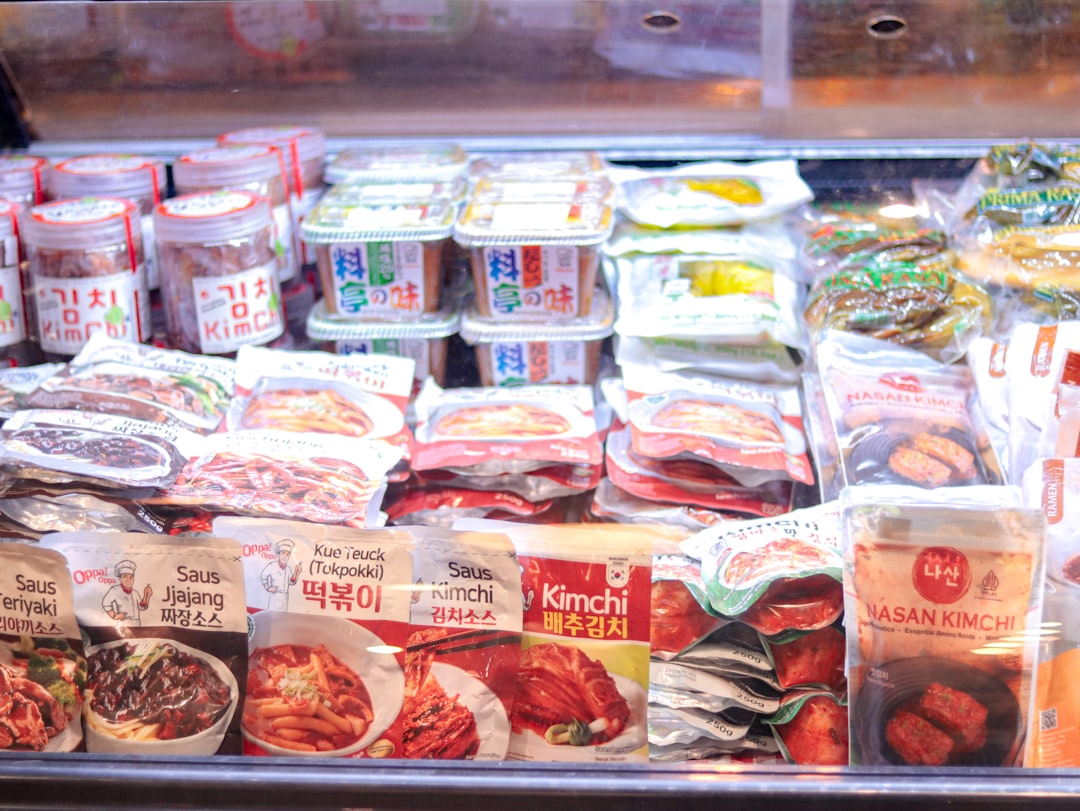
Finding the best grocery deals on essential items often feels like navigating a maze. However, by applying strategic shopping methods inspired by tech deal strategies, you can maximize savings effectively. This guide dives into actionable tips, savings strategies, and tools to help you score unbeatable deals on your weekly grocery shopping – helping you build a budget-smart routine without compromising quality or convenience.
1. Understanding the Grocery Deal Landscape
1.1 Why Grocery Deals Matter for Everyday Essentials
Essential items like milk, bread, eggs, and fresh produce form the backbone of your shopping list. These staples have relatively fixed consumption rates, making it critical to secure the best prices consistently. Leveraging grocery deals on these essentials not only reduces your weekly expenditure but accumulates significant annual savings. According to consumer data, shoppers who strategically use coupons and discounts on essentials save up to 25% monthly.
1.2 How Deals Are Structured: Weekly Offers, Loyalty Discounts, and Coupons
Supermarkets use various tactics like weekly flyers, loyalty programs, and digital coupons to promote items. Weekly flyers showcase time-limited offers that rotate regularly. Loyalty discounts reward frequent shoppers with personalized price reductions, while digital coupons provide savings redeemable via apps or online accounts. Combining these can multiply your savings.
1.3 Inspiration from Tech Deal Strategies
Tech shoppers often wait for product launches, leverage flash sales, and use price tracking tools to snag the lowest prices. Adopting a similar mindset with grocery shopping — such as tracking price trends, timing purchases around sales cycles, and employing deal alerts — empowers consumers to pay less for the same products. This approach has transformed savvy shoppers into deal hackers, capturing tremendous value on day-to-day purchases.
2. Mastering Weekly Coupons and Digital Savings
2.1 Where to Find the Best Weekly Coupons
Weekly coupons can be sourced from supermarket circulars, manufacturer websites, and trusted deal aggregates. Many stores integrate coupons directly into their apps or email newsletters. For an extensive view on clipping the best coupons and syncing with your shopping list, see our detailed guide on Maximizing Savings: A Guide to the Best Current Seasonal Discounts.
2.2 Stacking Coupons with Loyalty Discounts
Stacking involves using manufacturer coupons alongside store promotions or loyalty discounts. For example, a product on sale for $2.00 combined with a $0.50 manufacturer coupon and a 10% loyalty discount can drastically cut your costs. Understanding store policies and coupon limitations is key. Our coverage on Creating an Audit-Ready Paper Trail for Your Digital Finances can help you organize these savings effectively.
2.3 Digital Coupon Management Tools
Apps like Ibotta, Rakuten, and supermarket-specific apps enable automatic coupon application and cashback rewards. They simplify redemption, prevent coupon expirations, and often alert users to exclusive offers. The digital era of shopping rewards consumers who use these tools smartly — echoing how tech enthusiasts track discounts. Learn more about emerging technologies impacting retail at Retail Trends 2025.
3. Strategic Shopping: Timing and Product Selection
3.1 Timing Your Grocery Shopping for Maximum Savings
Deals on essentials often follow predictable cycles — certain items go on sale every few weeks or align with holidays and seasonal shifts. For instance, bulk pantry staples typically experience discounts before back-to-school seasons. Using calendar reminders for sale cycles or subscribing to local store alerts ensures you shop when prices drop. For shoppers interested in maximizing timing, our piece on seasonal discounts offers in-depth insights.
3.2 Choosing Store Brands Without Sacrificing Quality
House or store brands usually come at a fraction of the price yet meet comparable quality standards. They are often overlooked by consumers wary of quality but have been proven through blind taste tests and lab studies to rival national brands. Switching some essentials to store brands can reduce your grocery bill significantly while maintaining nutritional values.
3.3 Bulk Buying Versus Frequent Small Purchases
Buying in bulk saves money per unit but requires proper storage and use within shelf life. Conversely, frequent smaller purchases allow you to take advantage of fluctuating deals. Combining both approaches strategically—stocking non-perishable essentials in bulk while buying perishables on sale as needed—maximizes savings and minimizes waste. Our article on Efficient Home Cleaning provides related tips on storage solutions that complement bulk shopping.
4. Leveraging Technology for Smart Grocery Shopping
4.1 Price Comparison Apps and Online Platforms
Using price comparison apps can quickly show which local stores offer the best rates on specific essentials. Many sites and apps aggregate weekly deals in real time, directing you to cost-effective options nearby. This mirrors how consumers compare prices in tech purchases, ensuring every dollar stretch is maximized. More on this can be explored in Maximizing Savings.
4.2 Utilizing Online Ordering and Curbside Pickup Options
Online ordering platforms often feature exclusive digital deals or automatic coupon applications for pickup or delivery orders. Additionally, the convenience of curbside pickup saves time and can reduce impulse buys, indirectly enhancing savings. For a deeper look into optimizing these services, refer to our annotated guide on Online Safety for Travelers, highlighting tech usage during purchasing.
4.3 Setting Alerts and Subscription Deals
Just like tech deal hunters set alerts for price drops, you can subscribe to alerts for grocery discounts on essential items. Several platforms offer subscription boxes for staple goods at discounted prices, often priced lower than per-unit retail prices, offering both convenience and savings.
5. Meal Planning as a Savings Strategy
5.1 Building Your Shopping List from On-Sale Essentials
Plan weekly meals around what’s on sale. If chicken breasts, potatoes, and spinach are discounted, build recipes that incorporate these staples, reducing overall cost. This strategy ensures your menu and wallet stay aligned, trimming waste and cost simultaneously.
5.2 Cross-Utilizing Ingredients Across Meals
Using versatile ingredients like rice or canned beans in multiple dishes prevents overspending on rare items. Strategic ingredient reuse emphasizes maximum value extraction from each purchase.
5.3 Using Apps for Recipe Inspiration Based on Deals
Apps and platforms can suggest recipes tailored to weekly supermarket discounts, making it easy to adapt meal plans dynamically. To explore tech's role in inspiration and meal curation, our feature on Unleashing the Power of Music: Creating the Ultimate Keto Cooking Playlist offers a creative parallel on enhancing cooking experiences.
6. Understanding Pricing Psychology and Promotions
6.1 The Role of Loss Leaders in Supermarket Deals
Stores often promote loss leaders – items sold at or below cost – to attract shoppers. Purchasing these items strategically while buying your other essentials can multiply savings. Identifying these deals early in weekly flyers is essential.
6.2 Decoding ‘Multi-Buy’ Offers
Multi-buy deals like “buy 2 get 1 free” can be advantageous if the items are regularly consumed or have longer shelf lives. However, avoid unnecessary stockpiling of perishables that could go to waste.
6.3 Impact of Pricing Endings on Perceived Value
Items priced with .99 or .95 endings psychologically feel like better deals. Being aware of these tricks helps maintain objective evaluation of a product's true deal value.
Pro Tip: Don't be swayed by price tag psychology alone – cross-check the unit price and overall deal value before buying.
7. Comparing the Best Deals Across Stores: A Data-Driven Approach
To illustrate strategic shopping, consider the following detailed comparison of four common essential items across three supermarket chains in a typical metro area:
| Essential Item | Store A Price | Store B Price | Store C Price | Best Deal |
|---|---|---|---|---|
| Whole Milk (1 Gallon) | $3.59 | $3.29 (10% off w/ loyalty) | $3.49 | Store B |
| White Bread (1 Loaf) | $2.19 (Buy 1 Get 1 Free) | $2.29 | $1.99 (store brand) | Store C |
| Eggs (1 Dozen Large) | $2.99 | $3.09 (15% off coupon) | $2.79 | Store C |
| Bananas (per lb) | $0.59 | $0.69 | $0.55 (bulk offer) | Store C |
| Chicken Breast (per lb) | $4.99 (weekly special) | $5.49 | $4.79 | Store C |
Store C offers the best overall deals on most essentials, particularly due to bulk and store-brand options. Store B’s loyalty and coupon programs also provide competitive pricing. Balancing these factors can yield an optimal shopping routine.
8. Sustainable Savings: Balancing Cost with Nutrition and Quality
8.1 Avoiding the Pitfall of Overly Processed Budget Items
While saving money is key, nutrition should not be sacrificed. Affordable items with balanced nutrition – often prominently displayed in stores – may be slightly pricier but offer greater value long-term by supporting health.
8.2 Incorporating Fresh and Seasonal Produce
Seasonal produce is inherently cheaper and fresher, offering a natural way to boost nutrition and cut costs. Understanding local seasonality helps make smarter weekly choices.
8.3 Ethical Savings: Supporting Local and Sustainable Brands
Some local stores offer competitive prices on essentials that come from ethical or organic sources. Supporting these promotes sustainability without major price penalties, a win-win gained by shopping at participating local markets or online local-first platforms. Learn more about embracing local flavors in Embracing Local Flavors: Your Culinary Guide.
9. Common Pitfalls and How to Avoid Them
9.1 Failing to Compare Unit Prices
Always check unit prices (price per ounce, pound, or piece) rather than just the sticker price. Larger packages aren't always cheaper per unit, so unit price comparison is vital.
9.2 Overspending Due to Impulse Buys During Deals
Supermarket layouts and promotions can encourage impulse purchases. Sticking strictly to your list and meal plan avoids unnecessary spending that undermines savings.
9.3 Ignoring Expiration Dates and Storage Concerns
Don’t buy large quantities of perishables unless you can consume or preserve them before spoilage, or you risk wasting money and food.
10. Summary and Next Steps
Strategic grocery shopping for essentials, inspired by tech deal tactics, is a powerful way to maximize your savings. By mastering coupon stacking, timing your purchases, leveraging technology, and planning meals around deals, you transform routine shopping into a financially savvy activity. Remember to balance cost with quality and nutritional value to ensure overall well-being alongside budget health.
For a comprehensive dive into the latest seasonal savings and coupon strategies, revisit this guide. Stay empowered with technology tools and local market intelligence, and watch your grocery bills shrink without sacrificing essentials.
Frequently Asked Questions (FAQ)
How do I effectively combine coupons and loyalty discounts?
Check each store’s coupon policy on stacking, use their loyalty app or card for automatic discounts, and apply manufacturer or digital coupons on top. Planning and mindful checkout help avoid conflicts.
Are store brand products reliable substitutes for name brands?
Many store brands undergo strict quality controls and often match national brands in ingredients and nutrition, making them reliable and much more affordable substitutes.
What is the best time to shop for perishable essentials?
Shop early in the week after weekly flyers are published or late in the day when stores discount near-expiration produce and meats. Avoid shopping during peak hours to get fresher stock and better deals.
Can online grocery shopping save me money?
Yes, online platforms sometimes offer exclusive discounts and coupons. Avoid delivery fees or minimum orders when possible, and compare prices across vendors digitally before committing.
How can meal planning improve my grocery savings?
Meal planning around discounted staples reduces impulse buys, food waste, and overpurchasing, enabling you to maximize the use of each ingredient purchased at a deal price.
Related Reading
- Maximizing Savings: A Guide to the Best Current Seasonal Discounts - Discover how seasonal timing influences prices on essential goods.
- Embracing Local Flavors: Your Culinary Guide - Learn the benefits of supporting local markets with fresh, affordable produce.
- The Essential Guide to Efficient Home Cleaning - Tips on storing bulk items and maintaining freshness to save money.
- Retail Trends 2025 - Insights into how technology is transforming shopping experiences.
- How to Navigate the Surging Tide of Online Safety for Travelers - Advice relevant to safety in digital shopping and ordering.