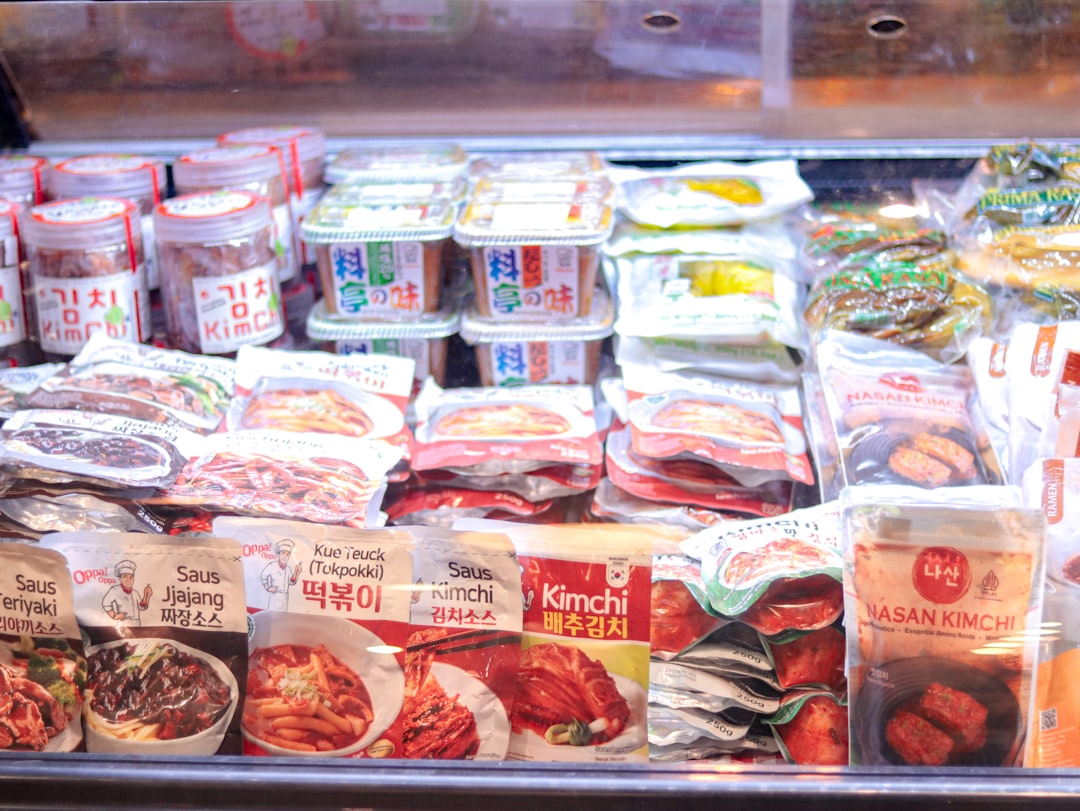
Soybeans are more than just a pantry staple; they are a nutritional powerhouse and a pivotal player in modern grocery shopping decisions. This definitive guide delves deeply into soy products, explains their nutritional benefits and allergen information, and explores how price fluctuations impact consumer choices and shopping strategies. Whether you're a seasoned soy enthusiast or just curious about adding soy-based items to your diet, this guide is your trusted local supermarket source to navigate soy in your pantry.
1. Understanding Soybeans: Types and Uses
What Are Soybeans?
Soybeans are a legume native to East Asia, prized for their high protein content and versatility. They can be found in various forms—whole, roasted, boiled, or processed into myriad products like tofu, soy milk, tempeh, soy flour, and edamame. Their multifaceted usage makes them a common fixture in many diets and cuisines.
Common Soy Products in Grocery Stores
The range of soy-based products available is vast. From traditional items like tofu and soy milk to innovative soy snacks and meat alternatives, supermarkets invest heavily in these products due to rising consumer demand and food trends emphasizing plant-based diets.
Global and Local Supply Chain Highlights
Understanding where soybeans come from informs their price and availability. The U.S., Brazil, Argentina, and China dominate global soybean production. However, local sourcing is growing for freshness and sustainability, as seen in retail pantry strategies that favor seasonal and local products to reduce carbon footprints.
2. Soybean Nutrition: What Makes Soy Special?
Macronutrient Profile
Soybeans are remarkable for their high-quality plant protein, containing all nine essential amino acids, rare for plant sources. Per 100 grams, cooked soybeans provide approximately 16 grams of protein, 9 grams of fat (mostly unsaturated), and 9 grams of carbohydrates, making them a balanced macronutrient source beneficial for many grocery shoppers pursuing healthier options.
Micronutrients and Health Benefits
Rich in vitamins such as folate, vitamin K, and minerals including iron, calcium, and magnesium, soybeans support bone health, cardiovascular function, and metabolic balance. Their isoflavones, a class of phytoestrogens, have been researched widely for potential positive effects on heart health and menopausal symptoms. For further understanding of nutrients in plant-based foods, you can explore our piece on organic food benefits.
Incorporating Soy Into a Balanced Diet
Dietary guidelines suggest moderate soy intake can be part of a balanced diet. Integrating soy as a meat alternative or protein booster offers diverse meal options, such as in zero-waste vegan meals or healthy snacks. Soy’s fiber content also promotes digestive health, supporting broader nutrition goals.
3. Allergen Information: What Shoppers Must Know
Soy as a Common Allergen
Soybeans are among the top eight food allergens recognized globally. Soy allergy affects a segment of the population who may experience mild to severe reactions. It's crucial to read product labels carefully—especially for processed soy foods—since soy derivatives can be hidden in ingredients lists.
Cross-Contamination and Labeling Standards
Many supermarkets enforce strict allergen labeling rules, but cross-contamination risks persist in manufacturing environments. Customers with soy allergies should be aware of how to identify allergens and validate product safety, particularly when purchasing batch-made or imported soy products.
Alternatives for Soy-Allergic Shoppers
People allergic to soy can explore substitutes like pea protein or almond-based products, carefully navigating their nutritional needs. Our guide to content innovations on alternative protein sources can assist shoppers in making informed, safe choices.
4. The Economics of Soy: Price Fluctuations and Their Impact
Factors Influencing Soybean Prices
Global supply disruptions, weather patterns (droughts, floods), and geopolitical events heavily influence soy prices. Our analysis in weathering supply chain storms draws parallels relevant to soybean market volatility, underscoring the importance of adaptive shopping strategies.
Price Trends Over the Past Five Years
Recent years saw significant price volatility in soybeans, driven by trade tensions and fluctuating demand for plant-based proteins. Consumers have felt the impact through higher prices of soy-based meat alternatives and dairy substitutes, necessitating savvy purchasing. Keep abreast of these trends for optimal deal timing by using our coupon stacking and flash sale tips.
How Price Changes Affect Your Grocery Budget
Price variations may compel some shoppers to switch between brands or supermarket chains. Comparing prices using a menu resilience and pricing guide allows shoppers to balance quality, nutrition, and budget effectively.
5. Shopping Smart: Finding and Choosing Soy Products
Evaluating Quality and Brand Options
Quality can vary widely between brands and product types (organic vs conventional, non-GMO certification). Examining ingredient lists and certifications helps ensure you get nutritious, trustworthy soy products. Our guide on ethical sourcing and brand trust offers insights into identifying reputable supermarket options.
Local vs. Imported Soy Products
Locally produced soy products often mean fresher inventory and lower environmental footprints, but imported products may offer cost savings or specialty items. For tips on local sourcing and sustainability, see retail and pantry strategies for community-focused shopping.
Using Price Comparison Tools and Flyers
Leveraging online tools and weekly supermarket flyers gives shoppers an edge in finding current discounts on soy products. Our advice in stacking coupons for maximum savings complements smart comparison shopping to maximize value from your local stores.
6. Soy in Cooking: Practical Kitchen Tips and Recipes
Preparing Soy Products at Home
Understanding the best cooking methods enhances soy's taste and nutritional benefits. For example, soaking and boiling dried soybeans before use improves digestion, while lightly steaming edamame locks in flavor. Our kitchen gear essentials guide recommends tools ideal for grain and legume preparation.
Creative Recipes Using Soy Ingredients
Soybeans are incredibly versatile, from stir-fries with tofu to creamy soy milk smoothies or soy-based dips. Explore our zero-waste vegan dinner guide for sustainable and delicious ways to incorporate soy without waste.
Meal Planning Around Weekly Soy Deals
Crafting meals based on weekly supermarket promotions allows budget-conscious shoppers to include soy affordably. Use our menu resilience and pricing tips combined with local flyer scans for best deals to optimize both nutrition and savings.
7. Sustainability and Ethical Considerations
Environmental Impact of Soy Farming
Soy cultivation has raised sustainability concerns, including deforestation and pesticide use. However, advances in sustainable farming, organic certification, and local sourcing efforts are mitigating these issues. Delve into how choosing organic soy products supports sustainability in organic food matters.
Choosing Certified Organic and Non-GMO Soy
Certification labels help shoppers identify responsibly produced soy. Non-GMO and organic seals guarantee higher standards, focusing on health and environmental benefits. For a broader understanding of certifications and sourcing ethics, see ethical sourcing and consumer choice.
Supporting Local and Community-Based Soy Producers
Local producers often employ more sustainable practices and support community economies. Incorporating local soy purchases into your shopping routine can amplify positive social and environmental impacts. Our retail pantry strategies emphasize such community-centric shopping.
8. Allergen Management: FAQs and Safety Measures
Managing soy allergies requires vigilance and education. Below are key frequently asked questions explaining everything from symptom recognition to safe product selection.
FAQ on Soy Allergy and Safety
1. What are typical symptoms of a soy allergy?
Symptoms can include hives, itching, swelling, digestive upset, or in severe cases, anaphylaxis. Early recognition and medical advice are critical.
2. How to identify soy ingredients in processed foods?
Look for soy lecithin, soy protein isolate, hydrolyzed soy protein, or soybean oil in ingredient lists. Labels usually indicate 'contains soy' if allergens are present.
3. Are fermented soy products less allergenic?
Fermentation may reduce allergenic proteins, but allergic individuals should still exercise caution and consult a medical professional.
4. Can cooking soybeans reduce allergenicity?
Cooking can denature some allergenic proteins but does not guarantee safety for allergic individuals.
5. What alternatives exist for people with soy allergies?
Alternatives include almond milk, rice protein, coconut products, and legumes like peas but always verify no cross-contamination.
9. Comparative Data: Soy Products Nutritional and Price Comparison
| Product | Protein (per 100g) | Calories (per 100g) | Approx. Price per unit (USD) | Allergen Risk Level |
|---|---|---|---|---|
| Tofu (firm) | 8g | 70 | $2.50 per 250g block | High |
| Soy Milk (unsweetened) | 3.3g | 33 | $3.00 per liter | High |
| Edamame (boiled) | 11g | 120 | $4.00 per 300g pack | High |
| Soy Protein Isolate (powder) | 90g | 370 | $12.00 per 500g | High |
| Soy Flour | 40g | 330 | $5.00 per 500g | High |
Pro Tip: Always compare unit prices (cost per gram or per serving) to make the most economical choice when buying soy products. Combining this with weekly deals can considerably slash your grocery bills.
10. Conclusion: Making Soy a Smart Part of Your Pantry
Understanding soybeans thoroughly — from their nutritional benefits, allergen challenges, price dynamics, to sustainability implications — empowers shoppers to make better grocery decisions that support health and budgets. Utilize local supermarket deal trackers, combine savvy shopping strategies from guides like coupon stacking, and integrate soy thoughtfully in your menus for an optimal pantry setup.
For more detailed strategies on grocery shopping and meal planning, see our menu resilience guide. To explore broader nutrition topics affecting your store choices, visit choosing organic and local retail strategies.
Related Reading
- How to Host a Zero-Waste Vegan Dinner Party in 2026 – Modern cooking hacks that sync well with soy products.
- How to Stack Coupons and Flash Sales for Maximum Savings on CES Gadgets – Shopping strategies adaptable to food deals.
- Retail & Pantry Strategy for Resorts: Curated Boxes, Zero‑Waste Shelves & Seasonal Finds – Insights into local shopping and sustainability.
- The Olive Oil for Sleep: Why Choosing Organic Matters – Understanding organic food impact which parallels soy choices.
- Kitchen Gear Essentials: Tools for Mastering Grain-Based Meals – Equip your kitchen for preparing soy and grains perfectly.