Smart Fermentation & In‑Store Culinary Labs: New Revenue Streams for Supermarkets (2026 Guide)
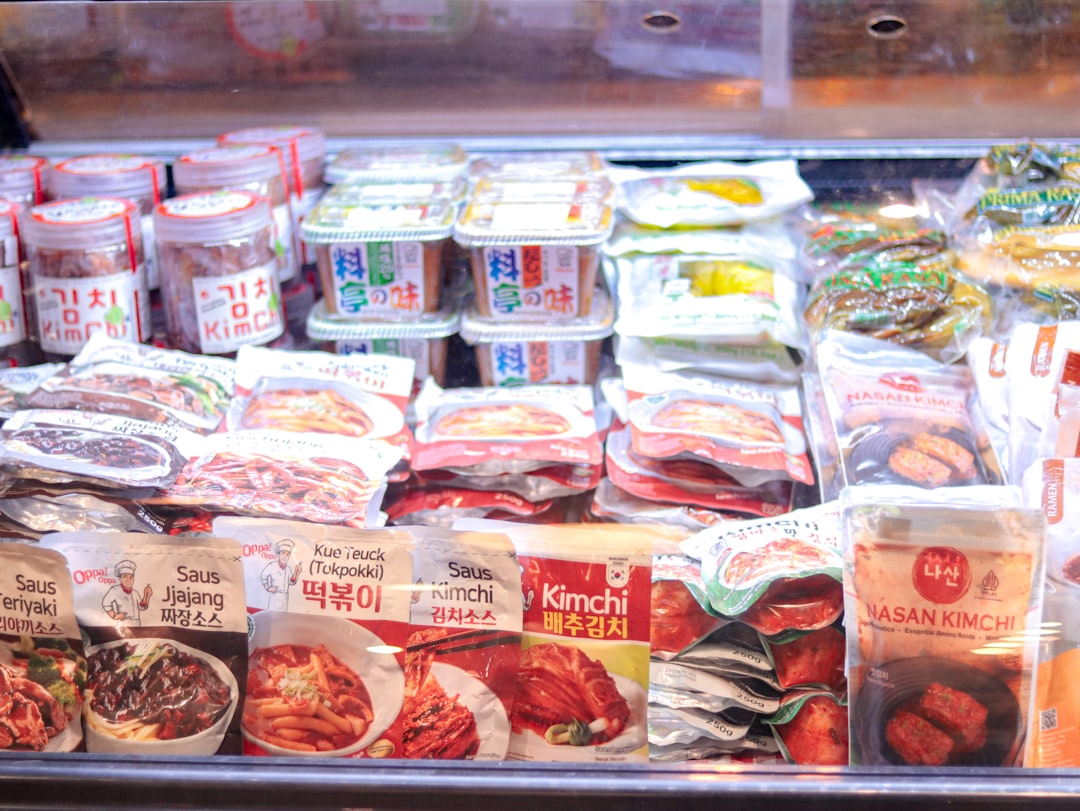
Hook: In 2026, fermentation is a merchant’s ally. From pre-packaged kimchi to in-store lacto-fermentation stations, supermarkets can turn a science-forward craft into weekly subscriptions — if they get the tech, PR and product cadence right.
The evolution: why fermentation matters today
Fermented foods deliver flavor, shelf-stability and story. But the real 2026 breakthrough is operational: smart fermentation chambers and hybrid fulfillment let retailers co-curate recipes with makers while controlling freshness and safety at scale.
Four business models supermarkets are using
- Curated retail kits — shelf-ready fermentation kits from vetted makers for at-home use.
- In-store activation labs — weekend workshops that convert product testers to subscribers.
- Co-manufactured private labels — short-run runs in shared smart fermentation chambers.
- Subscription rotations — rotating artisan jars delivered weekly or monthly, optimized by customer signals.
Operational realities and risk management
Food safety is non-negotiable. Smart chambers include integrated temperature, humidity and CO2 logging — which makes compliance and traceability simpler. For retailers, the risks to manage are:
- Regulatory and food-safety compliance for fermented products.
- Consistent quality across small batch runs.
- Supply chain variability for fresh inputs.
Technology stack that unlocks scale
2026 winners combine three tech capabilities:
- Device telemetry and trace logs from smart fermentation chambers to ensure reproducible runs and audits.
- Edge-enabled personalization so subscriptions and in-store signage adapt to shopper preferences in real time.
- Smart promotion orchestration backed by focused PR and limited-edition tactics to create urgency.
How to pilot a profitable fermentation program
Run a 12-week pilot with these steps:
- Partner with two local makers and one smart-chamber vendor. Start with a capped SKU count.
- Offer a curated starter bundle on shelf and via an in-store demo day.
- Use an on-site telemetry feed to monitor batch health and collect quality scores.
- Personalize follow-up offers using client signals so customers receive recipes and reorder suggestions tailored to their tastes.
PR, product cadence and community
Smart launches need narrative. Short bursts of publicity and limited drops convert curiosity into predictable demand. For PR and launch planning, read up on which formats still win attention in modern retail environments. Structured press and timed campaigns help — but not all tactics age equally in 2026.
Reference resources we used when building pilots and go-to-market plans:
- An operator's primer on smart fermentation chambers and how they fit home and startup use cases: Smart Fermentation Chambers: A Practical Guide for Home Chefs and Startups (2026).
- How to use real-time personalization and client signals at the edge to convert trials into recurring customers: Personalization at the Edge: Using Serverless SQL and Client Signals for Real-Time Preferences.
- Smart shopping and comparison tactics shoppers use in 2026 — important when you design bundle discounts and loyalty hooks: Smart Shopping Playbook 2026: Advanced Bargain Comparison Strategies for Savvy Shoppers.
- What still works in press and product launches in 2026 — useful to choreograph your limited runs and PR for maximum reach: Press Releases in 2026: What Still Works (and What’s Doomed).
- When designing limited edition fermentation runs, follow modern drop mechanics to avoid leftover inventory: Designing Limited‑Edition Releases That Sell Out: Pricing, Drops, and Community Curation (2026).
Monetization models that actually work
Beyond single sales, pilots show three repeatable revenue levers:
- Subscription rotations that rotate makers and flavors (high retention if personalization is good).
- Workshop-to-product funnel where attendees convert to monthly buyers.
- Private-label co-runs where the retailer and local maker split SKU economics.
Metrics to measure during a 90‑day pilot
- Demo-to-sale conversion rate.
- Repeat purchase rate in 30/60/90 days.
- Unit contribution margin after pooled fulfillment.
- Subscriber churn and engagement via client-signal feedback loops.
Future predictions and closing advice (2026–2028)
- Retailers that master safety, storytelling and personalization will convert fermentation from a curiosity into a reliable, margin-rich category.
- Edge personalization and telemetry will become as essential to specialty grocery as refrigeration.
- Limited-edition and subscription strategies will be the bridge between discovery and repeat buying.
Final note: Fermentation programs are resource-light to pilot and can create disproportionate customer loyalty if you instrument them with the right tech and PR. Start small, measure fast, and use limited drops to build community momentum.
Related Reading
- Technical SEO for ARGs and Puzzle Pages: Speed, Crawlability, and Preventing Indexing Chaos
- From Beam to Brows: What Gymnasts and Athletes Reveal About Hairline Stress and Traction Alopecia
- Resident Evil Requiem: Performance Expectations and Settings Guide for PC, PS5, Xbox Series X|S and Switch 2
- Flash Sale Strategy: How to Avoid Buyer’s Remorse During Time-Limited Tech Drops
- Network Forensics After an Outage: Tracing Errors from BGP to Browser