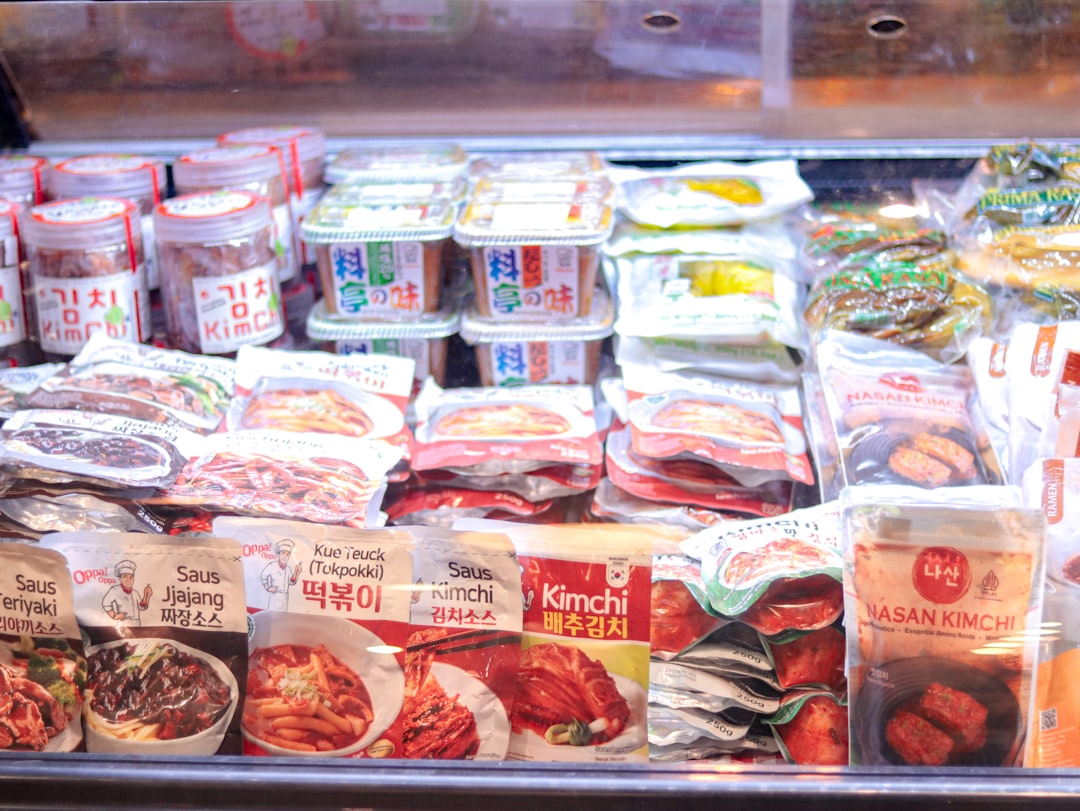
In recent years, the grocery shopping landscape has been reshaped by advancements in ecommerce and the rise of cross-border platforms like Temu. These new models are impacting local grocery shopping habits, creating new opportunities and challenges for consumers eager to save money and expand product availability.
This comprehensive guide explores the dynamic cross-border grocery market, how platforms such as Temu fit into this ecosystem, and practical insights on how consumers can get the best of both worlds.
Understanding Cross-Border Grocery Shopping
What Is Cross-Border Grocery Shopping?
Cross-border grocery shopping involves purchasing food and beverage products from supermarkets or retailers outside one’s country, usually facilitated through ecommerce platforms. This trend is increasingly popular due to globalization, improved logistics, and digital marketplaces connecting buyers and sellers across countries.
Key Drivers Behind This Shopping Trend
Consumers are motivated by various factors such as access to unique or ethnic products not found locally, price advantages from different currencies or tariffs, and broader selection ranges. Platforms like Temu capitalize on these drivers, making international grocery shopping more accessible and appealing.
Common Concerns for Consumers
Despite its advantages, cross-border grocery shopping raises questions about product authenticity, quality control, customs duties, delivery times, and perishability—topics critical in maintaining trust and satisfaction in grocery purchases.
The Rise of Platforms Like Temu and Their Market Impact
What Is Temu and How Does It Work?
Temu is an innovative ecommerce platform connecting consumers directly with manufacturers and suppliers overseas, offering a wide range of groceries at competitive prices. Its business model relies on low operating costs and efficient cross-border logistics, driving aggressive discounts on locally sought items.
Market Disruption and Consumer Benefits
Temu and similar platforms are disrupting traditional local grocery retail by increasing price competition and expanding product availability. According to market analysis, consumers can save between 15-40% on staple items compared to local supermarkets, sometimes with exclusive access to products unavailable domestically.
Challenges and Regulations for Platforms
Operating cross-border grocery platforms involves navigating complex import regulations, food safety standards, and customs processes that vary by country. Platforms invest heavily in compliance to assure product safety, reduce delays, and build consumer trust.
Comparing Cross-Border vs. Local Grocery Shopping
| Factor | Cross-Border Grocery Shopping (e.g. Temu) | Local Grocery Shopping |
|---|---|---|
| Product Selection | Wide, international varieties including exotic/unique items | Focused on local and regional products, familiar brands |
| Pricing | Often lower due to price arbitrage and direct sourcing | Stable but sometimes higher due to supply chain layers |
| Delivery Time | Longer, dependent on international shipping and customs | Fast, sometimes same-day or next-day with pickup options |
| Product Freshness | Challenged for perishables; best for non-perishables and packaged goods | Usually fresher for perishable items |
| Return & Customer Service | More complex returns, cross-border customer service challenges | Easy returns and better local support |
How Cross-Border Platforms Affect Local Grocery Markets
Driving Price Competition
By offering cheaper alternatives on basic grocery items and household goods, platforms like Temu pressure local supermarkets to innovate pricing strategies and improve offers. For consumers, this often translates into better deals both online and offline.
Impact on Local Retailers
Local grocers may suffer reduced foot traffic and lower sales on certain categories but can respond with enhanced customer experiences, loyalty programs, or integrating local-online hybrid sales models.
Supply Chain Innovations
Cross-border shopping drives advances in supply chain logistics and inventory transparency. Local grocers adopting smart technologies find new efficiencies, while consumers benefit from improved stock visibility and selection.
Product Availability and Consumer Choice Expansion
Access to Ethnic and Niche Products
Platforms like Temu expand access to diverse food cultures and specialty products otherwise unavailable or expensive locally, enriching meal options and consumer experience.
Seasonal Variability and Supply
Local seasonality often limits product availability, but cross-border platforms source globally, smoothing supply fluctuations and ensuring year-round access to selected items.
Health, Nutrition, and Ingredient Transparency
Consumers benefit from detailed online product information, including ingredient lists, origin, and allergen notices on cross-border platforms. For more on nutrition information online, see our guide on detailed recipe and ingredient transparency.
Shopping Trends Shaped by Ecommerce and Cross-Border Groceries
Rise of Mobile Grocery Shopping
Increased smartphone penetration fuels on-the-go groceries ordering, with apps integrating local and cross-border offerings into convenient user experiences.
See how digital workspaces and minimalism shape online consumer habits in our tech minimalism article.
Personalization and AI-Driven Recommendations
Advanced AI tools recommend products based on consumer preferences, including cross-border items, improving shopping efficiency and satisfaction.
Hybrid Retail Models
The blending of online cross-border shopping with local pickup or last-mile delivery methods is becoming a best practice for superior convenience and cost savings.
How Consumers Can Maximize Benefits From Cross-Border Grocery Shopping
Compare Prices and Products Across Platforms
Use marketplaces that aggregate offers from both domestic and international suppliers. For efficient comparison strategies, see price-saving tips on baked goods that apply broadly.
Check Shipping Policies and Expected Delivery Times
Plan orders to accommodate transit times, especially for perishables. Understand customs and potential additional fees before purchasing.
Read Reviews and Verify Seller Authenticity
Leverage user reviews and platform vetting processes to avoid counterfeit or substandard products, a key trust factor identified in recent expert skincare marketplace research.
Integrating Cross-Border Groceries Into Your Regular Shopping Routine
Smart Meal Planning Using On-Sale International Products
Utilize cross-border deals as part of your weekly menu planning. Platforms with AI meal planning tools help identify recipes based on your actual basket, similar to AI meal planning innovations.
Coordinate with Local Grocery Pickup and Delivery
Combine cross-border bulk orders with local fresh produce pickups for balanced nutrition and convenience. Our guide on effective local online shopping offers insight into hybrid models.
Manage Your Grocery Budget Effectively
Track expenses to understand savings from cross-border purchases and adjust accordingly to maximize budget efficiency without sacrificing quality.
Future Outlook: The Evolving Cross-Border Grocery Market
Technological Innovations Driving Market Growth
Advances in blockchain for supply chain transparency and AI-enhanced consumer interfaces are expected to further boost trust and engagement.
Policy and Regulatory Adaptations
Governments globally are updating import regulations to support safe, efficient cross-border ecommerce while protecting local industries, balancing convenience with consumer and national interests.
New Business Models and Partnerships
Collaboration between local grocers and international platforms will create hybrid shopping ecosystems, enhancing consumer choice and experience.
Pro Tip: Diversify your grocery sources by mixing cross-border platforms like Temu with trusted local supermarkets to enjoy broader selection, better prices, and fresher perishable goods.
Frequently Asked Questions
1. Is cross-border grocery shopping cheaper than shopping locally?
Generally, platforms like Temu offer lower prices on many packaged and non-perishable items due to direct sourcing and economies of scale. However, local shops often provide fresher produce at competitive prices, so mixing both can optimize savings and quality.
2. How long does delivery from cross-border grocery platforms take?
Delivery times vary widely depending on geographic location, customs processing, and logistics. Typical ranges are from one week up to several weeks. Planning ahead and checking estimated delivery times is recommended.
3. Are imported groceries safe to consume?
Reputable platforms comply with international food safety standards and provide detailed product information. Always verify seller reputation and look for certifications. For fresh or perishable items, local shops generally ensure better freshness.
4. How can I avoid customs or import fees?
Some platforms include import fees in the pricing, while others charge separately. Understanding your country's customs policies and platform terms helps avoid surprises. Small orders are often exempt from duties.
5. Can cross-border grocery shopping replace traditional local shopping?
While valuable for unique products and savings, cross-border shopping complements rather than replaces local shopping, especially for fresh produce, immediate needs, and localized preferences.
Related Reading
- Wheat Watch: How to Save on Baked Goods Amid Rising Prices - Practical tips to curb bakery expenses in a fluctuating market.
- AI and the Future of Meal Planning - Explore how smart tech revolutionizes kitchen planning.
- How to Use Google Photos' New Meme Feature for Engaging Content - Insights into digital engagement that indirectly aid ecommerce marketing.
- Evermark's New Era: The Surprising Impact on Skincare Routines - Example of marketplace vetting enhancing consumer trust.
- Unlocking the Power of Minimalism in Digital Workspaces - Lessons in simplicity improving online shopping efficiency.