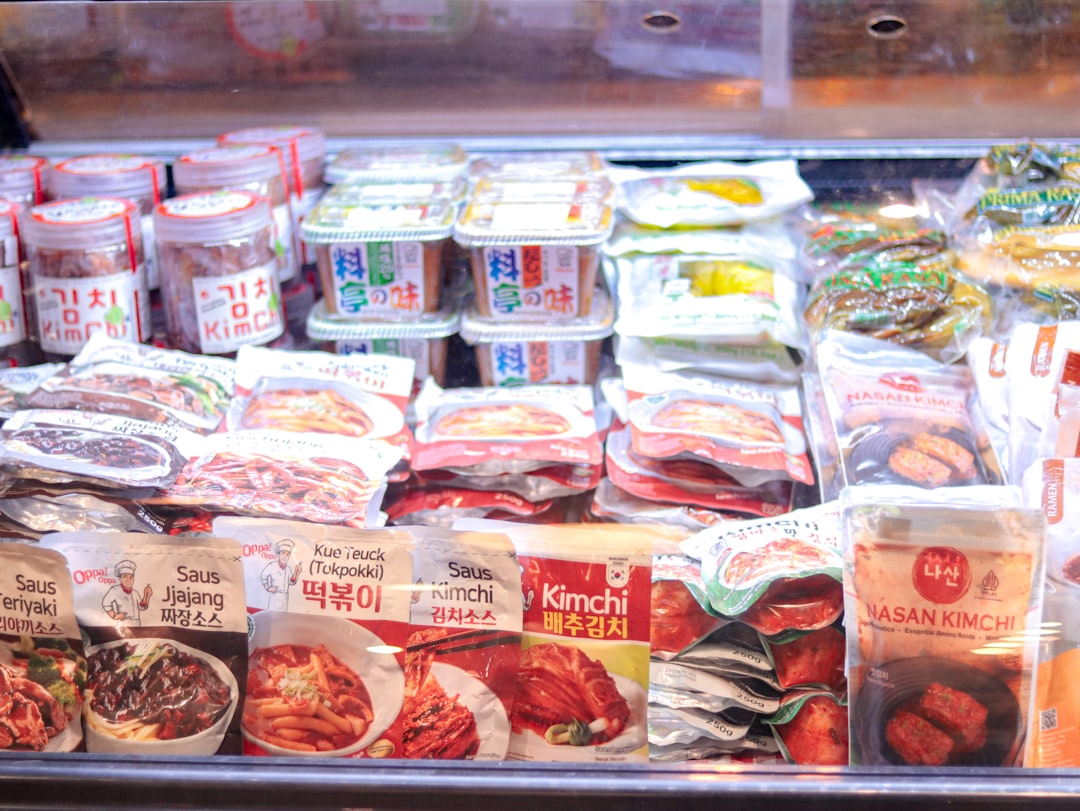
Maximize Your Grocery Savings This January with Top Retail Discounts
January is the month supermarkets clear holiday overstock, launch New Year promotions, and dust off coupon stacks. This guide shows you exactly which discount codes and flyer tactics to use — step-by-step — so you keep more cash while still eating well.
Why January is Prime Time for Grocery Savings
1. Post-holiday clearance and promotional cycles
Retailers shift inventory after the holidays: seasonal candies, party pack sizes and specialty items often drop to clearance levels. National and regional chains run January promotions to capture budget shoppers, and many brands release manufacturer coupons timed to these markdowns. Understanding that cycle lets you plan stocking, freezing, and meal plans around real discounts rather than perceived savings.
2. New‑year promotions and diet trends create predictable demand
Dry January, health resolutions and meal-kit trial offers create predictable promotional windows. You can pair a grocery store’s ‘healthy eating’ promo with manufacturer coupons or hyperlocal meal-kit credits to lower per-meal costs. For ideas on turning Dry January momentum into community savings, see this practical event playbook on hosting swaps and sales: use Dry January momentum to host a swap-and-sell neighborhood event.
3. Macro factors: tariffs, commodities and pricing pressure
Prices aren’t just promotional — policy and commodity costs matter. Tariffs and global commodity shifts can increase baseline grocery prices, making it essential to differentiate true discounts from temporary price changes. For a deeper look at how tariffs affect your grocery bill, read this analysis: Understanding the Impact of Tariffs on Your Grocery Bill.
How to Find the Best January Coupons and Discount Codes
1. Combine digital coupon aggregators with store flyers
Start with the weekly flyer — it tells you what’s on promo at the shelf price. Then check coupon aggregators and manufacturer sites for stackable coupons. Verified coupon collections are a good quick filter; for example, this coupon roundup demonstrates how specialized collections gather verified promo codes: CosyPanda and beyond: verified coupon collection.
2. Use hyperlocal discovery and apps for instant deals
Local-first discovery tools surface nearby clearance and flash deals faster than national search. Platforms and playbooks for privacy-first local discovery show how to build and use tools that highlight hyperlocal sales you won’t find on a general search: Genie-Powered Local Discovery. Pair that with store push-alerts to catch limited-time codes and digital scratch-offs.
3. Track promo windows: meal-kit, micro-fulfillment and pop-ups
Meal‑kit trial offers and micro‑fulfillment centers often run limited intro credits or free-shipping codes in January. For strategies on how hyperlocal meal kits and micro-fulfillment lower costs and delivery times, read these practical playbooks: Hyperlocal Meal Kits 2026 and Micro-fulfillment & Edge Commerce.
Smart Coupon Strategies: Stacking, Timing, and Redemption
1. Understand stacking rules
Not all coupons stack. Many stores let you use one manufacturer coupon plus one store coupon and a loyalty discount. Read the promo fine print: stacking rules, expiration dates, and limits per transaction are commonly enforced. Set up a simple checklist to test coupons in one transaction to confirm compatibility before relying on them for a bulk shop.
2. Time purchase windows for maximum markdowns
Combine manufacturer coupons (clipped or digital) with store clearance when possible. Example: if a holiday item is 50% off clearance and a manufacturer coupon takes another 25% off (or a store issues an additional 20% off clearance coupon), your effective savings multiply. Use the weekly flyer as your baseline and wait 1–2 weeks into January for the deepest seasonal cuts.
3. Use loyalty apps and digital coupons only when they beat cash-back apps
Stacks that combine loyalty discounts, mobile coupons, and credit-card cash back produce the biggest net savings. Test combinations: if a store app offers $5 off $25 and a cash-back app offers 10% back, do the math. Keep receipts and digital confirmations for returns or adjustments.
What Promotions to Watch by Store Type
1. Big-box and national supermarkets
Expect nationwide circulars with general food staples at rock-bottom unit prices — rice, pasta, canned goods, frozen vegetables. Big-boxers often run free-shipping codes or site-wide % off codes on grocery orders in January; combine those with manufacturer coupons when allowed.
2. Discount and variety stores
One-euro or dollar stores run weekend events and micro‑markets that are perfect for non-perishable pantry items. Buying basics here can dramatically lower your pantry costs; learn how low-cost weekend markets win customers: How One‑Euro Stores Win Weekend Markets.
3. Local grocers, pop‑ups and neighborhood drops
Neighborhood pop-ups and food creator events can offer bulk, direct-priced discounts or package deals. Use pop-ups for seasonal produce and small-batch bargains—see how neighborhood pop-ups and short-form commerce are reshaping local food promos: Neighborhood Pop‑Ups & the Food Creator Economy.
Leverage Local and Hyperlocal Options
1. Micro-fulfillment and fast pickup to avoid delivery premiums
Micro-fulfillment reduces delivery costs and can produce flash-pickup coupons. Stores experimenting with edge commerce release short-term discount codes tied to fast pickup windows: learn the growth engine logic behind micro-fulfillment here: Why Micro‑Fulfillment and Edge Commerce Are the Growth Engine.
2. Pop‑ups, mobile kitchens and low‑waste micro-events
Mobile food pop-ups and low-waste events sometimes sell surplus produce or intent-to-sell bundles at steep discounts. The playbook for mobile tech and low-waste noodle pop-ups shows practical examples of running low-cost food events you can buy from: Mobile Tech & Low‑Waste Noodle Pop‑Ups. Likewise, hybrid retail pop-ups deliver flash promos around the city: Hybrid Retail 2026.
3. Community swaps and local marketplaces
Community-driven swap events reduce food waste and refresh your pantry without spending. Local swap strategies and micro‑sales — especially after Dry January — are covered in this neighborhood event guide: Use Dry January Momentum.
How to Turn Sale Items into Weekly Meal Plans
1. Build modular meal plans from sale clusters
Take the weekly flyer and build a 3–4 recipe rotation that uses the same core sale item (chicken breasts, canned tomatoes, frozen veg). This reduces waste and lets you buy larger sale packs when unit price is lower. If you want to publish or monetize your meal plans, see micro-mentoring and knowledge-base models for turning savings expertise into income: Monetize Knowledge Base & Micro‑Mentoring.
2. Use online channels for recipe inspiration from sale items
Creators and channels often publish “what’s on sale” recipe videos in January — great for inspiration. If you want to learn how to produce quick cooking content from sale ingredients, this guide covers YouTube-friendly channel setup and meal video basics: How to Set Up a YouTube‑Friendly Cooking Channel.
3. Stretch proteins and fresh produce with desserts and bulk recipes
When fruit or dairy is on promotion, plan desserts or batch baking to use surplus. For seasonal dessert ideas that emphasize local ingredients and sustainability, see: Sweet Sustainability: Seasonal Desserts.
Practical Case Studies: Real January Savings You Can Replicate
Case study A — Stacking a clearance holiday item with manufacturer coupon
Scenario: Post-holiday boxed chocolates marked down 60% plus a 25% manufacturer coupon. Action: buy instead of paying full price during December if you have freezer space. Result: effective savings >70% per unit when combined with loyalty points. For examples of pop‑up storage and managing short-term inventory (helpful if you bulk‑buy), consult this retail pop-up and storage guide: Retail Pop‑Up & Storage Guide.
Case study B — Using micro-fulfillment pickup codes for pantry staples
Scenario: Local chain offers $10 off $50 for same-day micro-fulfillment pickup. Action: combine with 10% manufacturer coupons on canned goods and rice. Result: lower per-unit cost plus avoided delivery fees; micro-fulfillment makes flash codes attractive as last-mile costs fall. Background on the economics: Micro‑Fulfillment & Edge Commerce.
Case study C — Community swap plus pop‑up buy
Scenario: You host a Dry January swap and pick up surplus pantry items from neighbors. Action: combine these with a neighborhood pop-up rice/produce bundle. Result: minimal cash outlay for a week’s food. For inspiration on neighborhood pop-ups and creator-driven food economies, see: Neighborhood Pop‑Ups & Short‑Form Food Creator Economy.
Pro Tip: Track unit price (price per 100g or per item). When a coupon says “$1 off” it might not beat another brand’s lower unit price — compare before you buy.
Comparison: Top January Promo Types (Quick Reference)
The table below summarizes typical January promos, how to redeem them and when they make sense.
| Store / Promo Source | Deal Type | Typical Savings | Coupon Code / How to Redeem | Best Use Case |
|---|---|---|---|---|
| National Supermarket | Weekly flyer + loyalty coupon | 10–40% on staples | Apply loyalty card + in‑app coupon | Weekly staples and bulk buys |
| Big‑box Online Grocery | Sitewide % off + free shipping codes | 5–25% + saved delivery fees | Enter promo at checkout (code sent via email) | Large orders to avoid pickup fees |
| Micro‑Fulfillment Pickup | Time-limited pickup credits | $5–$15 off | Auto-applied or code for same‑day pickup | Pantry replenishment and frozen goods |
| Local Pop‑Up / Market | Bulk bundle pricing | 20–60% on selected items | Pay on-site; sometimes pre-order codes | Seasonal produce and house-brand goods |
| Discount Variety Stores | Flash weekend markets | Up to 70% on certain SKUs | No code — in-store only | Non-perishables and household basics |
Advanced Tactics: When to Buy, Freeze, or Trade
1. Freeze sale proteins and bulk breads
When meat or bread hits an exceptional unit price, freeze in meal-sized portions. Label with date and recipe notes so you rotate efficiently. This practice turns a short window of opportunity into months of savings.
2. Buy for community needs (pet food, baby formula) intelligently
Some categories — pet food and formula — are volatile and often excluded from coupons. Use mapping tools and local convenience options to find immediate needs and promos. For example, if you need emergency pet food, local convenience mapping can help you find retail options fast: Where to buy emergency cat food near you.
3. Buy artisan, DTC and small-batch selectively
Artisan producers sometimes run January small-batch promotions to clear inventory. If you value quality and want to support local DTC makers while saving, look for their January deals. A playbook for emerging DTC trends explains how to hunt deals from artisans: Upscale Your Artisan Shopping.
Tools and Platforms to Monitor Right Now
1. Coupon aggregators and verified collections
Use verified coupon collections to avoid expired or fraudulent codes. Collections that validate codes save time when stacking multiple offers; see an example of verified coupon aggregation here: CosyPanda and beyond.
2. Local discovery platforms and creator drops
Creators and neighborhood drops will often post one-off discount codes or pop-up bundle promos. Follow local creator channels and hyperlocal discovery tools that prioritize privacy and relevancy: Genie-Powered Local Discovery and the rise of neighborhood pop-ups: Neighborhood Pop‑Ups & the Food Creator Economy.
3. Flash market playbooks and mobile pop-ups
Flash markets and mobile kitchens offer surplus or re-batched items at deep discounts. Read practical field guides on how mobile tech and low-waste pop-ups operate to capture those deals: Mobile Tech & Low‑Waste Noodle Pop‑Ups and Hybrid Retail Pop‑Up Strategies.
FAQ — Frequently Asked Questions
Q1: Can I combine manufacturer coupons with store promotions?
A1: Often yes — most stores accept one manufacturer coupon plus one store coupon and loyalty discounts. Always read the flyer fine print and test with a small purchase if unsure.
Q2: How do I know if a coupon is verified?
A2: Use reputable coupon aggregators and verified collections. Sites that re‑check codes and document redemption windows (like the coupon roundup example linked above) reduce risk of expired codes: Verified coupon collection.
Q3: Are micro-fulfillment pickup credits worth it?
A3: Yes, when they remove delivery fees or let you access sharper in-store clearance. Read about micro‑fulfillment strategies here: Micro‑Fulfillment Playbook.
Q4: How do tariffs change what I should buy on sale?
A4: Tariffs can increase baseline prices on imported staples, making locally-sourced or in-season items comparatively cheaper. See the tariffs primer for long-term context: Impact of Tariffs.
Q5: Where can I find emergency or last-minute pet food deals?
A5: Local convenience mapping and express store locators are your fastest route. For mapped options, check this guide to nearby emergency cat food sources: Where to buy emergency cat food near you.
Checklist: Your January Savings Playbook (Action Items)
1. This week: Scan flyers & collect codes
Subscribe to your top three supermarket flyers, open store apps and save in‑app coupons. Add manufacturer coupon alerts for staples you use. Use local discovery tools to surface pop-ups and flash markets.
2. Within 48 hours: Test a stack
Perform a small test transaction combining a store promo, manufacturer coupon and loyalty discount. Confirm compatibility and document the steps for repeatable savings.
3. This month: Buy bulk where unit price is best
Freeze or store bulk buys from proven stack combos. For ideas on turning craft or artisan deals into savings without compromising quality, see: Artisan DTC trends and buying strategies.
Final Thoughts: Make January Work for Your Budget
January promotions are not just markdowns — they are opportunities to reset your pantry strategy, try new meal-kit and micro-fulfillment services, and use community tools to stretch every dollar. Combine weekly flyers with verified coupons, use hyperlocal discovery, and test stacking rules on small transactions before committing to bulk purchases.
If you want to dig deeper into neighborhood promo models, local creator drops, or how to monetize what you learn by teaching others, explore these practical resources: neighborhood pop-up strategies (Neighborhood Pop‑Ups), hybrid retail pop-ups (Hybrid Retail 2026), and monetization playbooks (Monetize Knowledge Base).