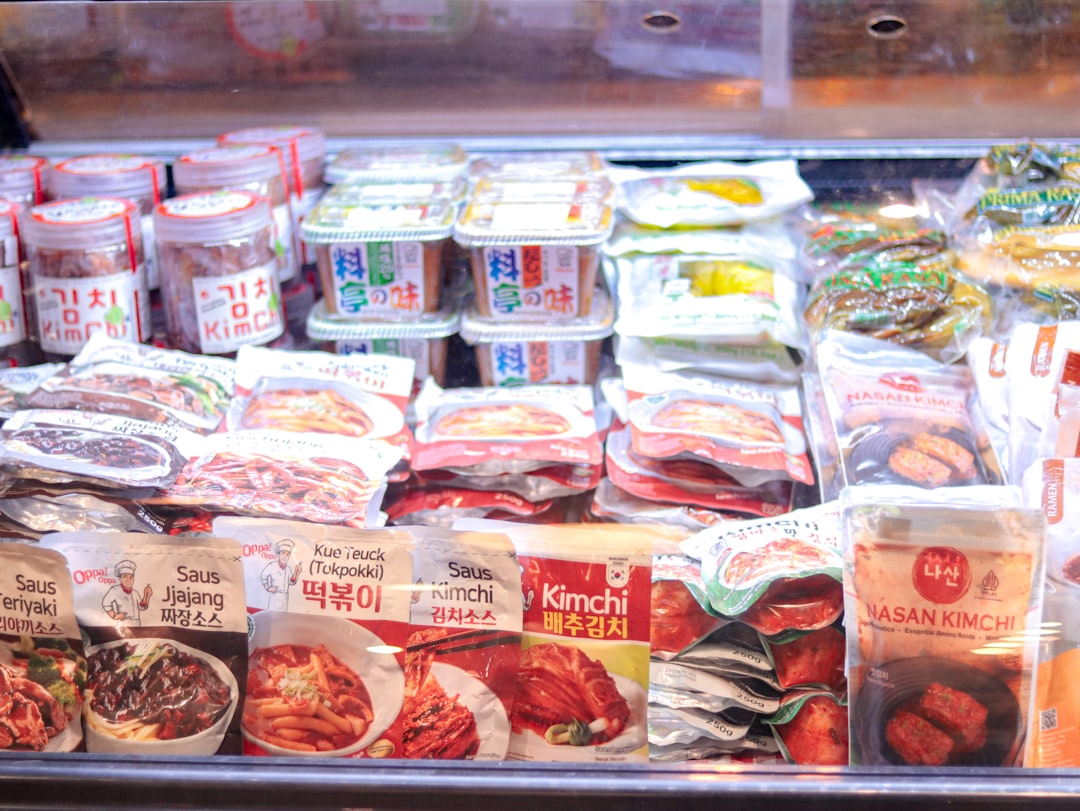
The Evolution of Supermarket Layouts in 2026: Data-Driven Pathways to Purchase
Hook: In 2026, a supermarket layout is no longer a static map of shelves — it’s an adaptive ecosystem that blends AI-driven flow analysis, sustainable display strategies, and community programming to increase basket value and reduce friction.
Why layout matters more now
Shifts in shopper behavior, tighter margins, and higher expectations for safety and sustainability have pushed grocers to treat floor plans as live products. Rather than a once-a-year remodel, stores now iterate on layout and merchandising weekly based on real-time signals.
“Layouts that learn from traffic and seasonality outperform static designs by double-digit conversion gains.” — field reports from independent and chain pilots.
Core components of modern supermarket layouts
- Dynamic circulation paths: routing that adjusts for peak periods and crowd flow.
- Experience micro-zones: tasting bars, live demos, and micro-workshops that increase dwell time.
- Sustainable endcaps & packaging displays: prioritizing recyclable displays to match product claims.
- Hybrid checkouts: a mix of self-checkout, mobile pay, and staffed express lanes.
Practical playbooks and cross-disciplinary tactics
If you’re implementing change this year, combine an operations playbook with a packaging and marketing lens. The Operations Playbook for Seasonal Retail is a must-read for fine-grained tactics on staffing, inventory, and returns alignment during layout changes — it frames how to scale labor for new experiential zones without breaking service metrics.
For merchandising that supports sustainability goals, pair layout changes with the Sustainable Packaging Playbook for Small Makers (2026). Smaller brands and in-store private labels that trial recycled or reusable packaging need display templates that protect the value proposition while keeping costs predictable.
SEO and digital discovery are part of the in-store funnel now. Our industry has seen how structured data can translate to measurable traffic growth — learn from a detailed case study on structured data and Compose.page to align your category pages and local listings with in-store promos and seasonal displays.
Finally, smaller grocers can borrow inventory cadence and forecasting methods from the micro-shop world — the practical guide on Inventory Forecasting for Micro-Shops helps you avoid common pitfalls when you rapidly change assortment or introduce new experiential zones that shift product velocity.
Layout experiments that work in 2026
- Neighborhood express lane: a condensed core SKU set with a dedicated entrance for high-frequency shoppers; measured by lift in trip frequency.
- Seasonal discovery loop: a circular path around a changing endcap program; works well with local producers and sustainable packaging pilots.
- Micro-class corner: 12-person capacity for tastings and demos tied to loyalty-member acquisition.
- QR-enabled stories: digital callouts on shelves that surface provenance, packaging choices, and recipe ideas.
Metrics to watch — beyond sales
- Time-in-store by segment and promotion
- Repeat path consistency (how often shoppers re-trace the same route)
- Conversion of micro-zones (tastings → purchase)
- Waste reduction in promotional displays
Operational integration
Design pilots in short sprints and coordinate with operations. The seasonal retail playbook linked above offers staffing matrices and inventory safety buffers that prevent stockouts during layout-led promotions. Short sprints also allow you to test packaging-friendly fixtures from the sustainable packaging guide without committing to full rollouts.
How to start this quarter
- Run a 30-day diagnostic: heatmapping, POS speed, and top-20 SKU flow.
- Choose one micro-zone and one packaging pilot; measure baseline lift.
- Align local SEO and structured data so digital discovery amplifies in-store traffic — see the structured data case study for specifics.
- Build staff training micro-sessions tied to new service moments.
Closing thought
Layouts in 2026 are living systems. When you pair operations discipline, sustainable merchandising, and digital discovery you unlock outsized, sustainable gains. Use the operational resources and packaging playbooks above to move fast and measure rigorously.
Further reading: For tactical micro-shop inventory cadence and marketing tools that scale on a small budget, see the guides on inventory forecasting and micro-shop marketing tools.
Related Reading
- The Cosy Commuter Edit: Hot-Water Bottle-Style Solutions for Your Morning Train
- How to Spot and Report a Deepfake Generated from Your Home Security Footage
- Cheap Smart Home Starter Pack Under $150: Lamps, Plugs, and Speakers on Sale
- Hybrid Edge-Cloud Strategies for Low-Latency Inference in Supply Chain Operations
- How Peer-Chosen Leadership Shapes Organizational Strategy: Lessons From NAIC Committee Selections