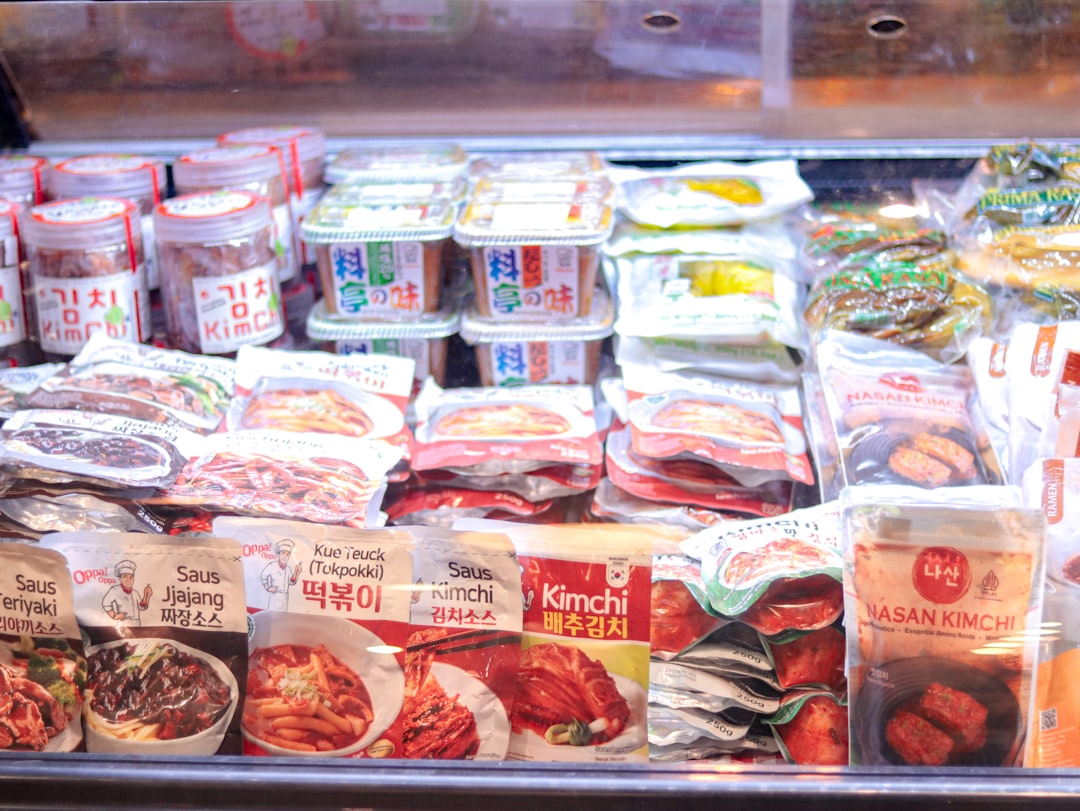
Korean culture is captivating the world, from K-beauty trends that revolutionize skincare routines to vibrant Korean dramas and mouthwatering cuisine. If you're a fan of K-culture, why not expand your experience by hosting a Korean-inspired grocery night at home? This guide provides a comprehensive roadmap to crafting an authentic Korean dinner using local ingredients from your nearby supermarkets, even if you don’t have access to specialty Asian markets. You’ll learn how to plan, shop smartly, and create delicious Korean recipes that celebrate the essence of Korean food culture while making the most of your grocery options.
Understanding the Appeal of K-Culture and Korean Cuisine
The Global Rise of K-Beauty and K-Food
K-beauty’s emphasis on natural ingredients and meticulous routine has fueled global curiosity about Korean lifestyle habits, including food. Korean cuisine shares that balanced approach—rich flavors from simple, fresh ingredients and fermented foods that promote gut health. Aligning a Korean-inspired meal with your local grocery trip offers a holistic glimpse into K-culture’s healthful and flavorful lifestyle.
Why Korean Recipes Are Perfect for Everyday Meal Planning
Korean cooking involves an array of side dishes (banchan) and staple dishes that encourage communal dining and variety on your plate. This makes Korean meals ideal for meal planning with flexibility in ingredients and quick cooking techniques suitable for busy lifestyles.
Local Ingredients: The Key to Authenticity and Accessibility
While some Korean ingredients may seem foreign, many local supermarkets stock surprisingly versatile items that can substitute or match traditional Korean staples. Knowing how to identify and use these ingredients is crucial for crafting an authentic experience that’s both budget-friendly and accessible.
Step 1: Planning Your Korean-Inspired Grocery Night Menu
Choosing Iconic Korean Dishes for Your Dinner
Start with crowd-pleasers like bibimbap (mixed rice bowl with vegetables and protein), bulgogi (marinated grilled beef), and kimchi jjigae (kimchi stew). These dishes represent diverse flavors and cooking styles that are relatively simple to prepare.
Incorporating K-Beauty-Inspired Ingredients into Your Meal
With the K-beauty trend emphasizing natural and fermented components, consider adding fermented ingredients like kimchi or soybean paste (doenjang). They not only add depth of flavor but also digestive and skin benefits, reinforcing your wellness through food.
Balancing Traditional and Contemporary Korean Flavors
While preserving authenticity, feel free to adapt dishes to use locally available fresh produce and proteins. For example, you can substitute exotic mushrooms with locally grown shiitake, or use organic eggs from your supermarket for bibimbap, merging convenience with authenticity.
Step 2: Mastering Korean Grocery Shopping Locally
Key Korean Ingredients You Can Find at Local Supermarkets
Many supermarkets now carry essentials like gochujang (Korean chili paste), sesame oil, soy sauce, rice vinegar, and dried seaweed. Seasonal produce such as napa cabbage, Asian green onions, and bean sprouts are often available in the produce aisle. These staples form the backbone of Korean cooking.
How to Shop Smart Using Local Deals and Availability
For savvy shoppers, checking weekly grocery deals can significantly reduce your shopping cost. For example, if locally sourced vegetables or proteins are on sale, adapt your Korean recipes to highlight those ingredients. Using online supermarket platforms to compare prices across local stores saves time and money.
Reading Labels for Authenticity and Allergens
Since some products might be imported, checking labels for ingredient lists, allergens, and country of origin is important. This ensures both authenticity and safety for your household. Many online platforms provide detailed product info, which simplifies this process. Review our guide on understanding grocery product information for more.
Step 3: Essential Korean Pantry Staples to Stock for Future Meals
Fermented Staples: Kimchi, Doenjang, and Gochujang
Fermented items are fermented for a reason — rich flavors and health benefits. Investing in these staples means you’re ready for quick Korean-style meals anytime. Kimchi, for instance, adds spice and probiotic quality, ideal even as a standalone side.
Rice and Noodles: The Backbone of Korean Meals
Short-grain white rice is preferred for meals like bibimbap and kimbap, but brown rice or mixed grains offer healthier options. Korean glass noodles (dangmyeon) made from sweet potato starch are widely used in dishes like japchae. Many supermarkets carry these, and keeping them handy expands your Korean cooking repertoire.
Sauces and Seasonings for Authentic Flavor Profiles
Besides gochujang and soy sauce, other key flavor enhancers include fish sauce and roasted sesame seeds. These add umami and depth to dishes and are available in the international or Asian food aisles.
Step 4: Preparing Your Korean-Inspired Dinner: Cooking Tips and Techniques
The Art of Layering Flavors
Korean cuisine thrives on layering multiple flavors — spicy, sweet, salty, and umami. Building this requires progressing step-by-step with marinades, sauces, and finishing oils like toasted sesame. For example, bulgogi benefits from marinating thin beef slices in a soy, garlic, and pear mixture giving sweet-savory notes.
Cooking the Perfect Korean Rice
Rice is the foundation of almost every Korean meal. Rinsing rice thoroughly removes excess starch for fluffier texture. Using the right water-to-rice ratio and letting it steam properly are key to perfect rice. Consider using a rice cooker to simplify this, and check our recommended rice cooking methods.
Preparing Banchan: The Korean Side Dishes
Banchan ranges from spicy kimchi to mild pickled cucumbers. These small dishes require simple prep but transform the experience. Including at least two or three banchan allows guests to explore contrasting tastes that stimulate appetite and conversation.
Step 5: Pairing Korean Beverages and Desserts for a Complete Experience
Popular Korean Drinks to Complement Your Meal
Korean rice wine (makgeolli) and barley tea (bori cha) are traditional beverages that pair well with spicy dishes. Many local liquor stores carry makgeolli, or you can opt for non-alcoholic options such as plum tea (maesil cha) found in Asian grocery aisles.
Korean-Inspired Desserts You Can Make or Buy
Light and slightly sweet rice cakes (tteok) or honeyed sweet potato balls can round out the meal. Alternatively, frozen mochi is often sold in the frozen dessert section of supermarkets and can provide a familiar yet exotic finish.
Incorporating K-Beauty Ingredients for Post-Meal Wellness
Green tea, rich in antioxidants and often used in K-beauty formulations, is a soothing post-meal beverage. Incorporate this to finish your Korean night with a nod to wellness trends.
Step 6: Bringing Korean Culture Home Through Table Setting and Dining Etiquette
Creating an Inviting Korean Table Setting
Korean meals are communal, usually served family style with small individual bowls for rice and soup. Arrange dishes in a circular or rectangular layout to encourage sharing. Use chopsticks and spoons and provide side plates for sauce tasting.
Understanding Korean Dining Etiquette
Learning a few etiquette rules, such as waiting for elders to start eating or not sticking chopsticks upright in rice, can enhance the authenticity and respectfulness of your gathering. For more cultural context, see our guide on Korean dining customs.
Infusing K-Pop and Ambiance into Your Night
Complement your meal with a K-pop playlist or Korean drama playing subtly in the background to fully immerse guests in the atmosphere. This holistic approach enriches the food itself with cultural experience.
Step 7: Saving Money and Time with Smart K-Culture Grocery Shopping
Using Local Online Platforms to Compare Prices
Platforms like local grocery price comparison tools help you identify where to buy Korean staples cheaper or find substitutes. This helps with budgeting your grocery night without sacrificing authenticity.
Buying in Bulk and Proper Storage Techniques
Fermented staples, sauces, and rice are ideal for bulk purchase as they store well. Proper refrigeration and sealed containers extend shelf life and reduce waste, ensuring you’re ready for multiple Korean-inspired meals.
Meal Prep Strategies for K-Culture Weeknights
Batch-cooking staples or marinating proteins in advance enables quick weekday dinners inspired by Korean flavors. Our meal prep tips provide detailed instructions to streamline this process.
Step 8: Frequently Asked Questions (FAQ)
What are beginner-friendly Korean recipes for home cooks?
Simple dishes like bibimbap, bulgogi, and kimchi fried rice provide easy entry points with minimal complex steps but rich flavors.
Can I substitute ingredients if Korean staples aren’t available locally?
Yes, many Korean recipes are adaptable. For example, miso paste can substitute doenjang, or regular chili paste mixed with a sweetener can replace gochujang.
How do I store fermented Korean products like kimchi?
Keep kimchi refrigerated in airtight glass containers to maintain fermentation and freshness. It typically lasts several weeks stored properly.
Are Korean meals healthy options?
Traditional Korean meals emphasize vegetables, fermented foods, and lean proteins, offering a balanced and nutritious diet consistent with K-beauty wellness principles.
Where can I find authentic Korean sauces locally?
Many local supermarkets carry essential sauces in the international aisle. For a wider selection, check Asian markets or order online through specialty grocers.
Comparison Table: Local vs. Specialty Store Korean Ingredients
| Ingredient | Local Supermarket Availability | Specialty Store Availability | Price Comparison | Notes |
|---|---|---|---|---|
| Gochujang (Korean chili paste) | Often available in international section, moderate price | Wide variety of brands, including artisanal options | Local stores usually cheaper by 10-20% | Check label for sugar content; specialty stores may offer low-sugar versions |
| Kimchi | Pre-packaged kimchi in refrigerated aisle | Freshly made kimchi with multiple flavor profiles | Local supermarket $5-$8 per pack; specialty $8-$15 | Freshness and variety better in specialty stores |
| Doenjang (fermented soybean paste) | Occasional availability, usually small jars | Larger selections, including homemade quality | Specialty stores 15%-30% more expensive | Local alternatives: miso paste |
| Korean Rice (short grain) | Available as standard short-grain rice | Specialty brands and varieties | Price similar | Cooking technique impacts more than rice brand |
| Dried Seaweed (gim) | Seaweed snacks or sushi nori | Traditional roasted seaweed packs | Local usually cheaper | Be mindful of seasoning if using for cooking |
Pro Tip: To maximize flavor authenticity and budget, plan recipes around local availability but keep essential fermented staples stocked from specialty stores when possible.
Conclusion: Your Gateway to Korean Culture Right from Your Grocery Aisle
Embracing K-culture through food is an enriching way to experience its nuances and health benefits. By strategically planning your grocery shopping with a focus on accessible local ingredients, you can craft beautiful Korean meals that honor the tradition and join the global K-beauty movement in wellness. Remember, authenticity is as much about the heart and experience as about specific ingredients. Invite friends and family to share your Korean-inspired dinner night, complete with cultural touches and delicious casts of flavors.
For more ways to elevate your home cooking and supermarket savvy, check out guides on meal prep strategies, Korean recipes, and product label reading tips.
Related Reading
- Bibimbap: The Ultimate Korean Rice Bowl Explained - Dive into the traditional components and easy local substitutes for bibimbap ingredients.
- How to Compare Grocery Prices Online Effectively - Save money on your K-culture groceries with smart digital tools.
- Meal Planning Made Easy for Busy Families - Organize weekly meals including international dishes like Korean cuisine.
- Understanding Grocery Product Labels: Allergens and Origins - Shop with confidence by decoding food packaging labels.
- Meal Prep Tips for Flavorful and Efficient Cooking - Learn how to prepare Korean meals in batches without compromising taste.