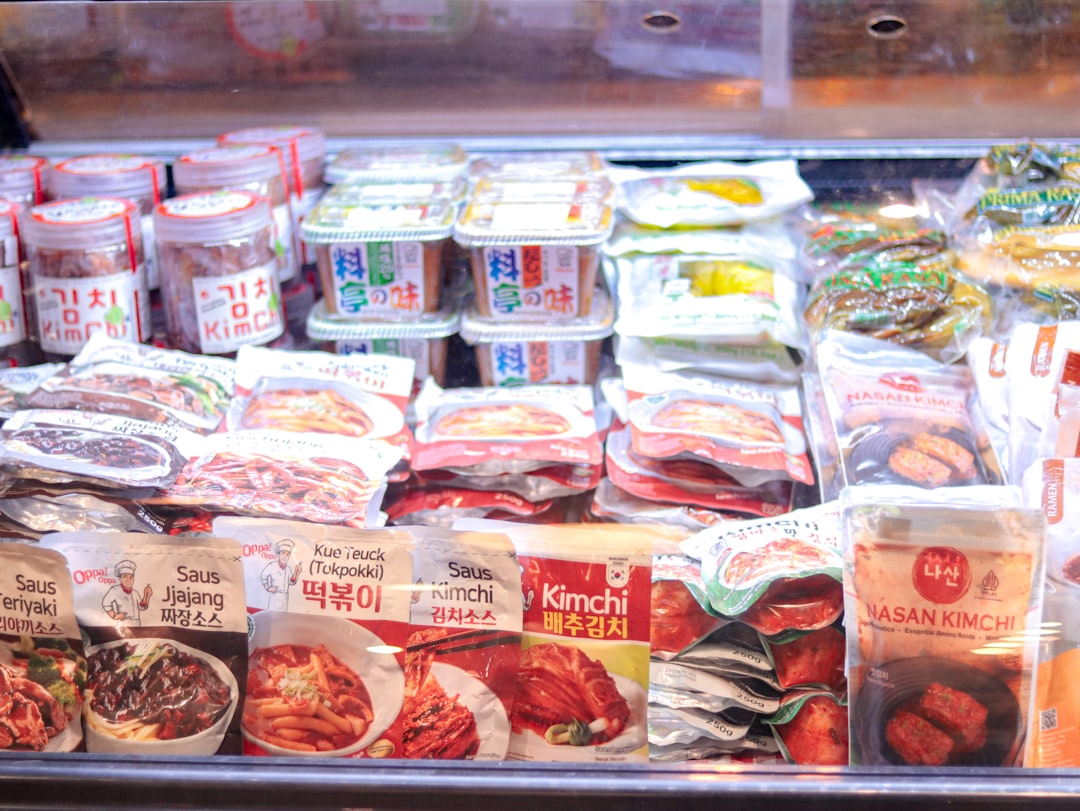
Exploring international products in your local grocery store opens exciting culinary avenues and brings authentic flavor profiles right to your table. Yet, for the budget-conscious shopper, sourcing these unique cultural ingredients can be challenging amid fluctuating prices, varying quality, and an abundance of choices. In this definitive guide, we share expert tips for budget-friendly grocery shopping, ensuring you not only savor global flavors but do so smartly and sustainably.
1. Understanding International Products and Their Flavor Profiles
International products encompass food and beverage items sourced from diverse cultures worldwide, often reflecting traditional culinary practices, indigenous ingredients, and unique processing methods. These products enhance home cooking by introducing authentic flavors, aromas, and textures not typically found in local fare.
1.1 Identifying Authentic Ingredients Versus Imitations
To optimize flavor experiences, it’s crucial to distinguish authentic ingredients from imitations or generic alternatives. For example, real Italian Parmigiano-Reggiano differs markedly from factory-produced Parmesan substitutes in taste and aging process. Understanding certification labels like Protected Designation of Origin (PDO) can guide you toward genuine goods.
1.2 Key International Flavor Profiles to Explore
Familiarizing yourself with predominant flavor profiles—such as the umami-rich soy sauces from Japan, fiery chili pastes from Southeast Asia, or fragrant spices in Middle Eastern blends—helps direct your purchases toward desired culinary outcomes. This approach also supports meal planning that harmonizes these international ingredients effectively.
1.3 Combining Local and Imported Ingredients for Balanced Taste
Balancing imported international products with fresh, local, and organic items can elevate your dishes while supporting sustainable sourcing. For instance, pairing local organic vegetables with international sauces or spices creates complex flavors without excessive cost. For more on blending local and global, see our guide on sustainability and sourcing local/organic options.
2. Budget-Friendly Strategies for Comparison Shopping International Products
Shopping international products requires strategic comparison shopping to avoid overspending. Unlike staples, specialty items often vary widely in price and quality depending on origin, brand, and packaging.
2.1 Use Unit Pricing to Compare Effectively
Unit pricing (price per gram, ounce, or liter) is essential to evaluate the true cost across differently sized packages or brands. This eliminates the misleading effect of packaging size promotions. Our detailed advice on unit price comparison is outlined in product comparisons and reviews.
2.2 Watch for Weekly Deals, Flyers, and Coupons on International Products
Many supermarkets periodically feature discounts on imported products, especially during cultural celebrations. Subscribing to local supermarkets’ digital weekly deals and coupons helps you catch these promotions. Also, check out dedicated online content hubs for current flyers and timely discounts.
2.3 Leverage Local Marketplaces and Ethnic Grocery Stores
Ethnic grocery stores often offer competitive pricing on authentic international products. When cross-checking availability and prices, our local supermarket directory can help identify nearby specialist stores, allowing you to make cost-effective and culturally rich purchases.
3. Navigating Sustainability and Quality in International Product Choices
Sustainability is a growing concern, even for international products, spanning sourcing ethics to environmental impact. Smart buyers seek products that balance authenticity with responsible production.
3.1 Prioritize Certified Organic and Fair-Trade Products
Global certifications like USDA Organic, Fair Trade, or Rainforest Alliance indicate products produced with environmental care and equitable social practices. Opting for these ensures quality and ethical integrity. For insight into eco-conscious purchasing, see eco-conscious gifting practices.
3.2 Support Seasonal and Locally Packaged Imports
Choosing international products that align with their native harvest seasons reduces greenhouse footprint and ensures peak freshness. Additionally, selecting brands that package locally or use biodegradable materials contributes to sustainability goals.
3.3 Understand Your Product’s Supply Chain
Researching how an international product travels from farm to shelf—from farming practices to shipping methods—helps you make informed choices. Our detailed resources on supply chain transparency are available in the supply chain sustainability guide.
4. Tips for Discovering and Using Cultural Ingredients
International products often include less familiar ingredients that can unlock new cooking techniques and meals.
4.1 Start with Versatile Staples
Begin your international pantry with broadly used staples like soy sauce, coconut milk, dried herbs, or grains like farro and quinoa, which integrate easily into various cuisines. Refer to our recipe collections that incorporate international staples effectively at recipes and meal planning.
4.2 Explore Regional Variants for Enhanced Authenticity
For example, Indian grocery shopping can include regional spice blends such as garam masala or Kerala curry powder, each lending a distinct flavor. Knowing these nuances enhances your culinary skills and palate.
4.3 Learn Storage and Usage Best Practices for Specialty Items
Many international ingredients have specific storage needs—like refrigerated storage for certain sauces or airtight containers for spices—to preserve peak flavor and shelf life. Our guide on online grocery ordering and storage offers practical tips.
5. Smart Purchases: Combining Flavor with Affordability
Maximizing flavor while staying budget-conscious requires strategic planning before and during shopping.
5.1 Plan Meals Around Sale Items and Available Inventory
Using sale flyers and local supermarket inventory tools, you can build meal plans that incorporate international products on offer, maximizing both flavor and savings. Our meal planning guides provide templates and ideas.
5.2 Use Product Reviews and Comparisons to Avoid Waste
Reading product reviews, especially comparing brands for price and flavor, reduces the risk of purchasing items you won’t use. Check our comparison shopping resources for trusted insights.
5.3 Experiment with Smaller Quantities First
Purchasing international products in smaller sizes or sample packs limits waste and helps test how you like the flavors before committing financially to larger volumes.
6. Comparing International Products: Detailed Table Analysis
To illustrate best buys, here’s a comparison table of popular international pantry staples focusing on price, flavor authenticity, and sustainability certifications.
| Product | Origin | Price per Unit | Flavor Notes | Sustainability Certification | Recommended Usage |
|---|---|---|---|---|---|
| Extra Virgin Olive Oil | Italy (Tuscany) | $12 per 500ml | Fruity, peppery finish | PDO, Organic | Dressing, low-heat cooking |
| Japanese Soy Sauce (Shoyu) | Japan | $8 per 250ml | Umami-rich, balanced saltiness | Non-GMO Project | Marinades, dipping |
| Sichuan Chili Paste | China (Sichuan) | $6 per 200g | Spicy, smoky, numbing | None | Stir-fry, seasoning |
| Cumin Seeds | India | $4 per 100g | Earthy, warm, bitter | Fair Trade Certified | Spice blends, curries |
| Coconut Milk | Thailand | $3 per 400ml | Rich, creamy, mildly sweet | Organic | Soups, desserts |
Pro Tip: Use unit price labels and sustainability icons on packaging to quickly spot high-value international products.
7. Leveraging Local Offerings to Supplement International Goods
Integrating local produce and products alongside international goods diversifies your ingredient list and supports the regional economy.
7.1 Seasonal Local Produce Complements International Flavors
For example, pairing fresh local vegetables with curry powders or chilis optimizes freshness and cost-effectiveness. Our section on finding everyday essentials locally provides additional details to source efficiently.
7.2 Local Artisanal Products as Unique Complements
Locally made bread, cheeses, or preserves can enhance international recipes, creating fusion meals with a special touch. We discuss similar sustainable and local sourcing ideas in our eco-conscious gift guide.
7.3 Exploring Local Farmers Markets with International Product Stalls
Farmers and pop-up stalls often stock international specialty items seasonally. Following neighborhood live-first hubs can alert you to these micro-events—check out more at neighborhood live-first hubs and micro-hosting.
8. How to Order International Products Online Efficiently
Online grocery shopping has made accessing international products easier but requires knowledge to navigate shipping, freshness, and authenticity concerns.
8.1 Trustworthy Platforms and Digital Marketplaces
Use vetted marketplaces that specialize in international groceries and provide customer reviews. Combining authoritative reviews with price comparison helps avoid disappointments. More on this in online grocery ordering and pickup guides.
8.2 Optimizing for Delivery and Pickup Options
Look for nearby supermarkets with curbside pickup or quick delivery options for perishable international items. Our local supermarket inventory/service finder assists in pinpointing these stores.
8.3 Ensuring Proper Packaging for Freshness
Select products shipped with proper cold chain or protective packaging, especially for fragile spices, cheeses, and condiments. Learning from our online grocery ordering and storage instructions maximizes your product lifespan.
9. Addressing Common Challenges and FAQs about International Products
Frequently Asked Questions
Q1: How do I verify the authenticity of international products?
Look for recognized certifications like PDO, Fair Trade, and Organic seals; check packaging for country of origin; read customer reviews online. Our product reviews offer additional guidance.
Q2: Are international products always more expensive?
Not necessarily. Prices vary widely. Using unit pricing, shopping sales, and sourcing from ethnic markets can make international products cost-competitive.
Q3: How can I store international spices and sauces to preserve their flavor?
Store in cool, dark places away from moisture. Some sauces require refrigeration after opening. Refer to our storage guides.
Q4: Can mixing local and imported ingredients impact the authenticity of a dish?
Combining local and imported items often enhances flavor and supports sustainability without compromising authenticity if done thoughtfully.
Q5: Where can I find recipes that use international products I buy?
Our recipe collection features diverse global cuisines, many tailored to on-sale or commonly available international ingredients.
10. Summary: Mastering the Art and Science of Buying International Products
Buying international products thoughtfully leverages authentic flavor profiles to enrich your cooking while respecting your budget and sustainability principles. Through informed comparison shopping, awareness of certifications, purposeful blending with local ingredients, and strategic ordering, you can unlock global culinary treasures with confidence and value. To keep up with best buying strategies, deals, and pick-up options, consult our ongoing resources such as the weekly deals and coupons and the local supermarket directory. Embrace the world’s flavors and become a savvy international grocery shopper today!
Related Reading
- Recipes and Meal Planning - Discover recipes to make the most of your international product purchases.
- Product Comparisons and Reviews - Deep dive into trusted brand comparisons to choose the best flavors and prices.
- Online Grocery Ordering and Pickup - Guide to convenient and reliable online shopping for international ingredients.
- Weekly Deals and Coupons - Keep informed about cost-saving promotions on international products.
- Local Supermarket Directory - Find nearby stores with international sections or ethnic markets.