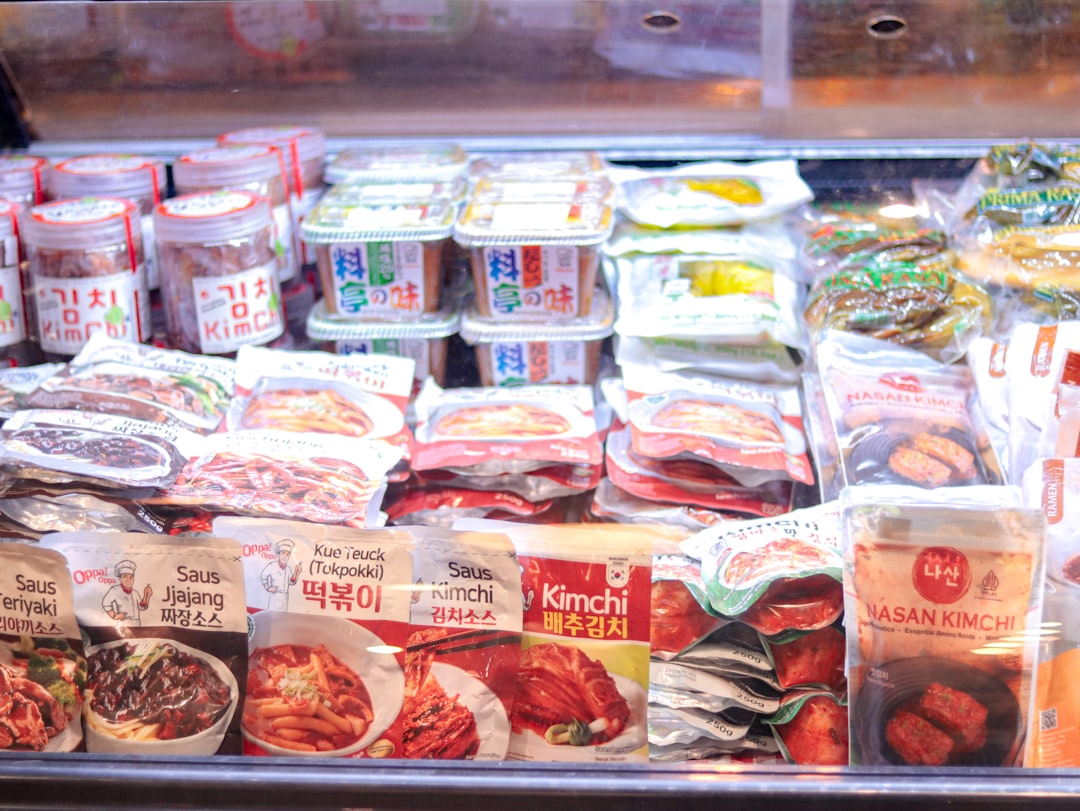
Amazon Fresh’s new low-price private-label lineup is built for shoppers who want value shopping without spending time hunting across aisles, apps, and weekly circulars. The key question is not whether an item is under $5; it is whether it is a genuine bargain after you account for size, ingredients, shelf life, and the cost of trading up when quality matters. That’s especially true in low-price groceries, where a cheap sticker price can hide a weak unit value or a product that fails after one use. This guide gives you a practical framework for evaluating Amazon Fresh private label items like a disciplined shopper, not a guesser.
Amazon’s grocery push matters because the brand is trying to win on both convenience and perceived value: products available online and in stores, most priced under $5 according to the launch framing covered by TechCrunch, and positioned as a fast option for routine pantry fill-ins. But low prices do not automatically equal low total cost, and that is where smart shoppers can save the most. The best approach is to treat every item like a mini purchase decision: compare unit pricing, inspect the ingredient list, estimate shelf life and usage rate, and decide whether a premium alternative will actually reduce waste. For a broader view on timing deals and knowing when to act, see our guide on spotting real deals before they disappear.
In practice, this means the right buy is often not the cheapest item on the shelf. It is the item that gives you the most usable meals, the least spoilage, and the fewest “I should have bought the better one” regrets. If you’ve ever bought a bargain sauce that tasted thin, stale cereal that went soft in two days, or a cleaning product that needed double the amount to work, you’ve experienced negative savings. The goal of this shopping guide is to help you avoid that trap with a clear, repeatable method that works for Amazon Fresh, other store brands, and everyday grocery comparisons.
1) What Amazon Fresh’s under-$5 strategy is really trying to do
How the price point shapes your choices
When a grocery brand leans heavily into products under $5, it is signaling that it wants to win on frequency: breakfast staples, pantry basics, snacks, and quick meal helpers. This matters because those categories are where shoppers feel inflation most acutely and where repeat purchases drive the most value. A price comparison is useful here, but the unit price is even more important than the shelf price because size differences can completely flip the value equation. A $3 item can be worse than a $4.75 item if the latter gives you far more grams, ounces, or servings.
Amazon Fresh’s under-$5 promise also helps create a mental shortcut: “cheap enough to try.” That can be useful, but it can also lead to impulse buying if you treat price alone as proof of value. The most disciplined shoppers use the low price as a filter, not the final decision. For a useful analogy, think of it like choosing the lowest-price cloud plan: if usage spikes, your “cheap” plan can become expensive fast, which is why frameworks like usage-based pricing analysis matter in other industries too.
The smartest way to use this strategy is to categorize items by risk. Low-risk items are things with simple ingredients, stable texture, and high substitutability, such as rice, canned beans, pasta, flour, basic crackers, or generic spices. High-risk items are those where texture, freshness, ingredient quality, or recipe balance matter more, such as yogurt, deli-style sauces, coffee, or prepared snacks. You can often save money on the low-risk group and trade up selectively on the high-risk group, rather than trying to buy the cheapest version of everything.
Where private label can beat national brands
Private label often wins when the product is formulaic and the brand premium is mostly marketing rather than performance. Think shelf-stable pantry staples, baking ingredients, household basics, and some frozen foods. The savings can be real if the formulation is simple and the supply chain is streamlined, similar to how smart manufacturing can lower waste and improve margins in other retail categories. In those cases, you may get near-identical utility for less money, especially if the product has a long shelf life and you consume it regularly.
Private label also tends to be attractive when you already use the item as a component rather than a centerpiece. For example, if you are buying broth for soup, salt for seasoning, or tomato paste for a sauce base, the quality gap may be smaller than with a ready-to-eat item. In other words, Amazon Fresh’s under-$5 line is most likely to deliver value where the item’s role is functional, not emotional. That’s an important distinction because consumers often overpay for emotional categories and underthink functional ones.
Still, private label is not a universal win. If the item’s taste, aroma, crunch, or protein structure drives whether your household will actually eat it, the cheapest option can become a false economy. The same logic appears in many purchase decisions, including grocery, electronics, and services: low sticker price does not guarantee low lifetime cost. For another example of evaluating a “good deal” beyond the headline number, see when to buy, when to wait, and how to stack savings.
2) A shopper’s framework: the four checks that separate bargains from duds
Check 1: Unit price, not shelf price
Unit price is your anchor because it normalizes different package sizes into the same comparison language. If one pasta box is 12 ounces for $1.99 and another is 16 ounces for $2.49, the bigger box is likely the better buy even though it costs more upfront. That simple math is often where shoppers lose money, especially on under-$5 items that look cheap enough to skip analysis. If you want a structured method, think of it like an audit process: identify the comparable measure, normalize the numbers, then make the decision based on the normalized figure, not the headline price.
Quick formula: unit price = shelf price ÷ number of ounces, grams, counts, or servings. If the item is food, ounces or grams are usually the best measure; if it is paper goods or wipes, count plus sheet size may matter; if it is a pantry item with a mixed use pattern, servings may help but should be cross-checked against ingredient quality. A product with a slightly higher unit price can still be better if it reduces waste or gives you a more versatile ingredient profile. The best shoppers use unit price as the first filter, then move to the next two checks before buying.
Check 2: Ingredient list and formulation quality
For food, ingredients tell you whether the product is simple, padded with fillers, or engineered to hit a low price point. A bargain oatmeal with one ingredient is usually a better bet than a heavily sweetened cereal with multiple syrups and flavoring agents. The same is true for sauces, soups, snack bars, and frozen meals: shorter, clearer ingredient lists are often easier to trust. For a broader nutrition lens, our guide on smart ways to use pantry powders shows how formulation details affect real-world value.
Read the ingredient list for three things: the first three ingredients, sweeteners or oils, and any additives that signal a tradeoff in texture or shelf stability. A product can be cheap because it uses less expensive starches, more water, or lower-cost oils that don’t match your needs. That does not make it bad automatically, but it does mean you should ask whether the product still works for your meal plan. If you are buying for kids, allergy-sensitive eaters, or meal prep, ingredient transparency matters even more.
Check 3: Shelf life and usage rate
Low-price groceries are only bargains if you use them before quality drops. A large bottle of sauce is cheap per ounce, but if you only use it once a month, it may spoil before you finish it. The same problem happens with baked goods, specialty condiments, and certain snacks that lose texture quickly after opening. For a practical model, estimate how fast your household consumes the item and compare it to the product’s open-life and pantry life.
Rule of thumb: the shorter the shelf life and the more specific the product, the more cautious you should be with bargain sizes. This is where trade-ups can save money overall. Paying more for a smaller, better-quality item can reduce waste if your household won’t finish the cheap large pack in time. That same “don’t overbuy just because it is cheap” logic appears in other budget planning contexts, including budgeting for recurring essential costs.
Check 4: Cost per usable meal, not cost per package
This is the most important lens for value shopping. A bag of shredded cheese may look like a deal until you realize half of it hardens in the fridge because you don’t use it quickly enough. A better-quality block cheese may cost more but last longer and deliver better melt, meaning fewer spoiled leftovers and better results. That is why experienced shoppers think in terms of “usable meals” rather than “price tags.”
If you cook at home a lot, one cheap ingredient can support multiple meals. If it only works in one specific recipe, the savings may be less meaningful. To sharpen your decision-making, borrow the same disciplined approach used in maintenance prioritization frameworks: spend where failure is expensive and economize where failure is easy to absorb. In grocery terms, that means buying up on high-impact ingredients and economizing on low-impact ones.
3) A simple math model you can use in the aisle
Step-by-step unit-price comparison
Here is a fast in-store method you can use without a calculator app obsession. First, compare package size and shelf price to see which item has the lowest cost per ounce, gram, or count. Second, eliminate products with ingredient red flags if you care about health, taste, or allergen risk. Third, estimate how many meals the item will realistically support in your household. This three-step method keeps you from buying “cheap but wrong.”
Example: imagine two Amazon Fresh pasta sauces under $5. One is $2.99 for 24 ounces, the other is $4.49 for 32 ounces. The larger jar may have the lower unit price, but if your family prefers the first jar’s ingredient profile, the better value may still be the smaller one because it gets used fully and enjoyed. If your household only likes one sauce, a cheaper but unused jar is not a bargain. That is why value shopping is not just arithmetic; it is behavioral economics.
When the cheapest option is actually costlier
The cheap item becomes costlier when it forces a second purchase, a replacement, or a meal reset. Think of a low-quality bread that molds before you finish it, a bland soup base that needs extra seasonings, or a snack that your family avoids after one try. The hidden costs include wasted food, extra ingredients, and time spent trying to “fix” a weak product. That’s the grocery equivalent of a service with a low base fee but poor performance.
To estimate hidden cost, ask four questions: Will I finish it? Will I need to doctor it? Will it store well after opening? Will it replace something I would otherwise buy anyway? If the answer to any of those is “probably not,” then the product may be a false bargain. For a related mindset on separating true value from marketing, see No as we avoid bad links and instead point you to lessons from best-bang-for-your-buck deal analysis, where normalization beats hype.
A practical benchmark table for under-$5 grocery picks
| Product type | Usually worth buying under $5? | What to check first | Common dud signal | Trade-up trigger |
|---|---|---|---|---|
| Dry pasta | Yes | Ounces per dollar, ingredient simplicity | Very small box or no durable shape | If you need better sauce grip or specialty flour |
| Rice and grains | Yes | Unit price, grain type, cook time | Broken grains, poor yield | If texture matters for meals or meal prep |
| Snack bars | Maybe | Protein, sugar, serving size | Mostly sugar or tiny bars | If it’s a meal replacement, not a snack |
| Tomato sauce | Often | Ingredients, sodium, jar size | Watery texture or added sweetness | If you want restaurant-style flavor |
| Frozen vegetables | Yes | Weight, mix quality, added sauce | Ice-heavy bag, mushy mix | If you need premium texture for roasting |
| Peanut butter | Usually | Peanuts vs fillers, sugar, oil separation | Too much sugar or palm oil | If you want higher protein or better taste |
4) Product quality signals that are easy to miss
Ingredients are only the beginning
Ingredient lists tell you what is inside, but not always how the product behaves in your kitchen. For example, two similarly priced soups can differ widely in salt level, density, and aftertaste. Two snack items with similar calories can feel completely different in satiety because one is more protein-dense and the other is mostly refined starch. This is why seasoned shoppers combine label reading with a mental test of how the item will actually be used.
Packaging also gives clues. Thin plastic, poor seals, or packaging that suggests a lot of air relative to product volume can indicate lower-value design. Sometimes that’s acceptable for an ultra-cheap item, but it should at least make you pause. The best deals often look simple and efficient, not artificially “premium” or overly engineered.
Texture, density, and “performance” matter
Food quality is more than flavor. Texture determines whether pasta holds sauce, whether yogurt feels satisfying, and whether frozen vegetables roast instead of steam into mush. In budget shopping, lower quality often shows up as excess water, weak structure, or blandness that makes you overcompensate with other ingredients. That can silently raise the true cost of the meal.
Use a simple performance test: if this product needs another ingredient to be good, how expensive is that extra ingredient? If a cheap salsa requires fresh lime, extra onions, and seasoning to taste right, the lower sticker price may be misleading. Conversely, a slightly more expensive item that is good out of the package can save time and reduce add-ons. That principle is useful across consumer categories, including how shoppers evaluate sale timing on higher-ticket purchases where the best deal is the one that avoids regret.
Look for consistency across lots and sizes
Private label is most valuable when quality is consistent. A strong bargain today that varies wildly next week is not truly dependable, especially if you are building a weekly grocery routine. As a shopper, consistency matters because repeated purchases are where real savings accumulate. That’s why the best store-brand wins are boring in the best possible way: they behave predictably, taste the same each time, and fit into your routine.
If you notice that one package size is excellent and another is mediocre, that can reveal where the value line is strongest. It may also show you which formulations are better suited for specific uses, such as cooking versus snacking. Over time, this kind of observation creates your own household benchmark, much like a business builds an internal playbook from repeated wins. For a similar concept in a different context, see turning experience into reusable playbooks.
5) When to trade up for quality and still save money overall
Trade up when waste is the likely outcome
The best place to spend a little more is on products where low quality leads to waste. Fresh bread, dairy, coffee, produce, and prepared items are common examples. If the bargain version goes stale, tastes off, or goes uneaten, the savings disappear quickly. In those cases, a better brand or a higher-quality Amazon Fresh alternative may reduce total household spending.
Trade-up decisions are easiest when the item affects several meals. Coffee is a good example: a slightly better grind or roast can improve every cup, while a cheap jar that sits unused is pure waste. The same is true for staple condiments and spreads. If your family consumes it often, the quality premium is amortized over many uses, making the per-use cost smaller than it first appears.
Trade up when ingredients are doing heavy lifting
Some products are cheap because they rely on low-cost fillers that don’t help the dish much. If you are making a meal where the ingredient has to shine — say, pasta sauce, broth, hummus, or salad dressing — the premium version may save money by reducing the need for extra seasoning or side purchases. This is a classic “buy quality once, avoid correction costs later” decision. It is a useful mindset for households with tight budgets because it stops the cycle of buying cheap items and then “rescues” them with more expensive add-ons.
This is also where ingredient clarity becomes a savings tool. Shorter ingredient lists are easier to trust, but not every short list is superior. You still need to judge whether the formulation matches your intended use. For example, a low-price product with fewer ingredients may be great for basic cooking, while a more premium version is worth it if you want better texture, less sugar, or more protein per serving.
Trade up when the item is a habit, not a one-off
If you buy the item every week, the quality difference compounds. A one-time indulgence may not matter much, but a bad staple can shape your food experience for months. In those cases, a premium choice can be a budget decision because it improves adherence to meal plans, reduces takeout temptation, and prevents food boredom. That is a form of savings most shoppers underestimate.
Think of it as protecting future spending. A better yogurt might keep breakfast routines intact, a better bread might reduce lunch waste, and a better frozen entrée might prevent a midweek delivery order. When the item supports consistency, trade-up value is high. When it is just an occasional add-on, the under-$5 version is more likely to be enough.
6) How to build a repeatable Amazon Fresh shopping system
Create a household shortlist
The easiest way to save money consistently is to create a small “approved list” of items you trust. That list should include products you’ve already tested, compared, and found worth repeating. Start with pantry staples, then add snacks, frozen items, and household goods if they meet your unit-price and quality standards. This approach reduces decision fatigue and keeps you from re-litigating every purchase.
It also helps you identify categories where Amazon Fresh’s under-$5 line is naturally strong and where it is not. Your list may say “yes” to pasta, beans, canned tomatoes, and rice but “no” to bread, yogurt, and specialty sauces. That pattern is normal. The win is not buying everything cheap; the win is buying the right things cheap and paying up where it matters.
Use the pantry as your inventory system
Good budget shopping starts at home, not in the app. Before adding items to cart, check what you already have and what will expire soon. That simple inventory habit prevents duplicate buying and helps you choose products that finish old ingredients instead of creating new leftovers. It also keeps you from overestimating how much of a bargain you need in the moment.
For households juggling multiple schedules, this works like a lightweight operations system. You are matching incoming items to upcoming meals, which reduces spoilage and improves throughput. If you want a different kind of workflow discipline, you can borrow ideas from OCR-based document structuring and simply apply the same logic to receipts, pantry photos, and shopping lists: capture, categorize, compare, decide.
Set a trade-up threshold
Decide in advance which categories deserve a premium. For example, you might say: if an item is eaten daily, if it is highly perishable, or if it is a main flavor component, I will spend more for better quality. This prevents emotional overspending while still allowing strategic upgrades. A threshold keeps your budget disciplined because you are not reacting to every attractive label in the aisle.
This is the grocery equivalent of a maintenance budget: you do not wait until the ceiling leaks to decide whether to fix the roof. You prioritize where performance matters most. For a practical framework on that idea, see where to spend when budgets shrink.
7) Real-world examples: what to buy under $5, what to skip, and why
Usually good bets
Simple pantry items are the most reliable under-$5 buys because their value is easy to measure and the ingredient quality gap is often small. Dry pasta, rice, canned beans, canned tomatoes, oats, flour, and basic spices are often strong candidates if the unit price is competitive. Frozen vegetables can also be excellent if the package has minimal ice and a good vegetable-to-weight ratio. These are the items where you can often save meaningfully without sacrificing much.
Another promising category is basic cooking support: broth, vinegar, mustard, and simple condiments. If the formulation is straightforward, a private-label version can perform nearly as well as the branded option. That makes these items ideal for shoppers trying to stretch a weekly budget without changing recipes dramatically. The best private label wins are the ones your family barely notices.
Conditional buys
Snack bars, crackers, cereal, and sauces are conditionally good because taste, texture, and satiety vary widely. Here, the bargain may be real if the product aligns with your preferences and portion needs. But because these are highly visible quality categories, a cheaper item can disappoint quickly. Always read the label, compare servings, and consider whether the item will be eaten straight from the package or used as an ingredient.
These products are also where household preferences matter most. If your family is highly sensitive to sweetness, salt, or crunch, a slightly pricier item may actually deliver better value by being fully consumed. That is why the cheapest package is not always the cheapest outcome. For more context on value-oriented product evaluation, see budget-friendly decorating tips, where presentation versus substance is a similar trade-off.
Common skip categories
Highly perishable prepared foods, bread with short shelf life, and items that depend on freshness for quality are the most likely to become duds. They can still be worth buying, but only if you are confident you will consume them quickly. If your household has irregular schedules or unpredictable meal plans, these are the first categories where a trade-up or smaller size is smart. The savings from a bargain can evaporate after one stale package.
Another category to be cautious about is anything that seems engineered to hit a low price by reducing actual product content. This can happen with small packs, excessive air, thin textures, or diluted formulations. Always compare the usable amount, not just the package count. In grocery, as in other markets, the best value often comes from transparent sizing and predictable performance.
8) Frequently asked questions about Amazon Fresh under-$5 items
How do I know if an Amazon Fresh private-label item is actually cheaper than a brand name?
Use unit price first, then compare ingredients and your household’s usage rate. A branded item can be the better deal if it has a larger size, fewer additives, or a longer shelf life that reduces waste. The cheapest shelf price is only a win if the item gets used fully and performs well in the meal you had in mind.
What ingredients should make me cautious about a low-price grocery item?
Watch for long lists dominated by added sugar, refined starches, cheap oils, or water-heavy formulations when you expected a concentrated product. None of these automatically make an item bad, but they often explain why the item is priced low. If the ingredient list suggests you will need to add more to make it taste good, the bargain may be weaker than it looks.
Is a bigger package always better value?
No. Bigger packages lower unit price only if you finish them before quality drops. For perishables and semi-perishables, the real cost includes spoilage, staleness, and the chance that the item gets ignored in your fridge or pantry. Bigger is only better when your consumption rate matches the size.
When should I trade up from the under-$5 line?
Trade up when the item is a daily staple, highly perishable, or central to taste and texture. If a low-quality version causes waste, extra add-ons, or meal dissatisfaction, paying more can save money over time. In those cases, quality is not a luxury; it is a way to protect your grocery budget.
What’s the fastest way to build a better grocery habit?
Create a shortlist of approved buys, compare unit prices, and keep a simple household inventory so you don’t overbuy. After a few shopping trips, you will learn which under-$5 items are reliable and which are false bargains. Over time, this becomes a repeatable system instead of a series of one-off guesses.
9) The bottom line: buy cheap where the product is simple, buy quality where the cost of failure is high
Amazon Fresh’s under-$5 line can absolutely be a source of real savings, but only if you shop with a framework. The winning formula is straightforward: compare unit prices, inspect ingredient lists, estimate shelf life, and think in terms of usable meals rather than package price. That is how you separate genuine bargains from items that merely look cheap. When you apply that lens, private label becomes a tool, not a gamble.
The broader lesson is that budget shopping is not about lowest price at any cost. It is about minimizing total spend while preserving taste, convenience, and household satisfaction. Sometimes that means choosing the under-$5 item. Sometimes it means trading up so you waste less and enjoy more. If you want to keep sharpening your grocery strategy, check out our guides on inventory messaging, budget retail resilience, and seasonal value signals to keep your next cart smarter than your last.
Pro Tip: The best “under $5” item is not the cheapest item in the aisle. It is the one with the lowest cost per usable meal after spoilage, add-ons, and disappointment are counted.
Related Reading
- How new meat waste rules impact local grocery listings and inventory messaging - Learn how inventory signals affect what shoppers actually see online.
- How $1 finds can reflect seasonal changes in agriculture - A smart lens for reading bargain pricing trends.
- What we can learn from Poundland’s restructuring - A look at discount retail economics and survival strategies.
- How to spot real travel deals before they disappear - Useful for timing-driven deal hunting beyond groceries.
- When to buy, when to wait, and how to stack savings - A disciplined framework for evaluating sale price versus real value.